




GM Unveils Electric Networked-Vehicles
The three EN-V models will be showcased from May 1 through October 31 at the SAIC-GM Pavilion at World Expo 2010 Shanghai.
General Motors and the Shanghai Automotive Industry Corp. (SAIC) Group introduced three Electric Networked-Vehicle (EN-V) models on March 24 in Shanghai. The EN-V is a two-seat electric vehicle that is designed to alleviate concerns surrounding traffic congestion, parking availability, air quality and affordability.
The three models represent three different characteristics that emphasize the enjoyable nature of future transportation: Jiao (Pride), Miao (Magic) and Xiao (Laugh). The concepts will be showcased from May 1 through October 31 at the SAIC-GM Pavilion at World Expo 2010 Shanghai.
"EN-V reinvents the automobile by creating a new vehicle DNA through the convergence of electrification and connectivity. It provides an ideal solution for urban mobility that enables future driving to be free from petroleum and emissions, free from congestion and accidents, and more fun and fashionable than ever before," said Kevin Wale, president and managing director of the GM China Group.
Breakthrough Technology
EN-V is propelled by electric motors in each of its two driving-mode wheels. The EN-V can carry two passengers and light cargo in a footprint that's about a third of a traditional vehicle. In addition, everything in EN-V is drive-by-wire, supporting its ability to operate autonomously or under manual control. The motors not only provide power for acceleration, but also bring the vehicle to a stop.
Power for the motors is provided by lithium-ion batteries that produce zero emissions. Recharging can occur from a conventional wall outlet using standard household power, allowing EN-V to travel at least 40 kilometers on a single charge. EN-V can also improve the efficiency of the public electric infrastructure since the vehicle can communicate with the electric grid to determine the best time to recharge based on overall usage.
By combining the Global Positioning System (GPS) with vehicle-to-vehicle communications and distance-sensing technologies, the EN-V concept can be driven both manually and autonomously.
Its autonomous operating capability offers the promise of reducing traffic congestion by allowing EN-V to automatically select the fastest route based on real-time traffic information. The concept also leverages wireless communications to enable a "social network" that can be used by drivers and occupants to communicate with friends or business associates while on the go.
The ability to communicate with other vehicles and with the infrastructure could dramatically reduce the number of vehicle accidents. Using vehicle-based sensor and camera systems, EN-V can "sense" what's around it, allowing the vehicle to react quickly to obstacles or changes in driving conditions. For example, if a pedestrian steps out in front of the vehicle, EN-V will decelerate to a slower and safer speed and stop sooner than today's vehicles.

Smaller, Smarter Design
The EN-V weighs less than 500 kilograms and is about 1.5 meters in length. Each EN-V has a unique design theme to showcase the flexibility of the propulsion platform. The design gives each EN-V its own personality, with a unique opening, elegant interior and innovative color, lighting and seat technology.
The body and canopy of EN-V are constructed from carbon fiber, custom-tinted Lexan and acrylic, materials that are more commonly used in race cars, military airplanes and spacecraft because of their strength and lightweight characteristics.
EN-V's compact size makes it ideal for use in densely populated cities thanks to its use of advanced safety and propulsion technologies.
"The future of how we move around in urban areas like Shanghai can combine the best of personal mobility and public transit. There is a better solution and it is called EN-V. It demonstrates that we have both the knowledge and the ability right now to create a way to move people that not only ensures a 'better city' but also offers people a 'better life,'" said Alan Taub, global vice president of GM research and development.
More Green Fleet
EV Charging Use Is Outpacing Infrastructure Growth
ChargePoint’s 2026 Charging Forward Report points to rising charger use, higher-powered charging, commercial vehicle electrification, and energy-management technology. Here’s what fleets should know.
Read More →
Merchants Fleet Reports 290M EV Miles as Fleets Navigate Changing Electrification Market
From millions in operating savings to hundreds of millions of EV miles, Merchants Fleet’s latest report reveals what’s working and what’s changing in fleet electrification.
Read More →
The EV Breakdown Nobody's Talking About: Why Most Electric Vehicle Roadside Calls Aren't Mechanical Failures
Here's why EV breakdowns are widely misunderstood.
Read More →
ChargePoint Now Available in Energy Pass
ChargePoint and additional planned charging network integrations were added to GM's Energy Pass.
Read More →
First Look: Slate Auto's Electric Fleet Pickup
Could an affordable, modular EV pickup make electrification more practical for fleets?
Read More →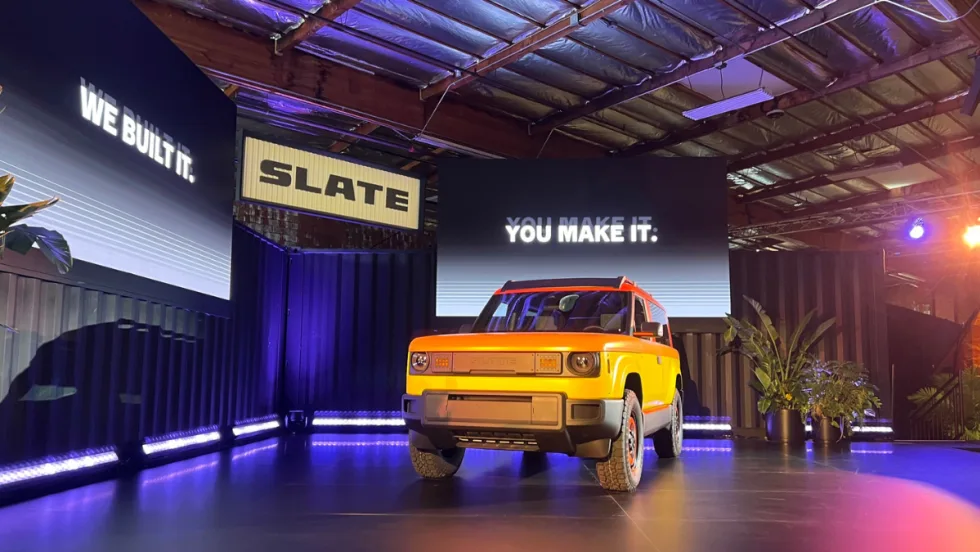
Slate Debuts Colorful, Unique EV Models
A recent media and client event, studded with electric vehicles dressed up on platforms, planted a new position for the manufacturer in the wider EV market. Fleets will find cost-saving advantages.
Read More →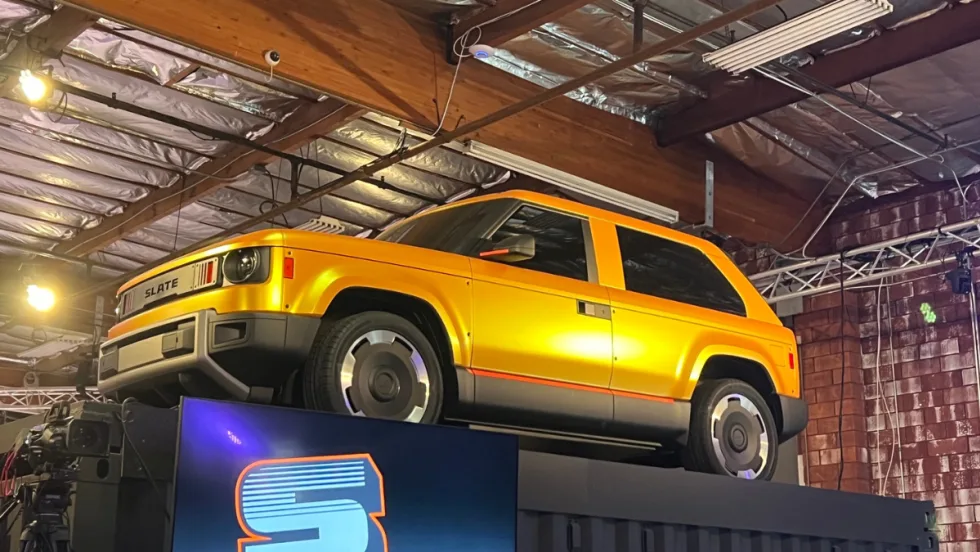
Slate Electric SUV, Pickup Switchable Model Aims For Light-Duty Fleets
Everything about this EV is counterintuitive and understated, making it stand out from the crowd.
Read More →
Inspiration Mobility Acquires Key Electrada Assets
Inspiration Mobility Group has acquired select assets of Electrada, adding the fleet electrification provider's team, technology, and charging infrastructure development capabilities to its energy management business.
Read More →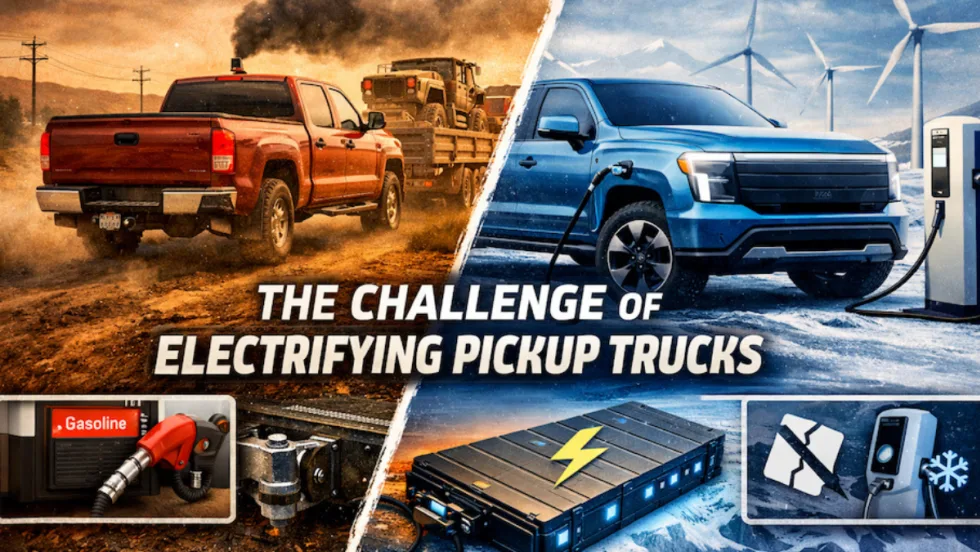
Why America’s Most Popular Vehicle is So Hard to Electrify
Turning America’s favorite workhorse electric means balancing range, payload, charging infrastructure, and price, an equation automakers are still trying to solve.
Read More →