




GM Makes Chevrolet Malibu More Fuel Efficient and Roomier for 2014
GM announced major updates to its Chevrolet Malibu for the 2014 model-year, including more interior space, a new 2.5L standard engine, new safety features, and suspension system improvements.
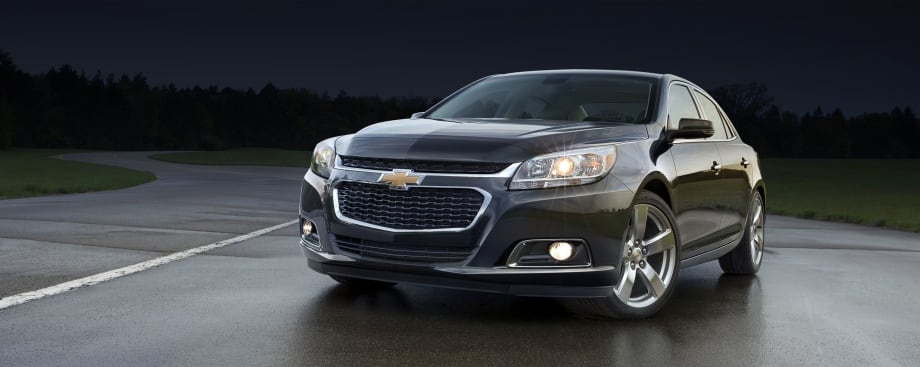
GM redesigned the Malibu's front end appearance for MY-2014. Photo courtesy GM.
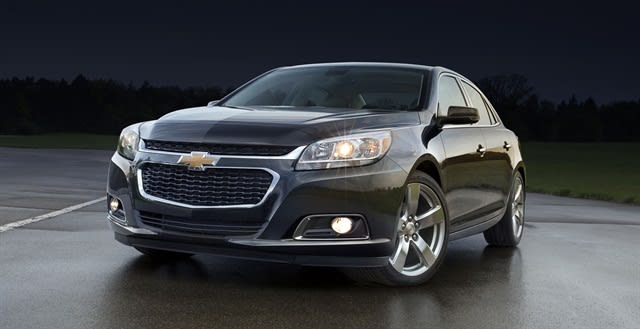
GM redesigned the Malibu's front end appearance for MY-2014. Photo courtesy GM.
GM announced major updates to its Chevrolet Malibu for the 2014 model-year, including more interior space, a new Ecotec* 2.5L standard engine, new safety features, and suspension system improvements.
You can see a photo gallery of the updated sedan here.
GM made a number of powertrain improvements for MY-2014. The automaker said the new Ecotec* 2.5L engine uses variable valve lift control and start/stop technology to boost the vehicle’s fuel economy over the previous model. GM estimates the vehicle can achieve up to 23 mpg city and 35 mpg highway, a 5% city mileage improvement and a 3% highway mileage increase. The new Ecotec* 2.5L engine is SAE-certified at 196 horsepower and 186 lb.-ft. of torque, according to GM. The automaker added it updated the transmission’s shift points for quicker shifting and an improved performance feel.
For the available 2.0L turbo* engine, GM improved its available torque, increasing this figure by 14% to an SAE-certified 295 lb.-ft. The engine can also deliver an SAE-certified 259 hp, GM stated.
The automaker also made a number of changes to the vehicle’s exterior and interior design. GM updated the sedan’s front end, with a more prominent lower grille and a hood that extends down over the leading edge of the upper grille, which is now narrower.
Inside the sedan, the automaker redesigned the front seatbacks to add more knee room in the back seats and changed the cushion sculpting and material to let passengers in the back sit deeper in the rear seats. The automaker said it cut a half inch from the rear seat cushion’s front for more comfort behind passengers’ legs. Up front, GM’s engineers redesigned the center console with a longer armrest and added two cupholders and storage space for up to two cell phones.
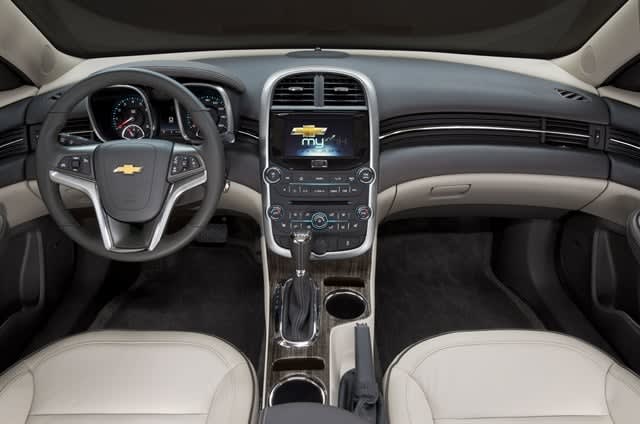
Inside, the automaker redesigned the Malibu's center console and added cupholders and space for two cell phones for 2014. Photo courtesy GM.
Another major update to the 2014 Malibu was to its suspension and chassis. The automaker said the 2014 Chevrolet Impala inspired these updates, which include rebound springs internal to the struts that help produce a smoother ride and improve body roll control and weight transfer during acceleration or turning. The automaker said it revised the electric power rack-and-pinion variable-effort steering to improve the sedan’s steering feel.
GM added new safety features to the 2014 Chevrolet Malibu. They include a new Side Blind Zone Alert and Rear Cross Traffic Alert options. The 2014 Malibu comes standard with 10 airbags and a rear-view camera system is optional.
*UPDATED June 6, 2013.
More Operations

What Will Shape the Next Era of Fleet Management?
EVs, AI, and autonomous vehicles are reshaping fleet management. Discover what’s ahead—and how fleet leaders can prepare for the next era.
Read More →
How Fleets Can Recruit and Train Veterans for Technician Roles
Here's how the technician shortage has affected uptime for fleets, and what to do about it.
Read More →
Avis Budget Group Deploys Neology Toll Management Technology Across Major Brands
Neology’s neoFleet platform will manage toll transactions and toll-authority operations for vehicles across Avis, Budget, Payless, Budget Truck and Zipcar.
Read More →

Fleet Personal-Use Charges Edge Higher in 2026
Nearly eight in 10 surveyed fleets allow personal use of company vehicles, while just over half of respondents report charging employees for the privilege.
Read More →
The Future of Fleet + What’s Changing Right Now | AF News Recap
Could developments overseas offer a preview of what’s coming for U.S. fleets? This week, we’re looking at the future of AI, autonomy, and electrification, plus Ford Pro’s new certified pre-owned program, smarter vehicle offboarding, and a new way for fleets to manage toll expenses.
Read More →
How to Handle Vehicle Offboarding
What do fleet managers need to do when a driver leaves?
Read More →
Fleet Manager’s Ultimate Playbook: Navigating the New Standard in OEM Connectivity
Rising operating costs, driver safety concerns, and unplanned downtime are putting unprecedented pressure on modern fleets. Discover how fleet managers use embedded OEM connectivity and real-time vehicle data to cut TCO, prevent downtime, and protect drivers without aftermarket telematics hardware.
Read More →
U.S. Bank Adds Verra Mobility Toll Management to Voyager Fleet Platform
The integration allows U.S. Bank Voyager fleet customers to manage toll payments and violations alongside fuel, EV charging and maintenance expenses.
Read More →
ADAS Prevents Crashes. But Repairs Cost More | AF News Recap
ADAS-equipped vehicles may crash less often, but they can cost more when they do. This week, we’re breaking down what that tradeoff means for fleets, plus Subaru’s first Forester Wilderness Hybrid, Nissan’s new e-POWER Rogue, and why Calstart has become Catalyst Mobility.
Read More →
Moventum Fleet Management Names Mark Iorillo Head of Sales
Iorillo brings nearly 20 years of fleet management and sales experience to the role, including previous positions at Element Fleet Management, CEI, Donlen and Ryder.
Read More →