





Automated Driving Systems Get Poor Marks in New Ratings System
GM Kills Cruise Robotaxi Service, Opts to Advance Super Cruise
GM revamps its autonomous strategy, integrating Cruise with GM teams to streamline development, cut costs by $1B annually, and scale AV tech for fleets and consumers.
December 16, 2024
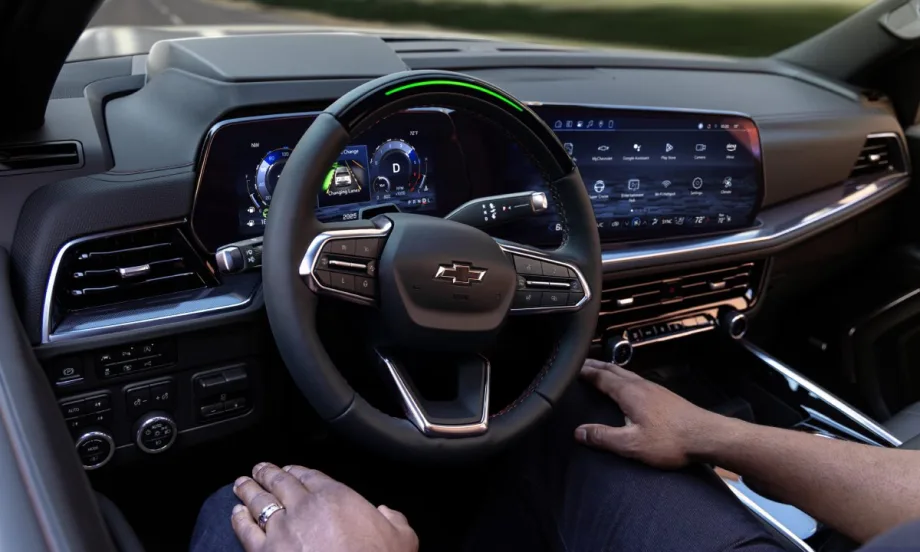
A driver activating Super Cruise on the 2025 Chevrolet Tahoe RST, which allows them to take their hands off the steering wheel and eyes off the road in certain conditions.
Photo: General Motors
3 min to read
General Motors plans to realign its autonomous driving strategy and prioritize the development of advanced driver assistance systems on a path to fully autonomous personal vehicles.
GM will build on the progress of Super Cruise, which is now offered on more than 20 GM vehicle models and currently logs over 10 million miles per month.
GM intends to combine the majority-owned Cruise LLC and GM technical teams into a single effort to advance autonomous and assisted driving. Consistent with GM’s capital allocation priorities, GM will no longer fund Cruise’s robotaxi development work.
“GM is committed to delivering the best driving experiences to our customers in a disciplined and capital-efficient manner,” Mary Barra, chair and CEO of GM, said. “Cruise has been an early innovator in autonomy, and the deeper integration of our teams, paired with GM’s strong brands, scale, and manufacturing strength, will help advance our vision for the future of transportation.”
Barra also explained in a mass business call alongside David Richardson, senior vice president of software and services engineering, and Paul Jacobson, executive vice president and CFO, that this approach would allow the company to leverage the strengths of GM Cruise while simplifying and accelerating the path forward.
Given that considerable time and expense are required to scale a Robotaxi business, according to Barra, combining forces would be more efficient and consistent with GM’s capital allocation priority.
“We know people everywhere love to drive their own vehicles, but not in every situation, so it makes sense to develop autonomous technology for them,” Barra said.
GM’s Vision for Scalable Autonomous Vehicles
GM is steering toward a future of safer, smarter, and more accessible driving with a unified strategy to integrate advanced autonomous technology into millions of its vehicles, but how will they do it?
“As the largest U.S. automotive manufacturer, we’re fully committed to autonomous driving and excited to bring GM customers its benefits – things like enhanced safety, improved traffic flow, increased accessibility, and reduced driver stress,” Richardson said.
Richardson explained that Cruise has been part of this new wave of technology, where traditional modular AI systems built with hand-wired custom logic are being replaced by foundation models, for example.
“Our goal at GM is to bring AV technology safely into millions of GM vehicles, and the best way to do this is with a singular strategy that prioritizes the incremental delivery of autonomous capabilities,” Richardson said.
The team plans first to leverage Super Cruise to expand GM L3, a Level 3 automated driving system allowing drivers to take their hands off the steering wheel and eyes off the road in certain conditions, eventually offering fully autonomous personal vehicles.
Richardson confirmed that this would be best achieved with a focused effort from the GM and Cruise engineering teams without the complexity of building and operating a robotaxi business.
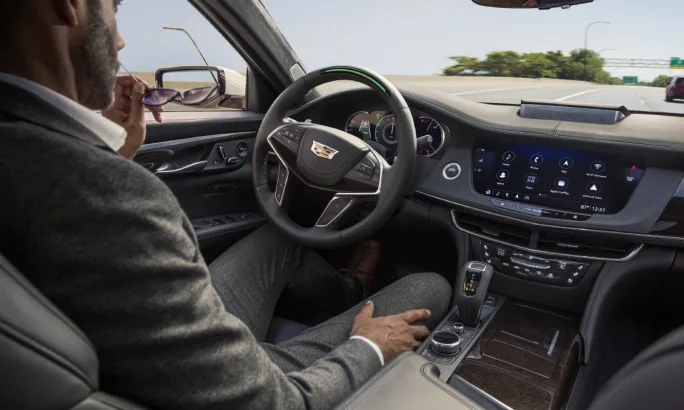
A driver activating Super Cruise on the 2019 Cadillac CT6. General Motors launched Super Cruise in 2017.
Photo: General Motors
GM’s Strategy to Overhaul Cruise for Long-Term Success
GM attempted to strategize and engage with potential investors to potentially restructure, but Jacobson noted that none of the options seemed to serve the best interest of the business and its shareholders.
Especially since, according to Jacobson, launching and operating the robotaxi business was expected to require a significant amount of incremental time and capital beyond the “$10 billion we have already invested.”
GM owns about 90% of Cruise and has agreements with other shareholders that will raise its ownership to more than 97%, and the company anticipates purchasing the remaining shares by early 2025.
Contingent upon the repurchase of these shares and Cruise board approval, GM will work with the Cruise leadership team to restructure and refocus Cruise’s operations. GM expects the restructuring to lower spending by more than $1 billion annually after the proposed plan is completed, which is expected in the first half of 2025.
“We plan to share more information during our Q4 earnings call in January and provide further details on the first half of the year once the Cruise’s restructuring is finalized,” Jacobson said.
More Operations
Here's When You Should Make an Exception to Fleet Policy
Fleet policies are designed to create consistency, but not every driver or situation fits neatly within standard rules.
Read More →
AI-Native or AI-Acquired: What Should Fleet Managers Look for in an AI Platform?
Six questions can help fleet managers look beyond AI marketing claims to evaluate integration, data access, and real-world operational performance.
Read More →
Sponsored•October 14, 2026
A buyer's guide to fleet management software in 2027
Buying fleet management software in 2027 means looking beyond features and price. As fleet operations, technology and expectations evolve, this guide explores what today’s fleet professionals should consider when choosing a system that can deliver value now and adapt to what comes next.
Read More →

What Will Shape the Next Era of Fleet Management?
EVs, AI, and autonomous vehicles are reshaping fleet management. Discover what’s ahead—and how fleet leaders can prepare for the next era.
Read More →
How Fleets Can Recruit and Train Veterans for Technician Roles
Here's how the technician shortage has affected uptime for fleets, and what to do about it.
Read More →
Avis Budget Group Deploys Neology Toll Management Technology Across Major Brands
Neology’s neoFleet platform will manage toll transactions and toll-authority operations for vehicles across Avis, Budget, Payless, Budget Truck and Zipcar.
Read More →
Fleet Personal-Use Charges Edge Higher in 2026
Nearly eight in 10 surveyed fleets allow personal use of company vehicles, while just over half of respondents report charging employees for the privilege.
Read More →
The Future of Fleet + What’s Changing Right Now | AF News Recap
Could developments overseas offer a preview of what’s coming for U.S. fleets? This week, we’re looking at the future of AI, autonomy, and electrification, plus Ford Pro’s new certified pre-owned program, smarter vehicle offboarding, and a new way for fleets to manage toll expenses.
Read More →
How to Handle Vehicle Offboarding
What do fleet managers need to do when a driver leaves?
Read More →
Sponsored•October 1, 2026
Fleet Manager’s Ultimate Playbook: Navigating the New Standard in OEM Connectivity
Rising operating costs, driver safety concerns, and unplanned downtime are putting unprecedented pressure on modern fleets. Discover how fleet managers use embedded OEM connectivity and real-time vehicle data to cut TCO, prevent downtime, and protect drivers without aftermarket telematics hardware.
Read More →