Related:
AMAFA to Unveil Fleet Certification Program at LatAm Fleet Congress
Geotab Launches Fleet Electrification Knowledge Center
 MENU
MENU SEARCH
Global Fleet Management Board members explored the European Certification for Sustainable Corporate Mobility program as well as issues around fleet electrification, including lifecycle, safety, battery conditions and remarketing.
[EMPTY CREDIT]
The Global Fleet Management Board (GFAB) met just prior to Christmas to discuss the latest fleet trends, including certification programs for mobility management as the fleet manager role continues to evolve from one of asset management to mobility management provider.
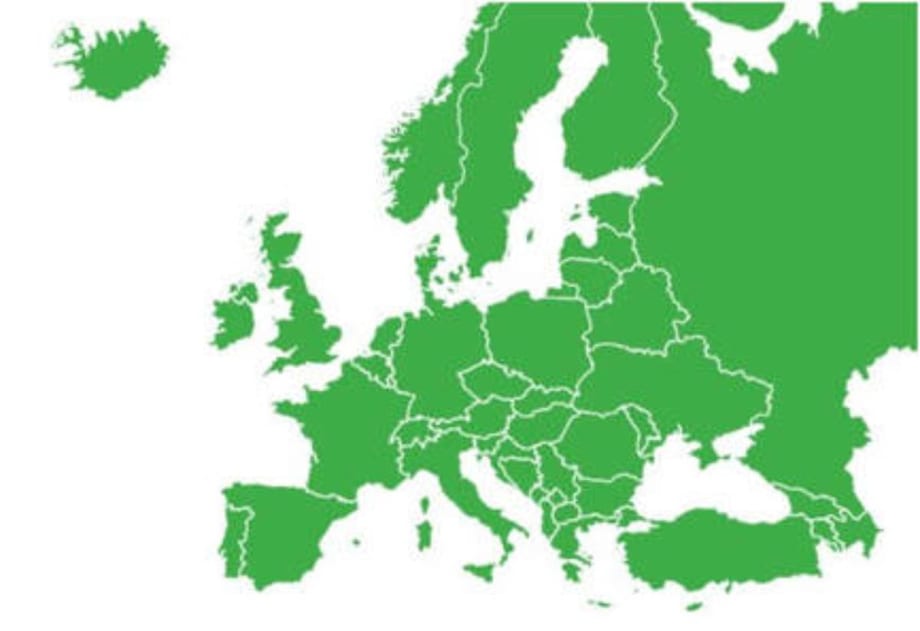
Axel Schäfer, spokesperson for the Fleet And Mobility Management Federation Europe (FMFE), a network of European fleet and mobility management associations, said the organization provided fleet certification for mobility.
Called the European Certification for Sustainable Corporate Mobility (ECSM), the program is aimed at companies that promote the improvement of corporate mobility towards greater sustainability - with a special focus on reducing pollutant emissions not only in terms of vehicles on fleet, but at mobility as a whole.
Axel said certification was available in every country in Europe according to a uniform European standard. Companies operating across Europe can use the standard for each country and consolidate the overall result.
The certification program is conducted by online questionnaire and telephone with continual evaluation of goals set and targets achieved over time. Among the points analyzed are:
The corporate mobility strategy.
Engagement of clients and suppliers.
The composition of the corporate fleet.
Commuting mobility provision.
Mark Peabody, global fleet manager at 3M, said, “I’m curious to learn more about it and there will be a time when it’s right for us.”
Mike Sims, managing a fleet of 10,000 vehicles across 142 countries for the The Church of Jesus Christ of Latter-Day Saints also thought the certification would be ideal for his European operations.
Mace Hartley, executive director of the Australasian Fleet Management Association added that certification would also go down well in Australasia.
Electrification was the number one discussed trend for 2023.
Jonathan Kamanns, associate director of fleet & driver safety at Boehringer Ingelheim, said the company was going for EVs, but questions marks still hung over supply and costs. “However, the business case is much stronger than before as price parity comes around,” he added.
Discussion then ranged over how long EVs should be kept on fleet, whether electrification changed operational dynamics, and what happens to EVs at the end of the fleet lifecycle.
Mace Hartley wondered what safety issues arose if kept EVs were kept over an eight-year cycle. Jim Petrillo, fleet manager at Fuji, questioned the effect on drivers if they kept a vehicle for eight years. “Also, come replacement time, prices have gone up - so what do you give them? A small vehicle? A stripped-out car? There’s a lot up in the air.”
Meanwhile, Lorna McAtear, fleet manager at National Grid, said the challenge was pushing cars into the secondhand market and how they should be priced.
“What's the state of the battery? Is it a low-mileage car that’s been rapid-charged all the time, or a high-mileage vehicle that’s been carefully charged?”
Facilitator and Global Fleet Management editor Mike Antich inquired if anyone knew how to determine EV health. “So how do you test a battery and get a condition report?” he asked.
The problem, it appeared, was of OEMs holding onto information about battery condition, and telematics companies having trouble accessing the data.
Javier Amozurrutia, founder of shared mobility solution company Mazmobi, added the problem had become so acute that one customer had removed elematics from the company’s EVs, while an insurance firm halted its electrification program because it couldn’t get the data.
Lorna McAtear added that getting telematic information out of an EV battery was difficult, including getting it in an understandable language. “We’re finding telemetry companies having to reverse engineer units because OEMs won’t release the information or don't know how to do it,” she added.
Global Fleet Management’s Ralph Morton added that a new trend in the UK was the secondary leasing of EVs, which had now become feasible because of the higher cost of leasing new EVs. ALD Automotive was leading the way with a ReLease program, while Lex Autolease was due to start a similar program soon.
Antich added that he believed used EV leasing would also get a foothold in the US market. “The early adopters have made their purchases, now you are reaching everyday people and the one way to mitigate fears over EV ownership issues is to have used vehicle leasing,” he said.
McAtear added she was placing staff in used EVs rather than a short-term rental ICE vehicle while they waited for a new car, “because they will save on the benefit in-kind taxation.”

Geofencing is a familiar fleet tool today, but its early adoption marked a major shift in vehicle tracking, route monitoring, and the debate over employee privacy.
Read More →
Holman is bringing its Mexican fleet management operation fully under its own brand after more than 30 years as a joint venture. The change gives multinational fleet customers a single Holman operation across the U.S., Canada, and Mexico.
Read More →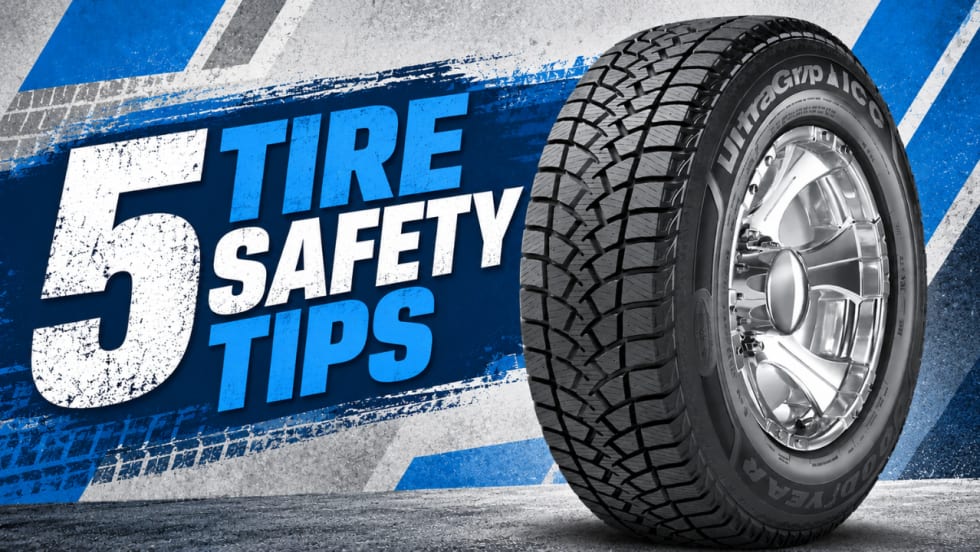
Regular tire checks can do more than extend tread life. These five maintenance practices can help work truck fleets catch problems early, reduce costs, and prevent downtime.
Read More →
The age-old problem of downtime will always be a reality, but with new strategies at hand, fleets have more ways to keep trucks on the road longer.
Read More →


Part Two: Commercial auto remains one of the most challenging and costly lines of coverage for fleet operators and insurers alike. Continue learning more about how to effectively address these issues from Onur Aksan, Enterprise Business Development Executive, Geotab
Read More →
Commercial auto remains one of the most challenging and costly lines of coverage for fleet operators and insurers alike. Learn more about how to effectively address these issues from Onur Aksan, Enterprise Business Development Executive, Geotab.
Read More →
Fleet leaders are under pressure to reduce costs, adapt to economic uncertainty, and make smarter decisions. See how peers across North America are responding with real data, proven strategies, and forward-looking insights. Download the 2026 Market Pulse Report to benchmark your strategy and uncover where you can gain an edge.
Read More →
Enterprise Mobility connects with mobility solutions around the globe
Read More →