




Geotab Introduces EV Battery Degradation Tool
Geotab has launched its Electric Vehicle Battery Degradation tool, a tool that offers a comparison and assessment of battery health in EVs over time.


Photo by Andy Lundin.
Geotab has launched its Electric Vehicle Battery Degradation tool, a tool that offers a comparison and assessment of battery health in EVs over time.
The tool, which the company announced at the Geotab Connect 2020 event, uses data collected from 6,400 vehicles across 64 makes, models, and years to showcase how real-world conditions influence battery health.
“Considering we are in the early stages of EV adoption, the health of the battery has been a top concern for fleet owners and individuals,” said Matt Stevens, VP electric vehicles at Geotab. “From a life-cycle perspective, battery health is key since it is the most expensive component in an EV and impacts vehicle range. With Geotab’s free EV Battery Degradation Tool, fleet operators, early EV adopters and those considering the purchase of an EV will have the information they need to make more informed driving, maintenance and buying decisions moving forward.”
In its analysis of the 6,400 vehicles, Geotab has found that if degradation rates remain constant, most batteries will outlast the usable life of a vehicle and go on to provide energy storage for many more years.
The company found that the average decline in energy storage is 2.3% every year. To put that into context, an EV with a 150-mile range will lose roughly 17 miles of accessible range after five years.
Geotab also found that not all batteries are created equal, as batteries with good thermal management show slower degradation, and battery-powered vehicles with bigger state-of-charge buffers result in a longer-lasting battery pack.
For fleets concerned that higher vehicle use will accelerate battery degradation, Geotab did not find a direct correlation to this claim.
One thing that does affect battery degradation is temperature, as vehicles driven in hot temperatures show a faster decline in battery health.
Charging an EV via DC fast charging also has a negative effect on degradation speed. However, there doesn’t appear much of a difference in battery health between Level 1 and Level 2 charging.
More Green Fleet
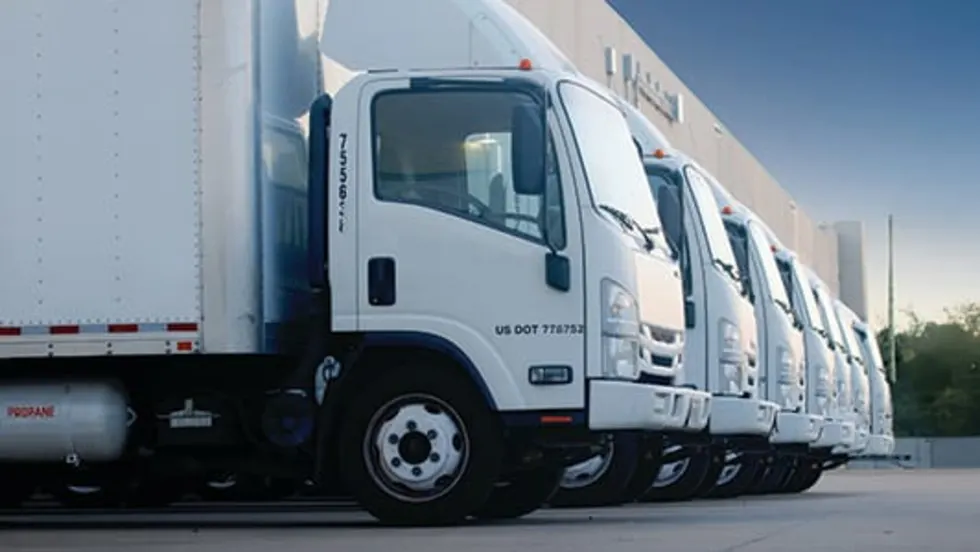
New Propane Autogas Program Offers Fleet Compensation
Qualified commercial fleets can receive $7,500 per eligible propane autogas vehicle and up to $10,000 for new refueling site prep. Learn how the program works and see whether your fleet qualifies.
Read More →
EV Charging Use Is Outpacing Infrastructure Growth
ChargePoint’s 2026 Charging Forward Report points to rising charger use, higher-powered charging, commercial vehicle electrification, and energy-management technology. Here’s what fleets should know.
Read More →
Merchants Fleet Reports 290M EV Miles as Fleets Navigate Changing Electrification Market
From millions in operating savings to hundreds of millions of EV miles, Merchants Fleet’s latest report reveals what’s working and what’s changing in fleet electrification.
Read More →
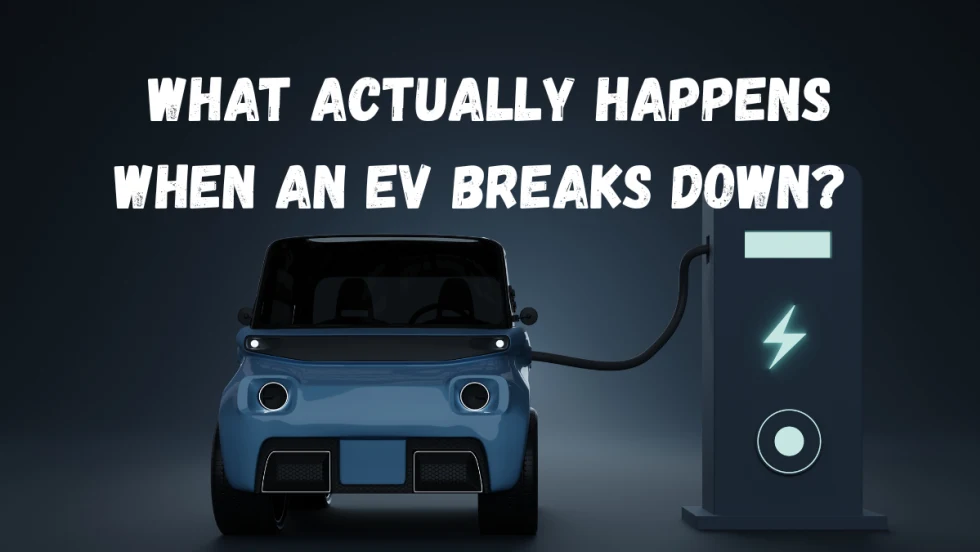
The EV Breakdown Nobody's Talking About: Why Most Electric Vehicle Roadside Calls Aren't Mechanical Failures
Here's why EV breakdowns are widely misunderstood.
Read More →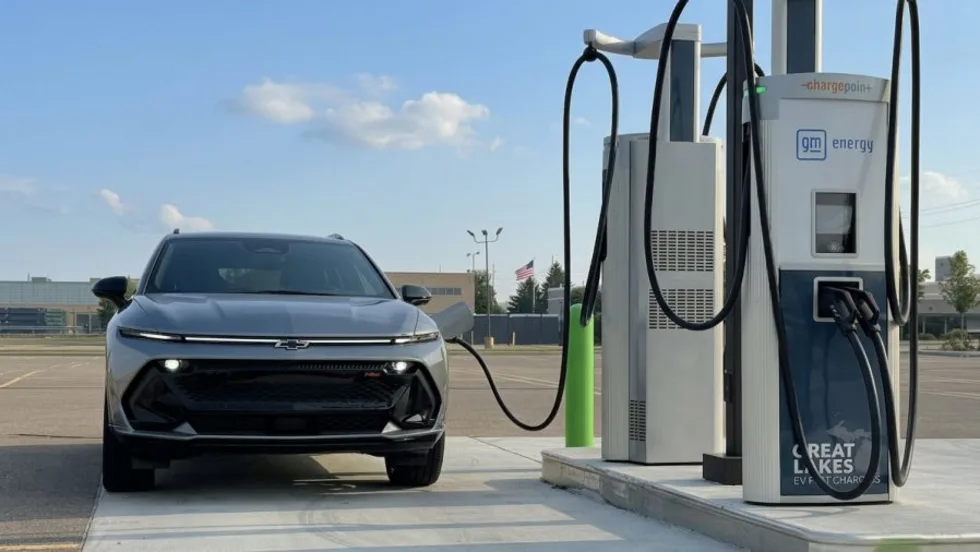
ChargePoint Now Available in Energy Pass
ChargePoint and additional planned charging network integrations were added to GM's Energy Pass.
Read More →

First Look: Slate Auto's Electric Fleet Pickup
Could an affordable, modular EV pickup make electrification more practical for fleets?
Read More →
Slate Debuts Colorful, Unique EV Models
A recent media and client event, studded with electric vehicles dressed up on platforms, planted a new position for the manufacturer in the wider EV market. Fleets will find cost-saving advantages.
Read More →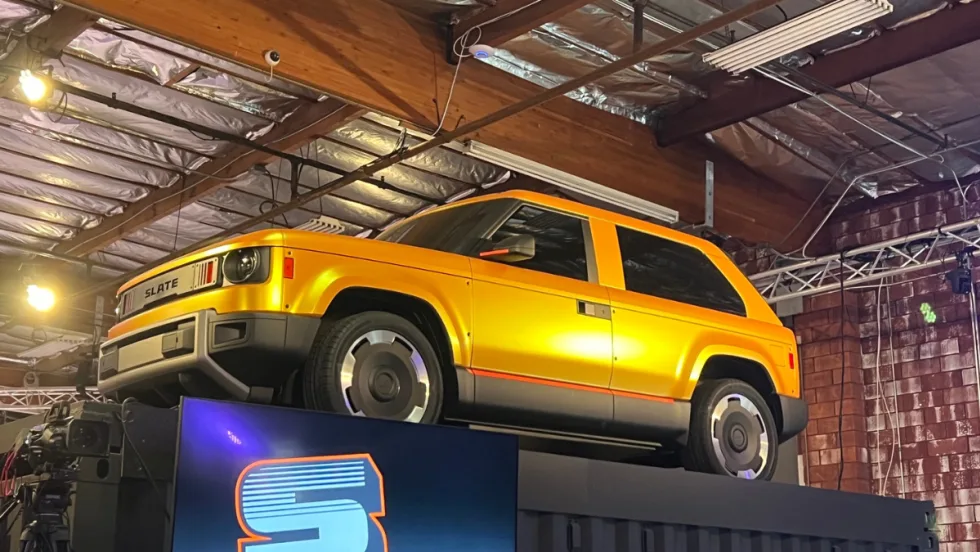
Slate Electric SUV, Pickup Switchable Model Aims For Light-Duty Fleets
Everything about this EV is counterintuitive and understated, making it stand out from the crowd.
Read More →
Inspiration Mobility Acquires Key Electrada Assets
Inspiration Mobility Group has acquired select assets of Electrada, adding the fleet electrification provider's team, technology, and charging infrastructure development capabilities to its energy management business.
Read More →