




Garbage Pickups Going Green
UNIVERSITY PLACE, WA - From energy-efficient light bulbs to houses using solar power; more companies are “going green” these days. Garbage companies are not about to be left behind.
UNIVERSITY PLACE, WA - From energy-efficient light bulbs to houses using solar power; more companies are “going green” these days. Garbage companies are not about to be left behind, reported in www.thenewstribune.com.
The latest entrant is University Place Refuse, which began using cleaner-burning biodiesel in its entire fleet of trucks that fill up with regular diesel. The switch is just the start, said general manager Roger Gruener. The company initially is using a mixture of 5 percent soybean biodiesel and 95 percent regular diesel. UP Refuse fills all 26 of the garbage, recycling and yard-waste trucks it runs every day with this mix.
Eventually, UP Refuse would like to move to a blend with 20 percent biodiesel, he said.
“The nature of our business is recycling, so going green made sense,” Gruener said.
The company’s management considered the switch for a couple of years, but it wasn’t sold on the reliability of biodiesel and its high price compared to the regular stuff.
But Gruener said quality has improved and prices now are only about 6 cents more per gallon than regular diesel. He said the change won’t affect the curbside pickup rate for customers.
UP Refuse – which also serves Fircrest – is part of a wave of municipalities and their contractors shifting to eco-friendly practices.
• In December, Federal Way announced it would spend about $50,000 to buy five hybrid vehicles.
• Pierce Transit’s entire fleet of buses runs on compressed natural gas, which reduces emissions by 90 percent compared to regular diesel, according to the agency’s Web site.
• The City of Tacoma has filled its garbage trucks with biodiesel for six years. Floyd Wilson, manager of Tacoma’s fleet, said all 65 garbage trucks are filled with a B20 mix – a blend of 20 percent biodiesel and 80 percent petroleum diesel.
In the summer months – when there’s less chance of biodiesel gelling or not functioning properly due to cold temperatures – the city sometimes uses a blend of about half biodiesel, he said. Wilson added that the cleaner diesel has never caused mechanical problems or failures on Tacoma’s trucks.
“I’d like to see us go 100 percent biodiesel if we could, but that’s probably not going to happen,” he said.
Harold LeMay Enterprises, one of three companies licensed by the state to collect garbage in Pierce County, doesn’t use biodiesel. But the company is looking at buying a pair of trucks this year that run on natural gas.
Doug LeMay, the vice president who oversees the fleet, says it has an even grander vision for helping the environment: Using methane fumes from its landfill in Graham and converting them to either liquid or compressed gas.
The plan would not only be good for the environment, but also would supply
LeMay garbage trucks with more than enough fuel, he said. The plan is only conceptual, LeMay said.
Environmental groups and others have long noted how diesel garbage trucks add to environmental problems. They spew more pollution than other large vehicles because they’re often older, less fuel-efficient and make frequent stops and starts in compact residential neighborhoods.
Converting sanitation trucks nationwide to alternative fuels would have a greater effect on air quality than converting all mass transit buses, said a 2003 report by Inform Inc., a national environmental research organization.
UP Refuse’s switch to B5 biodiesel might seem like a small hop compared to the leaps Tacoma and others have taken. Gruener acknowledges he’s not one to invest thousands of dollars into something that won’t return a decent profit.
But the choice was easy with biodiesel. He says the switch could prompt the company to study other ways to lessen its environmental impact.
“This is probably more of a kickoff to look at everything we do,” Gruener said
More Green Fleet

The EV Breakdown Nobody's Talking About: Why Most Electric Vehicle Roadside Calls Aren't Mechanical Failures
Here's why EV breakdowns are widely misunderstood.
Read More →
ChargePoint Now Available in Energy Pass
ChargePoint and additional planned charging network integrations were added to GM's Energy Pass.
Read More →

First Look: Slate Auto's Electric Fleet Pickup
Could an affordable, modular EV pickup make electrification more practical for fleets?
Read More →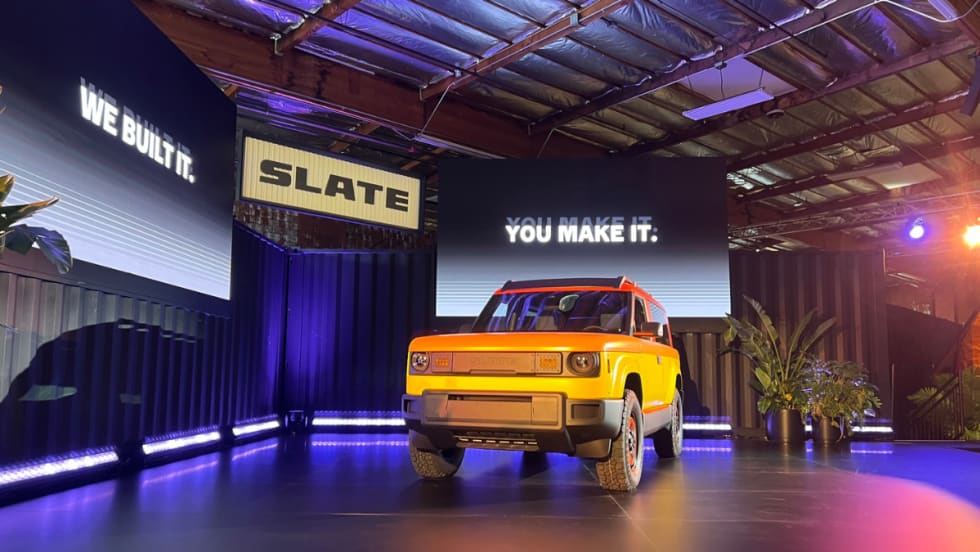
Slate Debuts Colorful, Unique EV Models
A recent media and client event, studded with electric vehicles dressed up on platforms, planted a new position for the manufacturer in the wider EV market. Fleets will find cost-saving advantages.
Read More →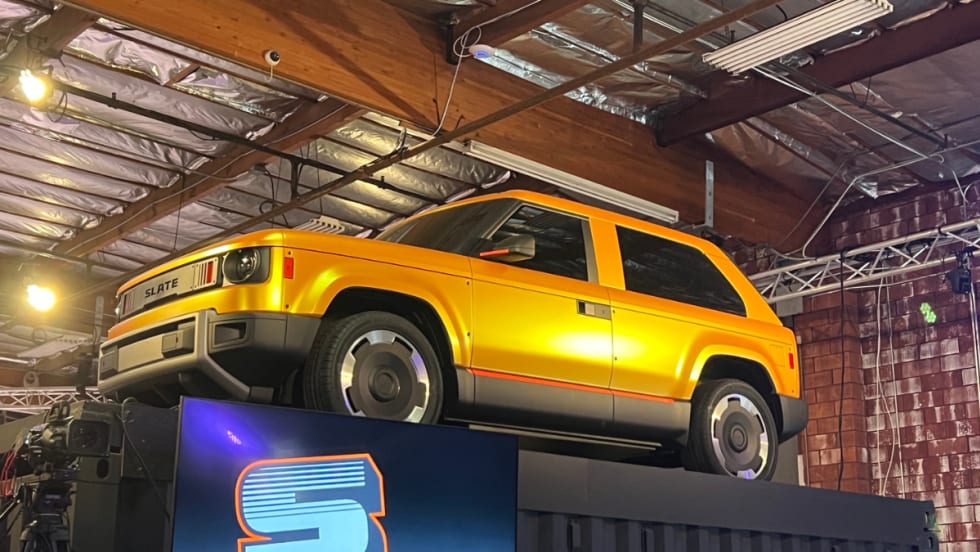
Slate Electric SUV, Pickup Switchable Model Aims For Light-Duty Fleets
Everything about this EV is counterintuitive and understated, making it stand out from the crowd.
Read More →
Inspiration Mobility Acquires Key Electrada Assets
Inspiration Mobility Group has acquired select assets of Electrada, adding the fleet electrification provider's team, technology, and charging infrastructure development capabilities to its energy management business.
Read More →
Turning Connected Vehicle Data Into Decisions That Matter
Fleet leaders have more data than ever, but turning that data into clear, actionable decisions remains a challenge. This white paper shows how leading organizations are using connected vehicle data to improve safety, reduce costs, and optimize fleet performance. Learn how to turn insight into action across your fleet.
Read More →
Are You Tracking Your Fleet's True Total Cost of Ownership?
Bobit Business Media surveyed 190 fleet professionals and found that while most fleets are tracking costs, fragmented systems and data gaps are keeping true TCO visibility out of reach. With rising pressure to control spend in an increasingly volatile environment, the gap between what fleets think they know and what the data actually shows is wider than you might expect. See how your peers are managing costs today and where the industry still has room to improve.
Read More →
Hybrids: Electrification Without the Challenges
For fleet managers, fuel is one of the biggest line items in the budget — and it's one hybrids can shrink without changing how your people work. Download the eBook to see the numbers, understand the technology, and get a step-by-step guide to making the switch.
Read More →