





More EV vs Diesel News: Electric Outsells Diesel In UK Market On Back Of Fleet Demand
Gap Hinders Fleet Electrification Plans
A lack of on-site electric charger provision by companies electrifying their fleets has been identified in a report by leasing and mobility provider Arval U.K.
January 5, 2023
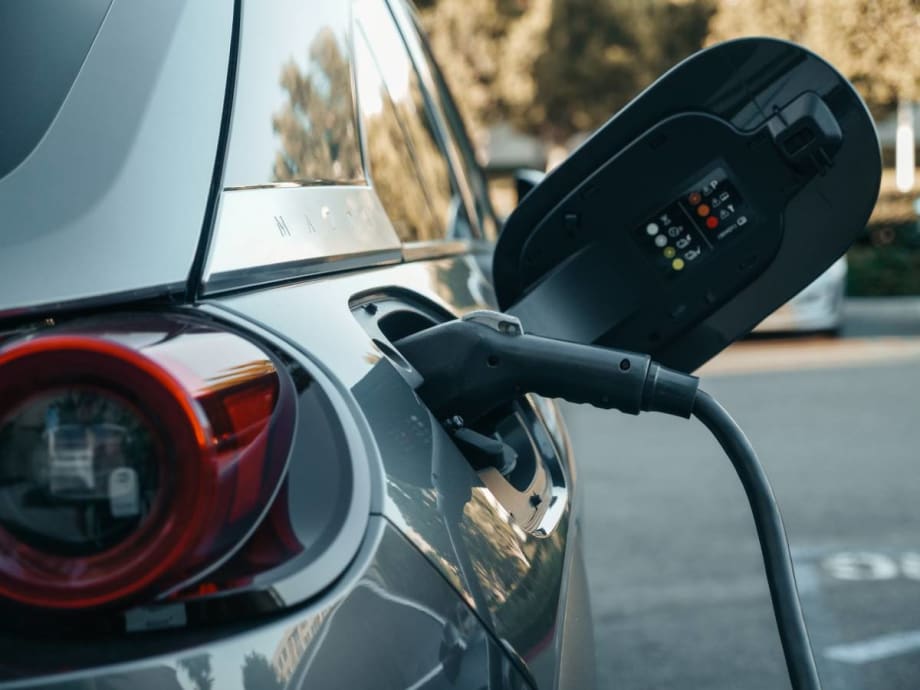
An Arval Mobility Observatory study revealed 33% of responding companies with fleets had no charging points at their premises, although 17% said they planned to install facilities within the next 12 months.
Photo: Kendel Media
2 min to read
The lack of on-site electric charger provision by companies electrifying their fleets has been identified in a report by leasing and mobility provider Arval U.K.
Research from the company’s Mobility Observatory Report has identified a gap in fleet electrification plans around provision of on-site chargers in the UK.
The report found that one third of enterprises that had electrified their fleets - or were preparing to do so - lacked facilities for drivers to charge at work.
Asked about arrangements for company car and van charging provision, the responses indicated that 33% had no charging points at their premises, although 17% said they planned to install facilities within the next 12 months.
“We’re at a stage in the adoption of electric vehicles (EVs) where companies are still in the process of aligning the cars and vans they operate with their charging needs, and the third who don’t yet provide charging at their premises may be experiencing some operational difficulties as a result,” commented Shaun Sadlier, head of Arval Mobility Observatory in the UK.

Photo: Arval UK
“Within a relatively short period of time, it’s likely that all businesses operating vehicles which have their own parking will offer charging and the 17% who aim to do this within the next year indicate this shift is underway. Within a relatively short space of time – perhaps two to three years – we expect this kind of provision to become commonplace.”
While most companies that provided employee onsite charging did so for free, the report’s authors suggested that may change as electrification becomes more widespread and the cost of electricity rapidly increases.
However, ChargedEV - a chargepoint provider - said current charger provisions may not be suitable long term, “with stop gap measures installed as a first step,” according to business founder Mark Pymm.
ChargedEV said that without detailed examination of a fleet’s requirements, efficiencies could be missed.
“The need for thorough fleet analysis is crucial for ensuring a successful and future-proofed infrastructure installation. If a fleet's total charging needs are not understood through telematics data, then they can never be successfully met. While the provision of some basic charging points can feel like a box ticked, it’s likely that companies will be sleepwalking into higher costs and problems further down the road,” he warned.
In the UK, fleet provision of electric vehicles continued to forge ahead, thanks to generous tax incentives, helping EVs reach over 16% of market share and overtaking diesel cars for the first time.
More Global Fleet
GeoFencing Adds to Your Truck Security Arsenal
Geofencing is a familiar fleet tool today, but its early adoption marked a major shift in vehicle tracking, route monitoring, and the debate over employee privacy.
Read More →
Holman Takes Full Ownership of ARIZA in Mexico
Holman is bringing its Mexican fleet management operation fully under its own brand after more than 30 years as a joint venture. The change gives multinational fleet customers a single Holman operation across the U.S., Canada, and Mexico.
Read More →
5 Tire Maintenance Tips to Help Prevent Work Truck Downtime
Regular tire checks can do more than extend tread life. These five maintenance practices can help work truck fleets catch problems early, reduce costs, and prevent downtime.
Read More →

Proven Ways to Reduce Work Truck Downtime
The age-old problem of downtime will always be a reality, but with new strategies at hand, fleets have more ways to keep trucks on the road longer.
Read More →


Cameras, Safety and Insurance: From Reactive Claims to Real-Time Prevention (Part 2 of 2)
Part Two: Commercial auto remains one of the most challenging and costly lines of coverage for fleet operators and insurers alike. Continue learning more about how to effectively address these issues from Onur Aksan, Enterprise Business Development Executive, Geotab
Read More →
Cameras, Safety and Insurance: From Reactive Claims to Real-time Prevention
Commercial auto remains one of the most challenging and costly lines of coverage for fleet operators and insurers alike. Learn more about how to effectively address these issues from Onur Aksan, Enterprise Business Development Executive, Geotab.
Read More →
Fleet Costs Are Rising: Here’s How Leaders Are Responding
Fleet leaders are under pressure to reduce costs, adapt to economic uncertainty, and make smarter decisions. See how peers across North America are responding with real data, proven strategies, and forward-looking insights. Download the 2026 Market Pulse Report to benchmark your strategy and uncover where you can gain an edge.
Read More →
Enterprise Fleet Management Surpasses 900,000 Vehicles in U.S. & Canada
Enterprise Mobility connects with mobility solutions around the globe
Read More →