




Fuel Prices Have Hit Bottom, Likely to Rise Over Next Few Weeks
SOUTH PORTLAND, ME - Rising wholesale prices, refinery work, and more fuel being imported all could lead to higher fuel prices throughout the rest of the year, according to a new report.
SOUTH PORTLAND, ME – In a new report from Wright Express (WEX), the company said fuel prices are as low as they’re going to get and are likely to rise in the coming weeks. The company said experts believe that despite current economic woes and reduced demand, fuel prices will remain strong for the rest of the year.
Retail gasoline prices dropped more than 25 cents during the month of September, but WEX said some experts believe prices have hit bottom. Last week, wholesale gasoline prices were at $2.50-$2.70 per gallon, but the week ended with some markets back above $3.00 per gallon.
The price of crude oil wasn’t as volatile, falling to a new low in 2011, but then recovering to $82.60 per barrel. WEX said every U.S. wholesale spot market traded well over NYMEX futures’ quotes. The biggest price swings happened on the coasts.
WEX reported that refinery work in the Pacific Northwest sent wholesale prices in that market to $3.16 per gallon. Prices in California exceeded $3.05 per gallon wholesale. East Coast wholesale prices rose above $2.80 per gallon after 72 hours below $2.60 per gallon.
Midwestern wholesale prices are cheaper than elsewhere. Chicago gas trading is just above $2.68 per gallon. WEX said several Midwestern states saw retail quotes of less than $3.00 per gallon, but those numbers were below cost and are expected to increase.
In terms of the overall supply situation, the EIA reported that U.S. gasoline imports were 505,000 barrels per day last week. WEX said this is the single lightest week of imported fuel contributions to the U.S. gasoline supply since late 2001.
ConocoPhillips experienced a shutdown of its Trainer, Pa. refinery, which means a loss of 180,000 barrels per day. WEX said this means tighter fuel supplies on the East Coast.
West Coast gasoline stocks are 2.8 million barrels below the same time last year, and refinery work is scheduled to begin, which could affect markets in that region in late October. Still, West Cost refinery production is currently roughly 283,000 barrels per day higher than last year, WEX stated.
The current tight supply situation, combined with upcoming refinery work and rising wholesale prices, leads WEX to believe fuel prices will remain high during the rest of 2011.
More Fuel

Fuel Prices Surge in September | September Fuel Update
September brought major fuel price swings, including diesel crossing $6 a gallon. Here’s how gas and diesel prices changed throughout the month, and where they stood heading into October.
Read More →
Turning Fleet Payment Data into Executive Insights
Ramel Lindsay of U.S. Bank Voyager discusses how fleets can transform payment and transaction data into actionable intelligence to reduce costs, improve oversight, and support executive decision-making.
Read More →
Why the IRS Raised Its Mileage Rate in the Middle of 2026
Fuel-price volatility drove the rare increase to 76 cents per mile, the fifth midyear adjustment since 2000.
Read More →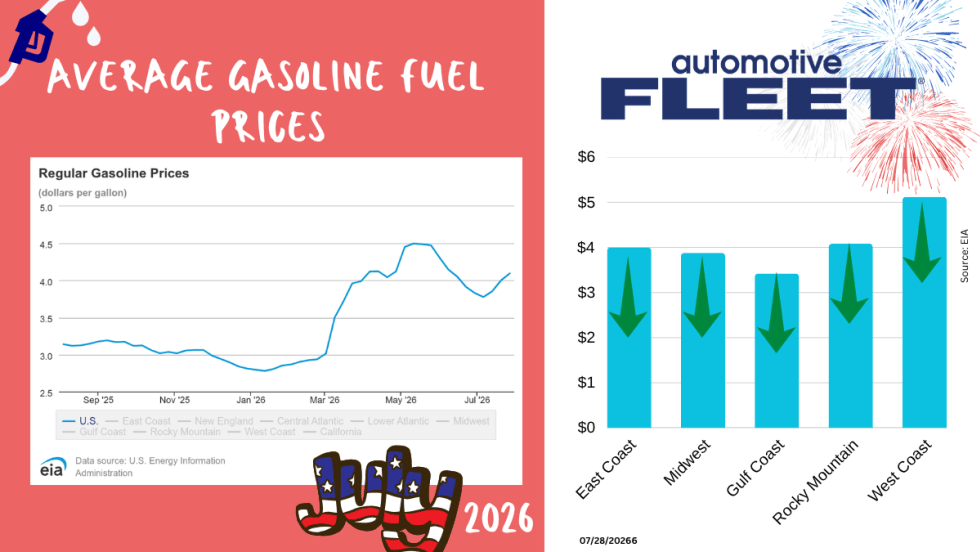
July Fuel Update: Prices Keep Rising in Light of More Conflict
Gas prices continue to rise as more and more conflicts do, too.
Read More →
Bob Adamsky on Fuel Volatility: "Don't Panic, Have a Plan."
When it comes to up and down fuel prices, Adamsky has a message for fleets: “Don’t panic.”
Read More →
How Fleets Can Gain Control of Non-Fuel Spend
Fuel often gets the spotlight, but non-fuel expenses can have a major impact on fleet costs. Ramel Lindsay of U.S. Bank Voyager discusses how fleets can gain better visibility and control over these often-overlooked expenditures.
Read More →
Fuel is Just the Start: How Middle East Tensions are Driving Up Fleet Maintenance Costs
The Middle East conflict is doing more than pushing up fuel prices. It’s also raising the cost of key maintenance products your fleet depends on, from motor oil to tires to windshield wipers. Here’s what you need to know about this budget-busting situation.
Read More →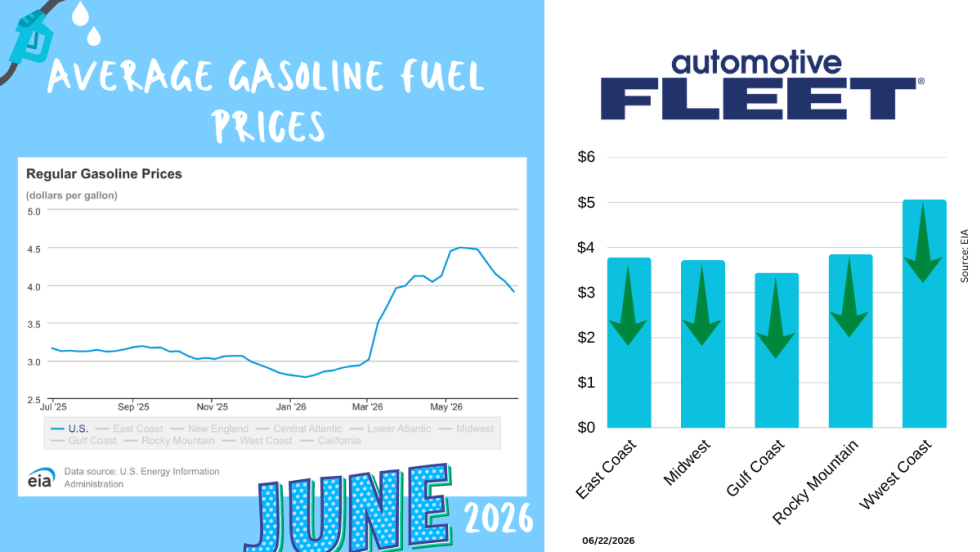
June Fuel Update: Prices Fall Below $4
Drivers are finally getting some relief at the pump. The national average gas price has dropped below $4 a gallon for the first time in months, with prices falling in 47 states as oil markets react to developments in U.S.-Iran negotiations.
Read More →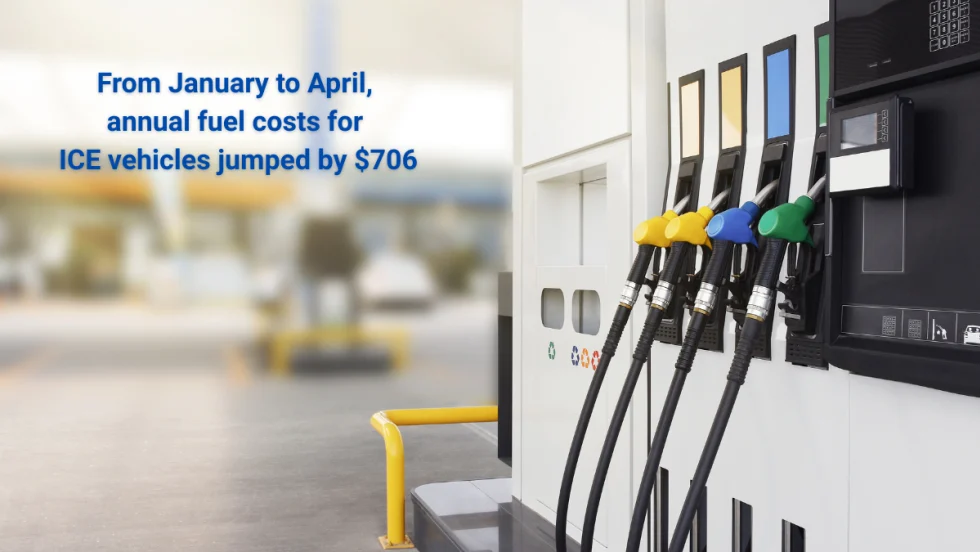
Study: How 2026's Gas Price Hikes Affect Different Vehicle Types
New data from iSeeCars reveals how rising fuel costs have affected different vehicle segments as gasoline prices climbed nearly 46% over the past four months.
Read More →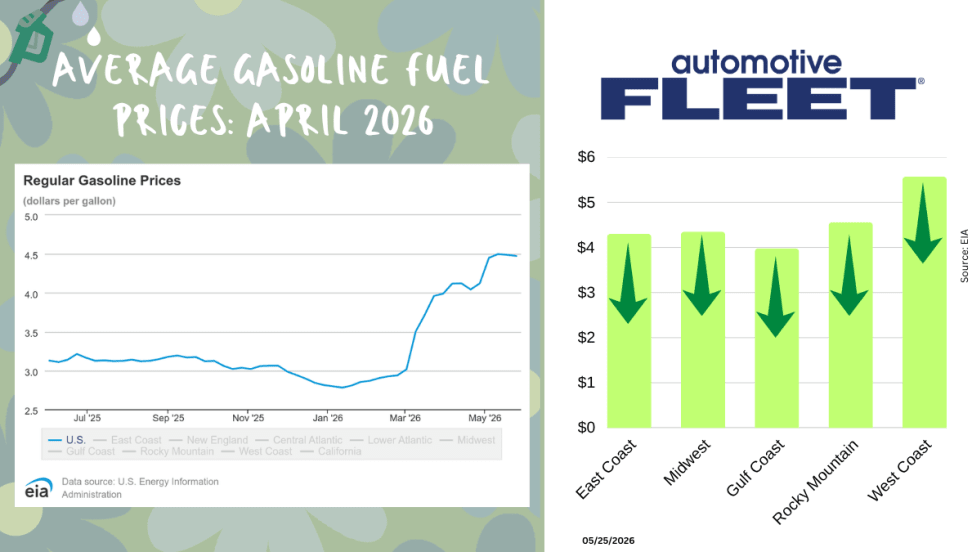
May Fuel Update: All Regions Experience Declines
Gas prices are finally easing in much of the country, but experts warn global tensions could quickly reverse the trend as the national average remains well above last month’s levels.
Read More →