




Frito-Lay Fleet Reaches CNG Milestone
Frito-Lay's fleet of compressed natural gas-fueled trucks and vans have logged more than 100 million miles in the past five years, the PepsiCo division has announced.

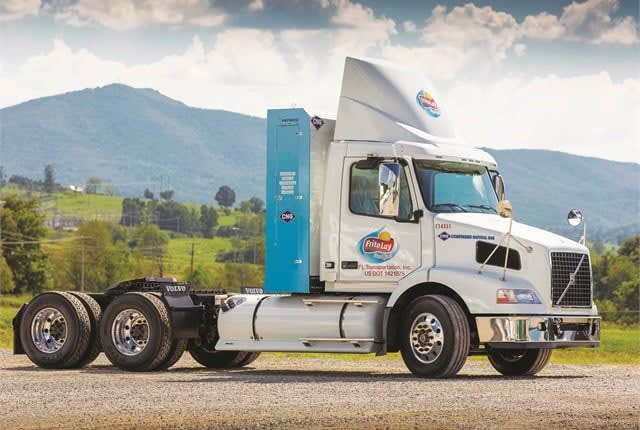
Frito-Lay's fleet of compressed natural gas-fueled trucks and vans have logged more than 100 million miles in the past five years, the PepsiCo division has announced.
The delivery fleet began adding CNG vehicles in 2011 with the addition of 16 Class 8 trucks. The fleet now numbers more than 500 CNG vehicles, accounting for 35% of the company's long-haul fleet. CNG freight trucks emit 23% less greenhouse gas tailpipe emissions than the diesel freight trucks they replace.
"Increasing the efficiency of our vehicle fleet is a key component of achieving PepsiCo's overall goal to reduce GHG emissions," said Michael O'Connell, senior director of supply chain. "Alternative fuel solutions like Frito-Lay's use of CNG freight trucks are an important piece of our overall strategy, helping us reduce our environmental footprint, meet changing consumer needs and thrive in today's economy."
Frito-Lay maintains a fleet of more than 22,000 vehicles for sales and delivery operations. That fleet includes 269 electric delivery trucks, 208 CNG trucks, and Sprinter cargo vans.
"At Frito-Lay, our goal is to be the most fuel-efficient fleet in the country," O'Connell has said. "Our comprehensive fleet sustainability strategy looks at everything from fuel sources to vehicle design."
Frito-Lay has reduced its diesel fuel use by more than 30% from 2008 to 2015, according to PepsiCo.
More Green Fleet
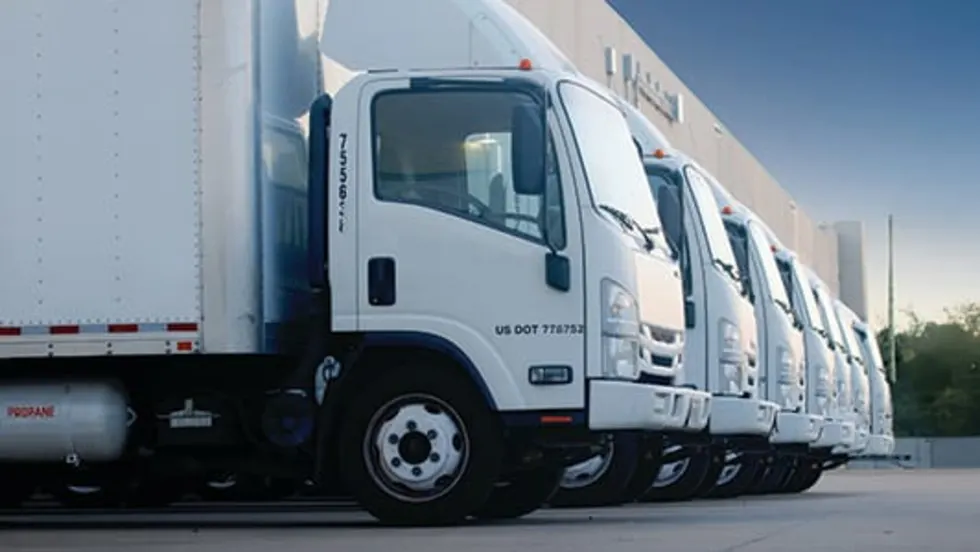
New Propane Autogas Program Offers Fleet Compensation
Qualified commercial fleets can receive $7,500 per eligible propane autogas vehicle and up to $10,000 for new refueling site prep. Learn how the program works and see whether your fleet qualifies.
Read More →
EV Charging Use Is Outpacing Infrastructure Growth
ChargePoint’s 2026 Charging Forward Report points to rising charger use, higher-powered charging, commercial vehicle electrification, and energy-management technology. Here’s what fleets should know.
Read More →
Merchants Fleet Reports 290M EV Miles as Fleets Navigate Changing Electrification Market
From millions in operating savings to hundreds of millions of EV miles, Merchants Fleet’s latest report reveals what’s working and what’s changing in fleet electrification.
Read More →
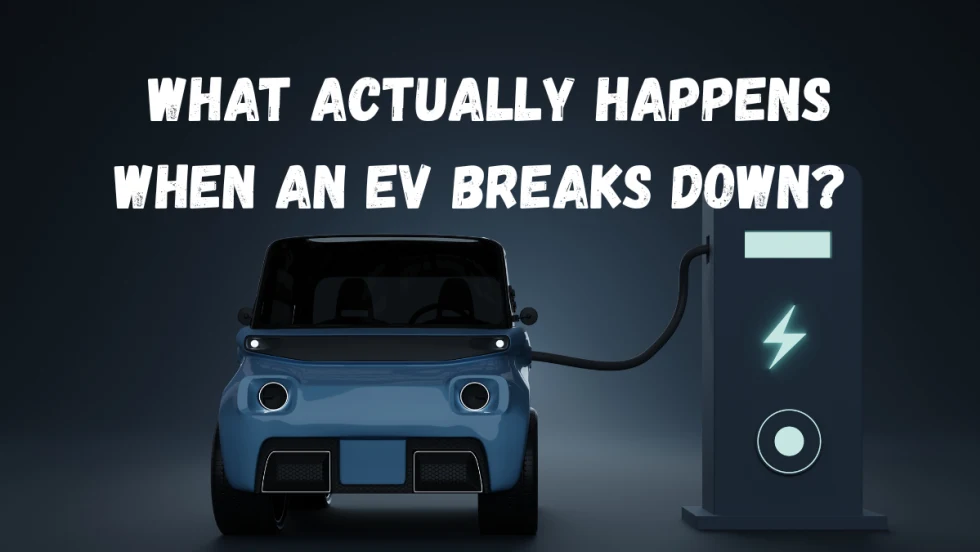
The EV Breakdown Nobody's Talking About: Why Most Electric Vehicle Roadside Calls Aren't Mechanical Failures
Here's why EV breakdowns are widely misunderstood.
Read More →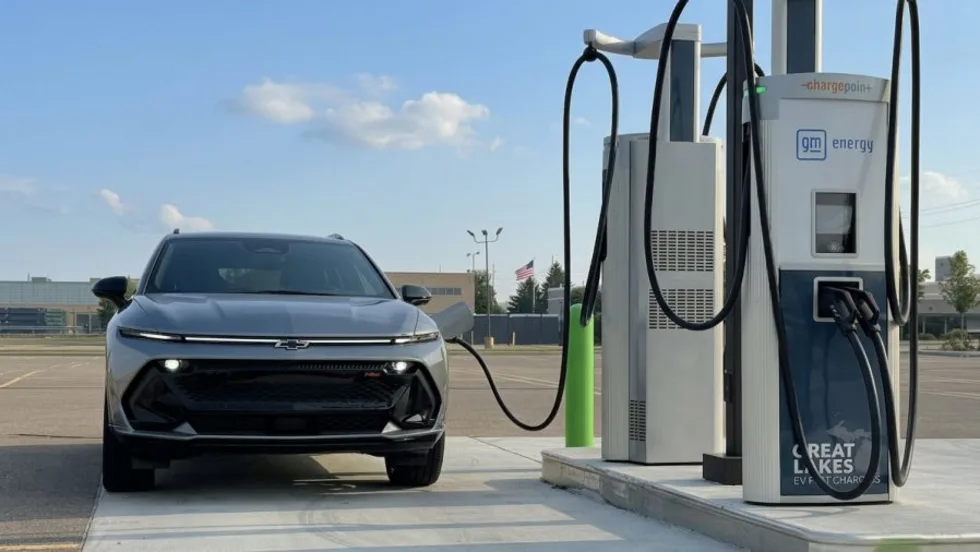
ChargePoint Now Available in Energy Pass
ChargePoint and additional planned charging network integrations were added to GM's Energy Pass.
Read More →

First Look: Slate Auto's Electric Fleet Pickup
Could an affordable, modular EV pickup make electrification more practical for fleets?
Read More →
Slate Debuts Colorful, Unique EV Models
A recent media and client event, studded with electric vehicles dressed up on platforms, planted a new position for the manufacturer in the wider EV market. Fleets will find cost-saving advantages.
Read More →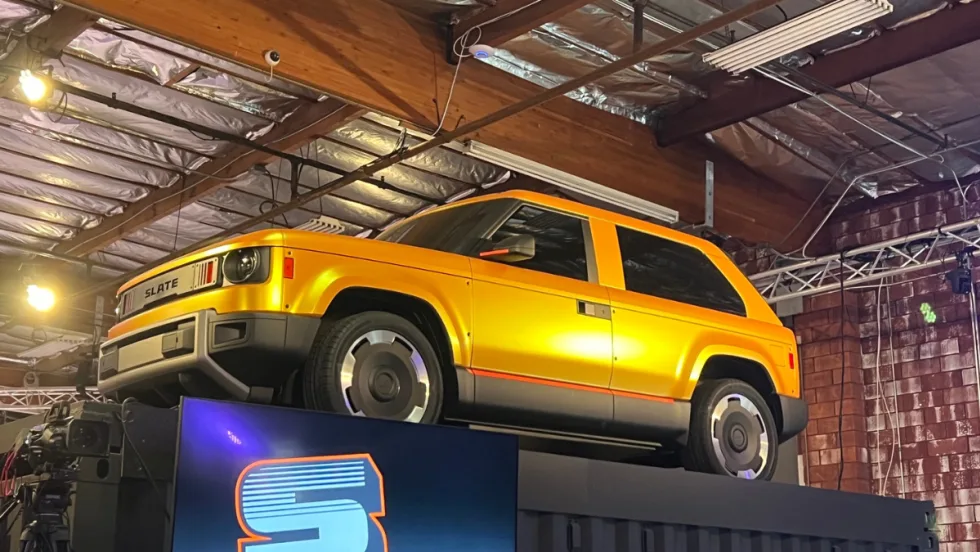
Slate Electric SUV, Pickup Switchable Model Aims For Light-Duty Fleets
Everything about this EV is counterintuitive and understated, making it stand out from the crowd.
Read More →
Inspiration Mobility Acquires Key Electrada Assets
Inspiration Mobility Group has acquired select assets of Electrada, adding the fleet electrification provider's team, technology, and charging infrastructure development capabilities to its energy management business.
Read More →