




Freights Jammed in Seattle Streets
Growing truck fleets with no increased street infrastructure leads to potentially more greenhouse gas emissions.

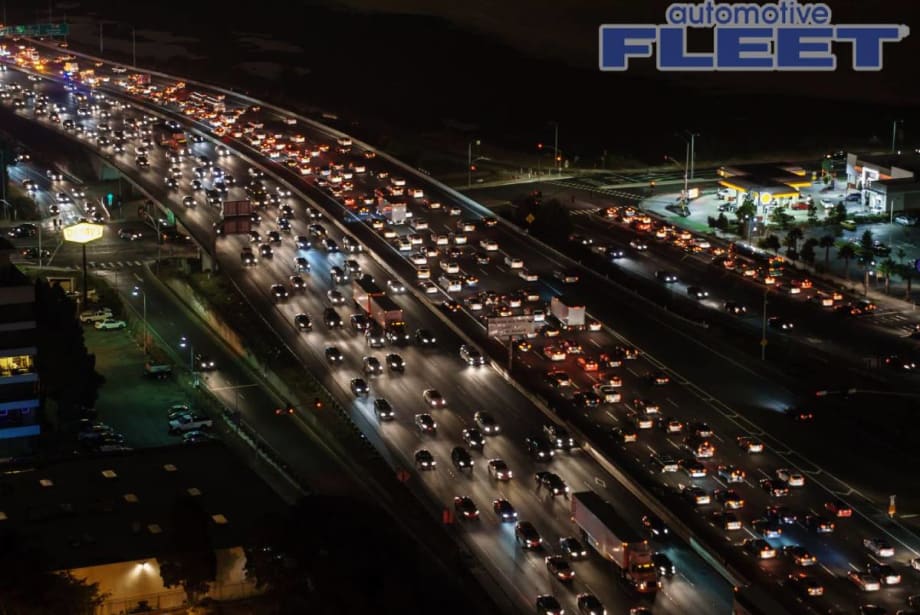
Freight is essential to a city's economy, jobs and supplying homes and businesses.
Photo: Automotive Fleet / Canva
In the age of e-commerce, the supply chain now stops at millions of front doors. And with that convenience comes a logistics nightmare. Cities worldwide are being overrun by urban freights, according to a report in The Seattle Times.
The media outlet's opinon article reports:
City streets and buildings are not designed to manage expanding fleets of trucks and vans bringing a daily flood of parcels. Freight is essential to Seattle’s economy, jobs and supplying homes and businesses.
It must grow safely and sustainably because left unchecked, it’s threatening the city’s priorities for sustainable density, Vision Zero and Carbon Neutral streets.
A new survey of Seattleites says urban freight is among their top transportation priorities, reports the Times.
To ensure mobility and minimize impacts, policies need to be updated for land use and transportation policies, with standards designed to keep streets moving and people safe.
Five years ago, the University of Washington Urban Freight Lab predicted a doubling of goods deliveries and truck trips in the city center by 2023 — even with zero population growth. But Seattle has grown and the pandemic only accelerated reliance on e-deliveries.
Today, a GPS study of 2,900 downtown delivery vehicles reveals 28% of their trip time is spent circling streets for parking, up to 18 extra minutes on some blocks.
As trucks and vans cruise streets for parking or double-park in streets and alleys causing other vehicles to circle, it quickly accumulates Vehicle Miles Traveled, or VMT.
VMT is a proxy for gauging greenhouse gas emissions and an area’s level of transportation safety, according to Fehr & Peers, a national consultancy that advises cities including Seattle. It finds areas with low VMT-generation rates have less frequent and severe collisions.
And with urban freight VMT rising, so have collisions.
Federal statistics show fatality rates for collisions on city streets and arterials growing at five times the rate of all vehicle crashes. The rate for nonfatal urban freight crashes has risen 40%.
Environmental costs are also steep. The national Urban Mobility Report on 101 U.S. cities ranks Seattle 11th in excess CO2 from trucks and 15th in annual truck delays and congestion costs, reports the Times.
In the densest city center neighborhoods, excessive freight VMT is a problem of supply and demand. There’s not enough on-and-off street infrastructure to support the rising number of delivery vehicles.
More curb parking lanes are being converted for bus and bike use while only 13% of buildings in the city center have off-street loading berths. To contain urban freight, buildings and streets must work together.
More Operations

How Fleets Can Recruit and Train Veterans for Technician Roles
Here's how the technician shortage has affected uptime for fleets, and what to do about it.
Read More →
Avis Budget Group Deploys Neology Toll Management Technology Across Major Brands
Neology’s neoFleet platform will manage toll transactions and toll-authority operations for vehicles across Avis, Budget, Payless, Budget Truck and Zipcar.
Read More →
Fleet Personal-Use Charges Edge Higher in 2026
Nearly eight in 10 surveyed fleets allow personal use of company vehicles, while just over half of respondents report charging employees for the privilege.
Read More →
The Future of Fleet + What’s Changing Right Now | AF News Recap
Could developments overseas offer a preview of what’s coming for U.S. fleets? This week, we’re looking at the future of AI, autonomy, and electrification, plus Ford Pro’s new certified pre-owned program, smarter vehicle offboarding, and a new way for fleets to manage toll expenses.
Read More →
How to Handle Vehicle Offboarding
What do fleet managers need to do when a driver leaves?
Read More →
Fleet Manager’s Ultimate Playbook: Navigating the New Standard in OEM Connectivity
Rising operating costs, driver safety concerns, and unplanned downtime are putting unprecedented pressure on modern fleets. Discover how fleet managers use embedded OEM connectivity and real-time vehicle data to cut TCO, prevent downtime, and protect drivers without aftermarket telematics hardware.
Read More →
U.S. Bank Adds Verra Mobility Toll Management to Voyager Fleet Platform
The integration allows U.S. Bank Voyager fleet customers to manage toll payments and violations alongside fuel, EV charging and maintenance expenses.
Read More →
ADAS Prevents Crashes. But Repairs Cost More | AF News Recap
ADAS-equipped vehicles may crash less often, but they can cost more when they do. This week, we’re breaking down what that tradeoff means for fleets, plus Subaru’s first Forester Wilderness Hybrid, Nissan’s new e-POWER Rogue, and why Calstart has become Catalyst Mobility.
Read More →
Moventum Fleet Management Names Mark Iorillo Head of Sales
Iorillo brings nearly 20 years of fleet management and sales experience to the role, including previous positions at Element Fleet Management, CEI, Donlen and Ryder.
Read More →
Fleet Has a Talent Pipeline Problem. What Comes Next? | AF News Recap
Where will fleet’s next generation of leaders come from? This week, we’re looking at the industry’s talent pipeline, what certification can add to a fleet career, how to build an award-worthy track record, and the return of Automotive Fleet’s Personal Use Survey.
Read More →