




Forgotten Harvest Adds First Hybrid Truck to Fleet
Daimler Trucks North America, Daimler Financial Services, and Johnson Refrigerated Truck Bodies recently donated a 2009 M2e Hybrid Freightliner diesel-electric truck to the mobile food rescue organization.
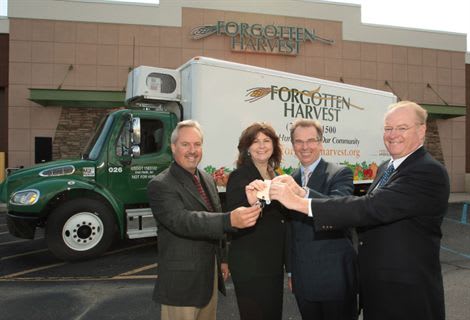
Forgotten Harvest, Metro Detroit's only mobile food rescue organization, recently took delivery of its first hybrid-powered truck. The Class 7 Freightliner, donated by Daimler Trucks North America, Daimler Financial Services, and Johnson Refrigerated Truck Bodies, will enable the organization to rescue 850,000 additional pounds of fresh food on an annual basis at a 30 percent fuel savings, according to a Forgotten Harvest statement.
Susan Goodell, executive director of Forgotten Harvest, was presented the keys to the 2009 M2e Hybrid Freightliner diesel-electric truck by Klaus Entenmann, president and CEO of Daimler Financial Services, and Chris Patterson, recently retired president and CEO of Daimler Trucks North America, at Forgotten Harvest's Metro Detroit facility. Ron Ricci, president of Johnson Refrigerated Truck Bodies of Rice Lake, Wis., donated the 20-ft. fiberglass refrigerated truck body with ElectriMax, all-electric refrigeration that will keep the food fresh during deliveries to homeless shelters and social service agencies that feed the hungry throughout Metro Detroit.
"This generous donation...will not only improve our operating efficiency by keeping fuel costs down, it will also allow us to direct more donated dollars to distributing food in a way that protects the environment," said Goodell.
The 31,000-lb. Class 7 truck is the fifth truck donated by Daimler Financial Services and Daimler Trucks North America and aftermarket "body builders" in the past four years, bringing Forgotten Harvest's growing fleet to 21 vehicles.
More Green Fleet
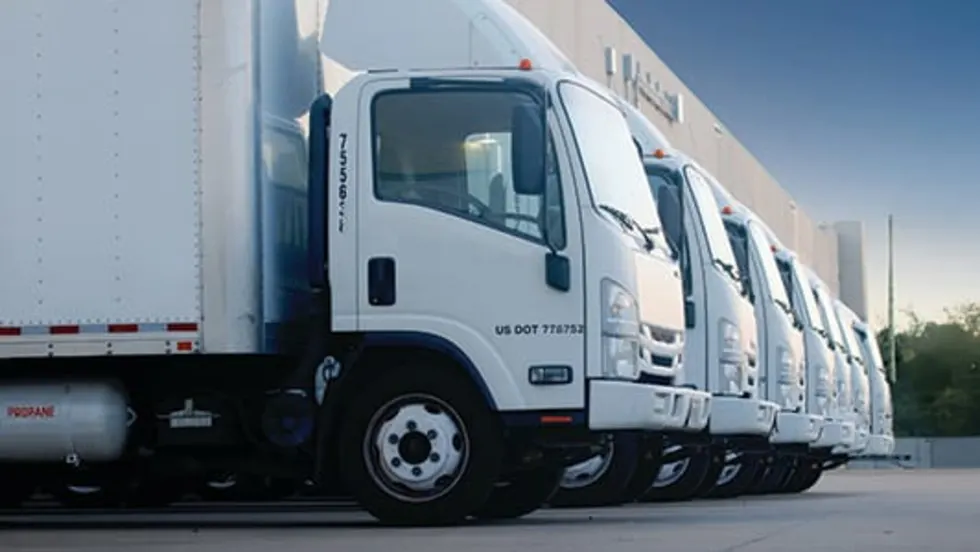
New Propane Autogas Program Offers Fleet Compensation
Qualified commercial fleets can receive $7,500 per eligible propane autogas vehicle and up to $10,000 for new refueling site prep. Learn how the program works and see whether your fleet qualifies.
Read More →
EV Charging Use Is Outpacing Infrastructure Growth
ChargePoint’s 2026 Charging Forward Report points to rising charger use, higher-powered charging, commercial vehicle electrification, and energy-management technology. Here’s what fleets should know.
Read More →
Merchants Fleet Reports 290M EV Miles as Fleets Navigate Changing Electrification Market
From millions in operating savings to hundreds of millions of EV miles, Merchants Fleet’s latest report reveals what’s working and what’s changing in fleet electrification.
Read More →
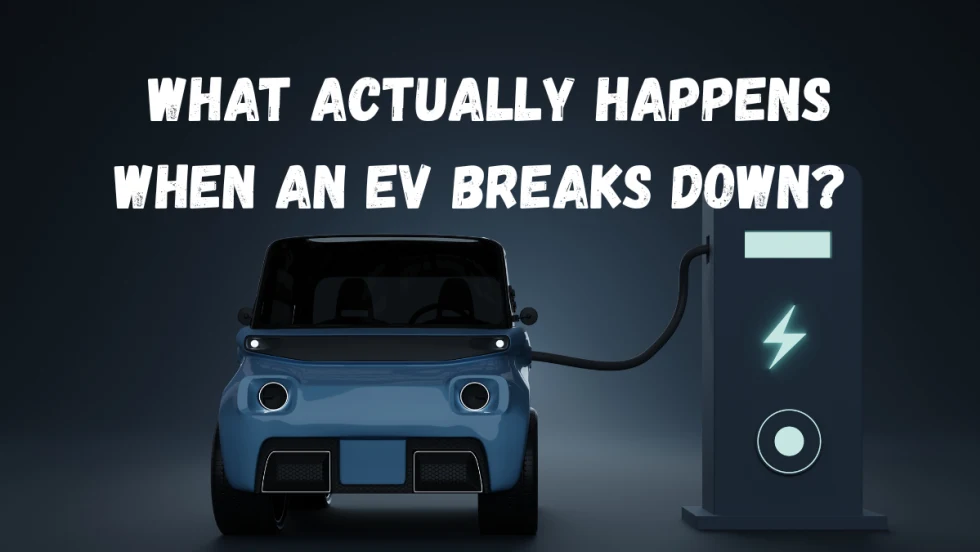
The EV Breakdown Nobody's Talking About: Why Most Electric Vehicle Roadside Calls Aren't Mechanical Failures
Here's why EV breakdowns are widely misunderstood.
Read More →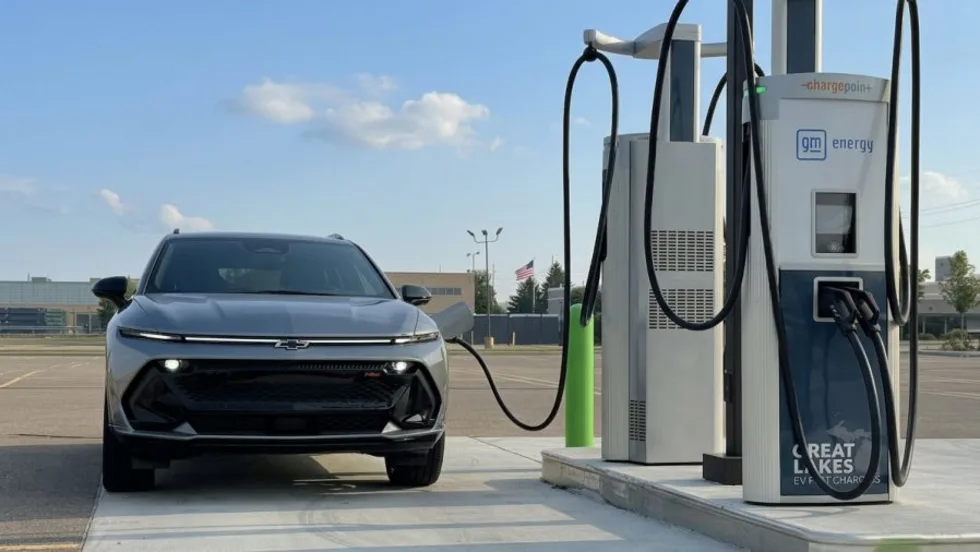
ChargePoint Now Available in Energy Pass
ChargePoint and additional planned charging network integrations were added to GM's Energy Pass.
Read More →

First Look: Slate Auto's Electric Fleet Pickup
Could an affordable, modular EV pickup make electrification more practical for fleets?
Read More →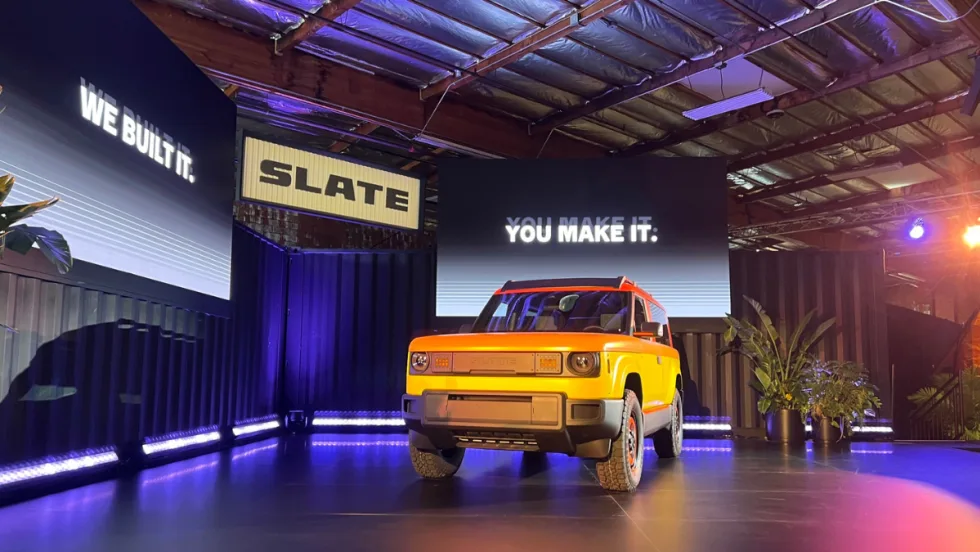
Slate Debuts Colorful, Unique EV Models
A recent media and client event, studded with electric vehicles dressed up on platforms, planted a new position for the manufacturer in the wider EV market. Fleets will find cost-saving advantages.
Read More →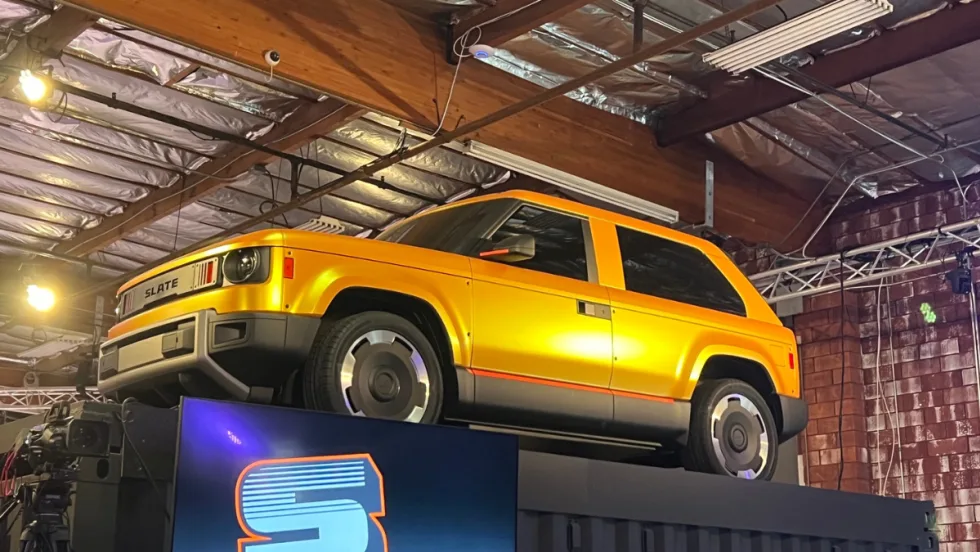
Slate Electric SUV, Pickup Switchable Model Aims For Light-Duty Fleets
Everything about this EV is counterintuitive and understated, making it stand out from the crowd.
Read More →
Inspiration Mobility Acquires Key Electrada Assets
Inspiration Mobility Group has acquired select assets of Electrada, adding the fleet electrification provider's team, technology, and charging infrastructure development capabilities to its energy management business.
Read More →