





Related: Replacement Tire Prices Moderate to Rate of Inflation
Forecasting Tire Price Trends in 2020
Most of the subject matter experts that we spoke to expect an increase in tire prices, although predicting future tire costs is difficult due to variables that influence tire pricing.
January 6, 2020
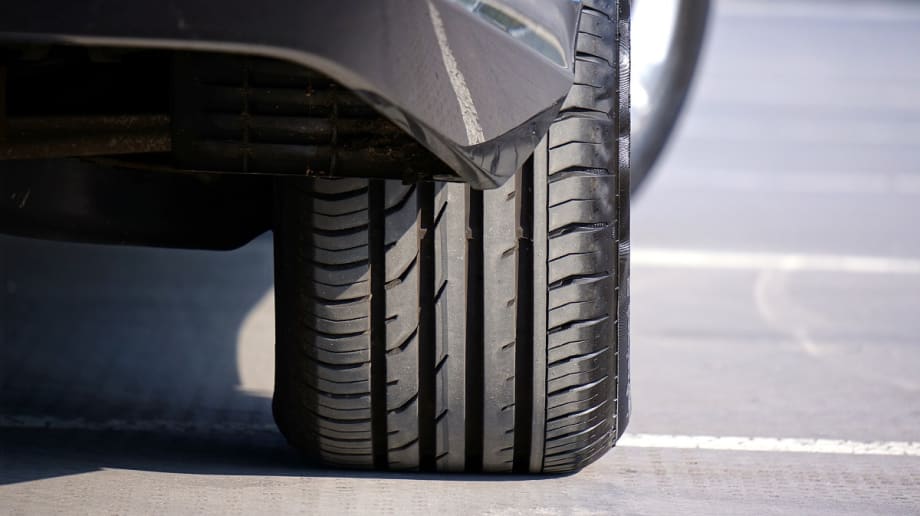
Possible tariffs on tires and commodities that are found in tires could have greater influence on tire prices in 2020.
Image by MikesPhotos from Pixabay.
3 min to read
Predicting future tire costs is very difficult due to the many variables that influence tire pricing.
The unpredictable cost variable for tire prices is the price of commodities, such as oil, rubber, and steel, which are three key ingredients needed to manufacture tires.

George Albright,
Merchants Fleet
“The cost of synthetic and natural rubber prices has risen in 2019,” said George Albright, director of fleet maintenance for Merchants Fleet.

Chris Foster, ARI
“Overall, tire prices increased slightly in 2019 – likely influenced somewhat by trade tariffs – but the increase was relatively minimal, ranging from approximately 2 to 4% on average,” said Chris Foster, manager, truck & equipment maintenance for ARI.
LeasePlan USA also predicts price increases for replacement tires in calendar-year 2020.

Mark Ackerman,
LeasePlan
“Tire prices will continue to increase well into 2020 and possibly beyond due to continued raw material challenges and shortages,” said Mark Ackerman, director, maintenance and repair for LeasePlan USA.

John Wuich, Donlen
[EMPTY CREDIT]
Agreeing is Donlen. “A number of manufacturers have been in the news recently announcing tire price increases for U.S. and Canada. So, a continued trend upward in tire price. Also, a continued trend in tire strategy that includes both price strategy and emphasis on proper maintenance. Also, there’s been an emphasis on vendor management and choosing cost-effective vendors for oil changes, tires, and tire rotations,” said John Wuich, vice president of strategic consulting for Donlen.
EMKAY offered this assessment of the probability of price increases for replacement tires in calendar-year 2020.

Mark Donahue, EMKAY
[EMPTY CREDIT]
“It appears price increases will continue. If commodities and transportation costs continue to rise, we could see national vendors passing more of the expense onto the consumer. With tires already being a large expense, especially for an aging fleet, we may see fleets testing different solutions to counteract the growing cost. One example may be the purchasing of a higher-cost tire with a longer tread-life,” said Mark Donahue, manager of fleet analytics for EMKAY.
Tire operating costs are a perennial concern with fleets, which can be effectively addressed by driver attention to tire inflation levels. Most instances of tire wear and higher fuel costs are directly associated with the fleet not properly maintaining air pressure.
“A continuation of 2018 and 2019 relative to price increases being passed down to the consumer. To combat, fleets will look to save money through retread programs and an emphasis on driver training relative to proper air pressure and other tire-wear and maintenance strategies. The cost of tires being passed down to consumers will continue to mirror the overall cost of oil and other raw materials. Additionally, more tire manufacturers have leveraged support teams designed to help fleet customers and FMCs with making targeted tire selections,” said Albright of Merchants Fleet.
Since oil represents a large percentage of the raw materials used to manufacture tires, the forecast for future oil prices is a positive sign.

[EMPTY CREDIT]
“Oil makes up a significant percentage of a tire’s cost and oil is forecast to remain relatively flat in 2020. With no anticipated labor disruptions, tire costs should remain relatively flat or slightly increase,” said Mark Lange, CAFM, technical services consultant for Element Fleet Management.
Tire prices are driven by the costs of labor, carbon black, crude oil, rubber, and steel. While the price of natural rubber continued its sharp downward trend, carbon black, crude oil, and steel prices increased in 2019.
Barring unforeseen events, the industry consensus is that commodity prices will be higher in 2020, led by higher natural rubber prices, which will translate into higher tire prices.
More Maintenance

Sponsored•October 1, 2026
Fleet Manager’s Ultimate Playbook: Navigating the New Standard in OEM Connectivity
Rising operating costs, driver safety concerns, and unplanned downtime are putting unprecedented pressure on modern fleets. Discover how fleet managers use embedded OEM connectivity and real-time vehicle data to cut TCO, prevent downtime, and protect drivers without aftermarket telematics hardware.
Read More →
How Can Fleet Managers Tell Which Repairs Require Closer Review?
Fleetio’s Brianna Perry demonstrates how Service Advisor evaluates maintenance requests, identifies pricing anomalies, and provides the context fleet managers need to focus their attention on potential problems.
Read More →
Why Roadside Assistance Belongs in a Fleet Risk Strategy
Roadside assistance is more than a tow. See how the right partner can protect drivers, uncover fleet trends, and strengthen your risk strategy.
Read More →
Sponsored•August 7, 2026
Hidden in Plain Sight: Fleet Compliance Risks
Fleet compliance isn't just about having policies — it's about consistently enforcing them. This practical guide reveals six hidden compliance risks common in public sector and shared fleet operations and outlines proven strategies to improve visibility, accountability, and audit readiness
Read More →
How Maintenance Costs Compare Across 27 Fleet Vehicles
Vincentric’s three-year, 60,000-mile projections reveal wide differences for both scheduled and unscheduled maintenance among selected vehicle categories. Projected maintenance visits also play a factor.
Read More →
The EV Breakdown Nobody's Talking About: Why Most Electric Vehicle Roadside Calls Aren't Mechanical Failures
Here's why EV breakdowns are widely misunderstood.
Read More →
How Stellantis Plans to Get Ahead of Fleet Downtime
Keeping fleet vehicles on the road has become as important as buying them. Darren Bradshaw of Mopar North America explains how connected vehicle data, AI, and proactive service strategies are helping Stellantis reduce downtime and move closer to predictive maintenance.
Read More →
Merchants Fleet Expands Maintenance Network with Pep Boys
Merchants Fleet has expanded its relationship with Pep Boys, increasing the service provider's role within its national maintenance network. The move is intended to enhance maintenance coordination and support commercial fleets through Pep Boys' nationwide footprint.
Read More →
The Two Biggest Summer Downtime Threats for Fleets
A conversation with a maintenance expert reveals the two most common summer maintenance pains and how to prevent them.
Read More →
From Marine Corps Motor Pool to Managing 460 Fleet Vehicles
Cesar Ayala of O’Connell Landscape Maintenance shares how he transitioned from the Marine Corps to managing a 460-vehicle fleet—and the real-world challenges of maintenance, compliance, and driver management in California.
Read More →