




Ford's Transit Connect Adds Diesel, Fleet Model
Ford's 2019 Transit Connect compact cargo van is adding a diesel engine option, fleet model that can be easily converted to run on gaseous fuel, and array of driver-assisting features to reduce accidents for commercial users, Ford announced at the Work Truck Show in Indianapolis.

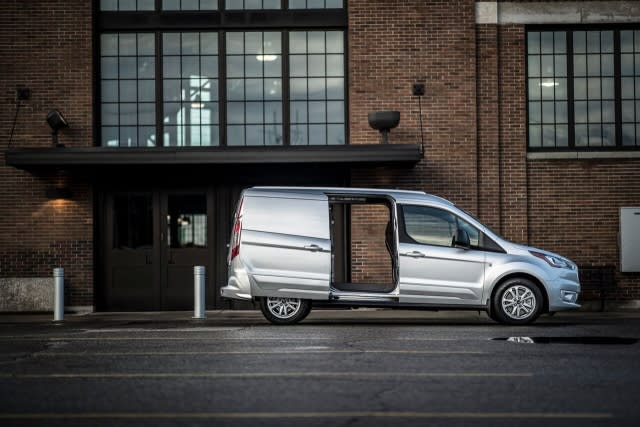
Photo of 2019 Transit Connect courtesy of Ford.
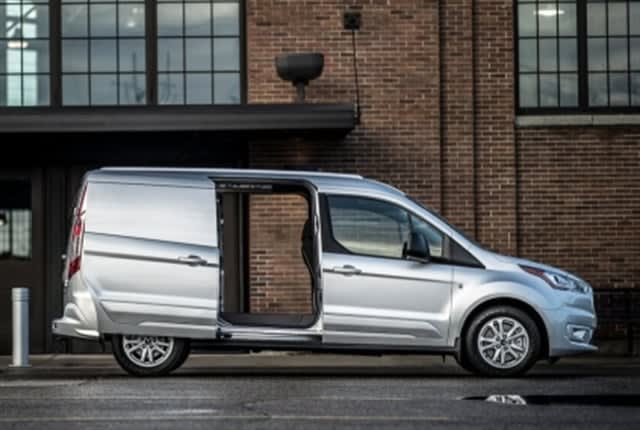
Photo of 2019 Transit Connect courtesy of Ford.
Ford's 2019 Transit Connect compact cargo van is adding a diesel engine option, fleet model that can be easily converted to run on gaseous fuel, and array of driver-assisting features to reduce accidents for commercial users, Ford announced at the Work Truck Show in Indianapolis.
The upgraded model will offer three engines capable of running on five different fuels to give commercial and government fleets many choices to find the right engine for their needs. The 2019 Transit Connect will offer a standard 2.0L inline four-cylinder, 1.5L EcoBlue diesel, and 2.5L inline four-cylinder exclusively for fleets.
The base engine, which includes auto start-stop technology, delivers power through an eight-speed automatic transmission to achieve low-rpm cruising on the highway and responsive performance. The E85-compatible engine comes with a standard heavy-duty battery and available heavy-duty alternator to supply power for upfit applications.
The EcoBlue diesel should achieve an EPA-estimated 30 mpg on the highway, according to Ford. The engine combines the latest in fuel injection, turbocharging, and emissions-control technologies to reduce fuel consumption. The engine is also fitted with the 8-speed transmission.
The exclusive fleet model pairs its engine with a 6-speed automatic transmission. Ford is offering a factory gaseous fuel package that allows fleets to more easily convert it to run on compressed natural gas (CNG) or propane autogas.
The base model and diesel engine come with EcoMode and EcoCoach, which monitor fuel economy and encourage fuel-efficient driving behaviors.
“The original Transit Connect’s compact size resonated with customers searching for a more maneuverable and efficient commercial van,” said Tim Stoehr, Ford's general fleet marketing manager. “We’ve enhanced Transit Connect’s available technology and powertrains to keep up with what our customers need. It is a critical tool with smart features to help improve productivity out in the field.”
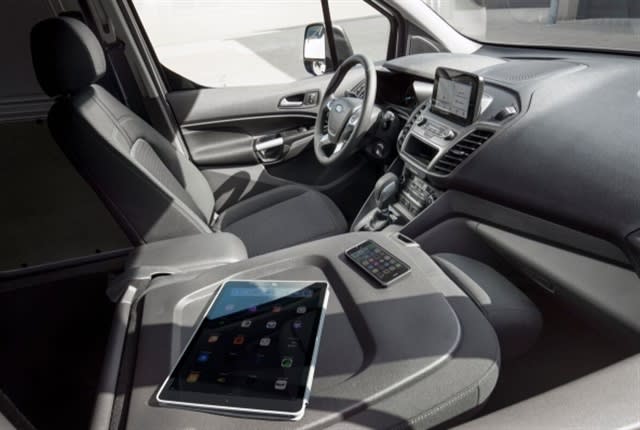
Photo of 2019 Transit Connect's interior courtesy of Ford.
Transit Connect will also boost driver-assisting technologies and make more of these technologies standard equipment, including automatic emergency braking. The cargo van also offers standard pre-collision assist with pedestrian detection, side wind stabilization, and a rear-view camera.
Available technologies include a blind spot information system with cross-traffic alert, a lane keeping system, and adaptive cruise control.
Transit Connect now also includes standard embedded 4G LTE modem that provides Wi-Fi for up to 10 devices, while an available 6.5-inch floating touch screen running SYNC 3 helps drivers keep their eyes on the road as they field customer calls and text messages hands-free or navigate to job sites.
Available wireless phone charging is a segment-first feature, according to the automaker, which keeps compatible mobile devices topped off and ready for service. FordPass helps monitor small fleets, including driver location, fuel level, tire pressure and more. Ford’s MyKey programmable ignition key remains standard for Transit Connect XLT enabling owners and fleet administrators to preset warnings and limits for vehicle speed while restricting the entertainment system’s audio to 45% of maximum volume.
Transit Connect’s interior has also been rethought. Redesigned front seats with new seat foam offer enhanced comfort over the previous model.
With city-friendly dual sliding side doors, a wide and flat load floor finished in durable vinyl, near-vertical walls and integrated tie-downs, the Transit Connect boasts flexible and generous cargo-carrying and towing capability. Loading a 48-inch pallet via forklift is easy with 180-degree swing-out rear cargo doors that can be locked in the open position.
With a 38.3-foot curb-to-curb turning diameter, short-wheelbase Transit Connect can maneuver and park on tight city streets. Transit Connect also provides a towing capability of 2,000 pounds when paired with the available tow package. It’s engineered for maximum durability and service intervals to mitigate downtime.
In addition, the new Transit Connect Cargo Van is customizable, with substantial support from aftermarket upfitters and suppliers for interior cargo management solutions, ladders, and roof racks. Businesses ranging from mobile dog grooming to pipefitting will benefit from the ease in upfits.
The 2019 Ford Transit Connect Cargo Van goes on sale this fall. It can be purchased and serviced at more than 3,000 Ford dealers nationwide, including more than 650 dedicated Commercial Vehicle Center dealers.
More Operations

Here's When You Should Make an Exception to Fleet Policy
Fleet policies are designed to create consistency, but not every driver or situation fits neatly within standard rules.
Read More →
AI-Native or AI-Acquired: What Should Fleet Managers Look for in an AI Platform?
Six questions can help fleet managers look beyond AI marketing claims to evaluate integration, data access, and real-world operational performance.
Read More →
A buyer's guide to fleet management software in 2027
Buying fleet management software in 2027 means looking beyond features and price. As fleet operations, technology and expectations evolve, this guide explores what today’s fleet professionals should consider when choosing a system that can deliver value now and adapt to what comes next.
Read More →

What Will Shape the Next Era of Fleet Management?
EVs, AI, and autonomous vehicles are reshaping fleet management. Discover what’s ahead—and how fleet leaders can prepare for the next era.
Read More →
How Fleets Can Recruit and Train Veterans for Technician Roles
Here's how the technician shortage has affected uptime for fleets, and what to do about it.
Read More →
Avis Budget Group Deploys Neology Toll Management Technology Across Major Brands
Neology’s neoFleet platform will manage toll transactions and toll-authority operations for vehicles across Avis, Budget, Payless, Budget Truck and Zipcar.
Read More →
Fleet Personal-Use Charges Edge Higher in 2026
Nearly eight in 10 surveyed fleets allow personal use of company vehicles, while just over half of respondents report charging employees for the privilege.
Read More →
The Future of Fleet + What’s Changing Right Now | AF News Recap
Could developments overseas offer a preview of what’s coming for U.S. fleets? This week, we’re looking at the future of AI, autonomy, and electrification, plus Ford Pro’s new certified pre-owned program, smarter vehicle offboarding, and a new way for fleets to manage toll expenses.
Read More →
How to Handle Vehicle Offboarding
What do fleet managers need to do when a driver leaves?
Read More →
Fleet Manager’s Ultimate Playbook: Navigating the New Standard in OEM Connectivity
Rising operating costs, driver safety concerns, and unplanned downtime are putting unprecedented pressure on modern fleets. Discover how fleet managers use embedded OEM connectivity and real-time vehicle data to cut TCO, prevent downtime, and protect drivers without aftermarket telematics hardware.
Read More →