




Ford's 2019 Edge Improves Traction, Fuel Economy
Ford's 2019 Edge will arrive with a more intelligent all-wheel drive system that improves traction and fuel economy for the midsize SUV, Ford has announced.


Ford is adding an intelligent all-wheel drive system to its 2019 Edge midsize SUV.
Photo courtesy of Ford.
Ford's 2019 Edge will arrive with a more intelligent all-wheel drive system that improves traction and fuel economy for the midsize SUV, Ford has announced.
The new all-wheel drive system can disconnect power to the front wheels depending on the driving conditions, so the vehicle can operate in two-wheel mode. The system can send up to 100% of engine power to the rear wheels. The technology will be offered on the new Edge ST, a performance-oriented variant.
The Edge and Edge ST are receiving additional technology that also helps improve fuel economy, including a new eight-speed automatic transmission; a feature known as "active transmission warm-up" that uses reclaimed heat energy to warm up the transmission faster; standard automatic stop-start, fuel shut off when the vehicle is reducing speed, and exhaust gas recirculation to reduce emissions.
Three engines will carry over from the 2018 model, including the 2.0-liter EcoBoost inline-four, 2.7-liter EcoBoost V-6, and 3.5-liter Ti-VCT V-6. The Edge ST will pair the turbocharged V-6 with the new all-wheel-drive system. The vehicle will continue to be available in front-wheel drive.
The all-wheel Edge should achieve EPA fuel economy ratings of 21 mpg in the city, 28 mpg on the highway, and 23 mpg combined, according to Ford. That would represent a significant improvement from the 2018 Edge Sport, which provided an EPA-rated 17 mpg in the city and 24 mpg on the highway. The front-wheel-drive Edge should achieve 22 mpg in the city, 29 mpg on the highway, and 25 mpg combined.
The 2019 Edge models will be available in showrooms later this month.
More Vehicle Research

Crash Tests, Catalytic Converter Theft & Fleet Safety | AF News Recap
A stolen catalytic converter can cost a fleet far more than the replacement part. This week, we're exploring how to reduce theft-related risk, what fleet managers learned from live IIHS crash testing, the 2027 Jeep Compass's new safety features, and why supporting original industry reporting matters.
Read More →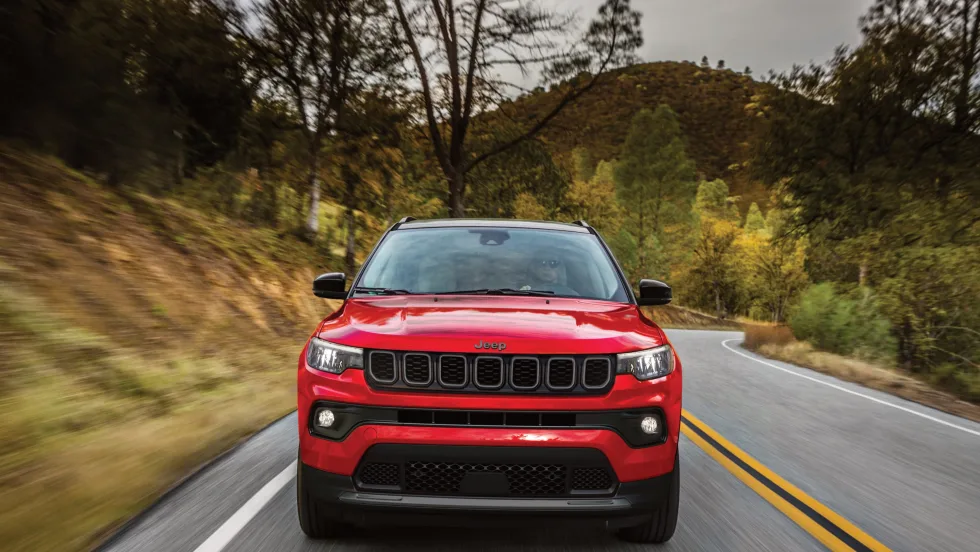
2027 Jeep Compass Adds Standard Driver-Assistance Features, Starts at $31,985
The 2027 Jeep Compass adds standard adaptive cruise control across the lineup, along with additional technology and equipment options on select trims.
Read More →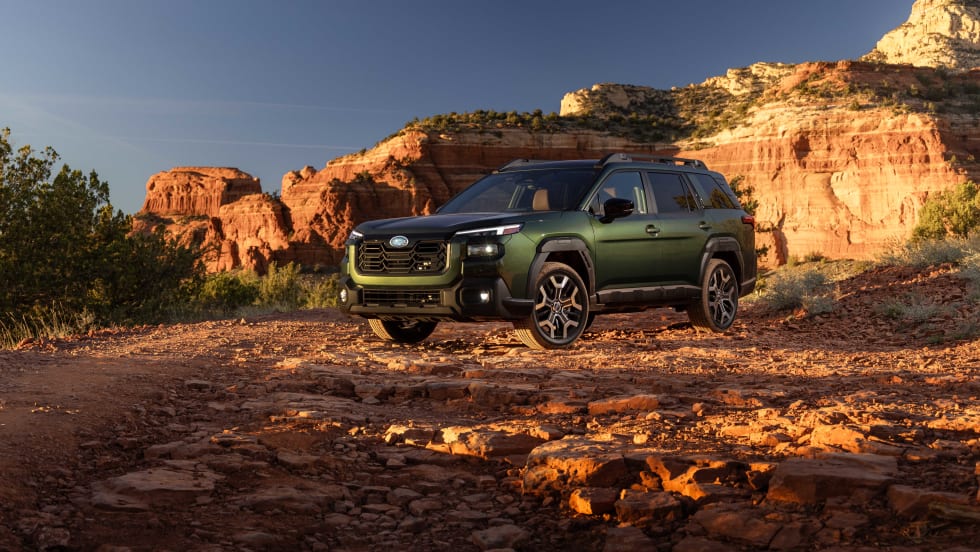
2027 Subaru Outback Adds Base Trim, Lowers Pricing Across Lineup
The 2027 Outback starts at $32,995, with price reductions on several trims and expanded availability of hands-free driver-assistance technology.
Read More →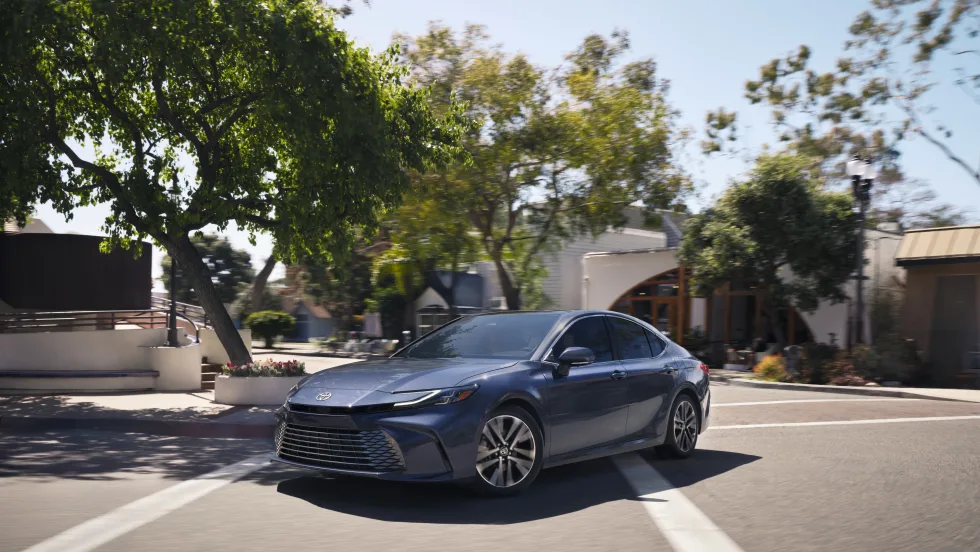
2027 Toyota Camry Offers Hybrid Powertrain Across Five Grades
The 2027 Toyota Camry is a carryover with new pricing.
Read More →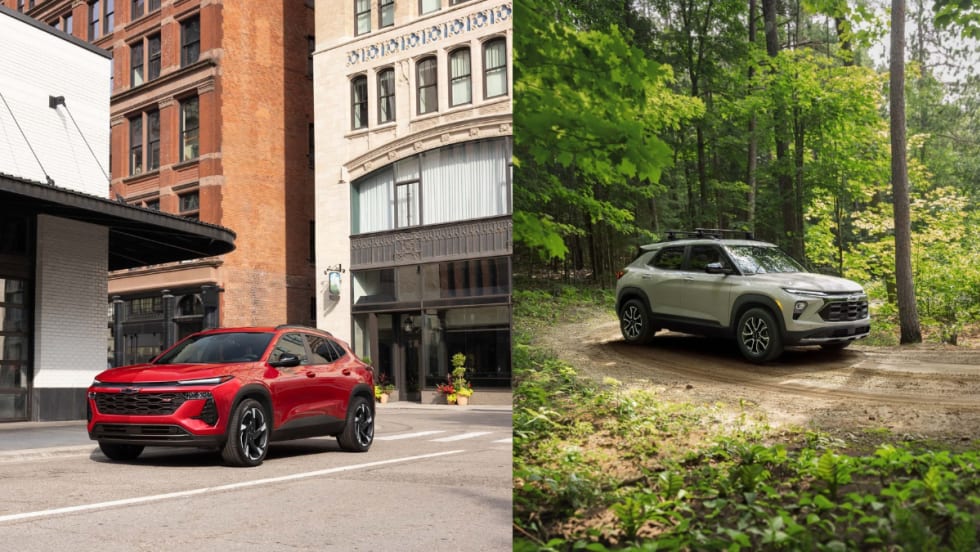
Chevrolet Updates 2027 Trax and Trailblazer with More Standard Safety Features
Chevrolet is updating two of its smallest SUVs with added driver-assistance technology, redesigned interiors, and revised trim options. The changes could add more safety equipment as standard for commercial fleets, while a new Trailblazer configuration adds another all-wheel-drive option.
Read More →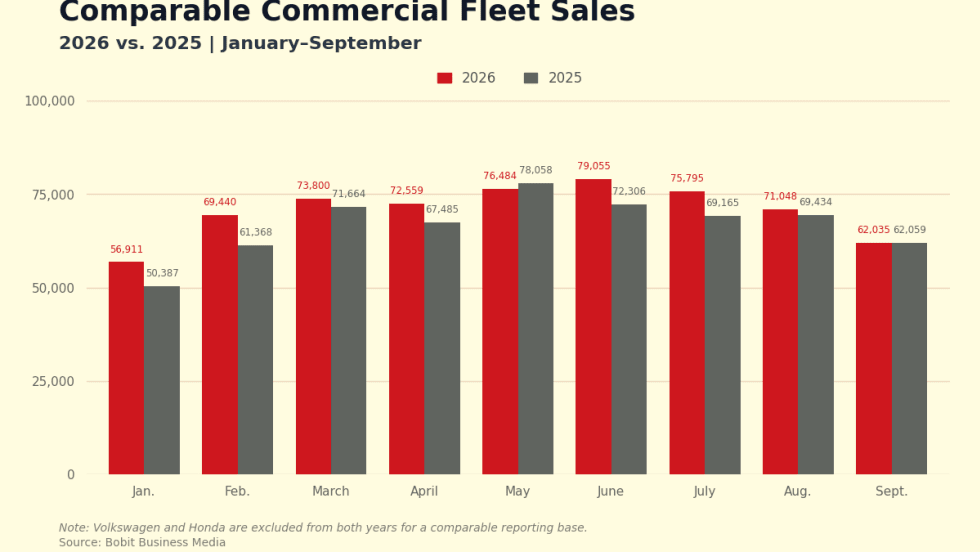
Commercial Fleet Sales Rise 5.8% Through September 2026
September commercial fleet sales were essentially unchanged from a year earlier, slowing year-to-date growth while keeping volume ahead of 2025.
Read More →
Hall of Fame Inductee: John Dmochowsky
The longtime Mondelēz International fleet executive joins the Automotive Fleet Hall of Fame.
Read More →
Hall of Fame Inductee: Lee Miller
After more than four decades at Boehringer Ingelheim, Lee Miller leaves a legacy built on fleet expertise.
Read More →
Hall of Fame Inductee: Mark F. Petersen
From managing fleets of thousands of vehicles to advancing safety and mentoring fellow professionals, Mark F. Petersen made his mark across both the corporate and supplier sides of fleet.
Read More →
When Charger Downtime Becomes a Fleet Availability Problem
As EV deployments move beyond pilot programs, charger reliability can directly affect vehicle readiness, driver productivity and route scheduling.
Read More →