




Ford's Active Safety Technology Turns Smarter Cars Into Safer Cars
DEARBORN, Mich. --- Ford Motor Co. engineers have introduced a host of in-vehicle intelligent active safety technologies that aim to help drivers avoid accidents.
DEARBORN, Mich. --- Ford Motor Co. engineers have introduced a host of in-vehicle intelligent active safety technologies that aim to help drivers avoid accidents. Globally, the emphasis has expanded from "passive" safety systems (seat belts, airbags and crumple zones), which look to minimize post-crash driver and passenger injury, to include "active" safety systems that focus on pre-collision accident avoidance. Among the first active safety technologies to be successfully shared globally is AdvanceTrac with Roll Stability Control (RSC), Ford's electronic stability control system. This system measures the roll motion of a vehicle and then takes corrective action to help reduce the risk of rollover. "It [Active Safety] certainly has been one of the most visible of the 'Big Bang' technology efforts," said Todd Mustaine, product portfolio manager for Ford Research & Advanced Engineering (R&A), referring to the ongoing technology partnership between Ford R&A and Product Development (PD) aimed at getting pre-collision technologies into vehicles. "These are products that we think have the best potential to make a difference with customers," said Mustaine. "The introduction of RSC began with the launch of the Volvo XC90 and was aggressively migrated onto the Ford Explorer and our entire North American SUV lineup rather quickly." Another Big Bang-related active safety technology, co-developed by Ford R&A and researchers at the Volvo Safety Center, is Collision Warning with Brake Support (CWBS). Launched on the 2007 Volvo S80, CWBS uses forward-looking radar to gauge an impending frontal crash. If a potential collision is detected, a warning is first given via an audio alert and a Head-Up Display light "bar" reflected off of the front windshield. Then, the system augments the driver's braking by automatically applying additional brake pressure to further reduce the vehicle's speed. "The driver will always be in control," said Priya Prasad, Ford Technical Fellow, Safety Research and Development. "If the driver is taking some type of evasive action, for instance if they want to accelerate, this system is not going to override. But if the driver is not taking sufficient braking action and the system detects an imminent threat of accident or collision, then it will begin decelerating the vehicle." The Mazda Pre-crash Safety System is another example of a radar sensor mounted toward the front of a car to monitor the vehicle ahead, oncoming vehicles or other obstacles. In addition to a collision warning, if the driver fails to take an evasive action in the event of an impending crash, the vehicle's brakes are applied automatically to help reduce speed ahead of a collision. In addition, the seatbelts are pre-tensioned in an effort to restrain the occupants even more effectively. "While drivers welcome the information and warnings provided by these types of systems, they remain very sensitive about not wanting to lose control of their vehicle," said Jeff Rupp, manager of Active Safety within Ford R&A. "We want to first warn them, but if a driver does not respond quickly enough and an accident appears unavoidable, these technologies have the capability to intervene." A host of Volvo vehicles are already available with another optional high-tech safety feature, the Blind Spot Information System (BLIS). This uses cameras mounted in the side-door mirrors to warn of vehicles in a car's blind spots. Each camera takes 25 pictures every second, while an onboard computer uses these images to determine when another vehicle is alongside. The system then illuminates orange warning lamps positioned near the front-door windshield pillars, providing a subtle warning of a nearby car. Mustaine says both R&A and PD at Ford will continue to support such co-sponsored projects through Big Bang. "These are projects of technical significance where we have common understanding on the objectives, deliverables and timing going in," Mustaine said. "But just because certain technologies are desirable doesn't mean that they're always feasible."
More Operations

Turning Connected Vehicle Data Into Decisions That Matter
Fleet leaders have more data than ever, but turning that data into clear, actionable decisions remains a challenge. This white paper shows how leading organizations are using connected vehicle data to improve safety, reduce costs, and optimize fleet performance. Learn how to turn insight into action across your fleet.
Read More →
Cameras, Safety and Insurance: From Reactive Claims to Real-time Prevention
Commercial auto remains one of the most challenging and costly lines of coverage for fleet operators and insurers alike. Learn more about how to effectively address these issues from Onur Aksan, Enterprise Business Development Executive, Geotab.
Read More →
Are You Tracking Your Fleet's True Total Cost of Ownership?
Bobit Business Media surveyed 190 fleet professionals and found that while most fleets are tracking costs, fragmented systems and data gaps are keeping true TCO visibility out of reach. With rising pressure to control spend in an increasingly volatile environment, the gap between what fleets think they know and what the data actually shows is wider than you might expect. See how your peers are managing costs today and where the industry still has room to improve.
Read More →
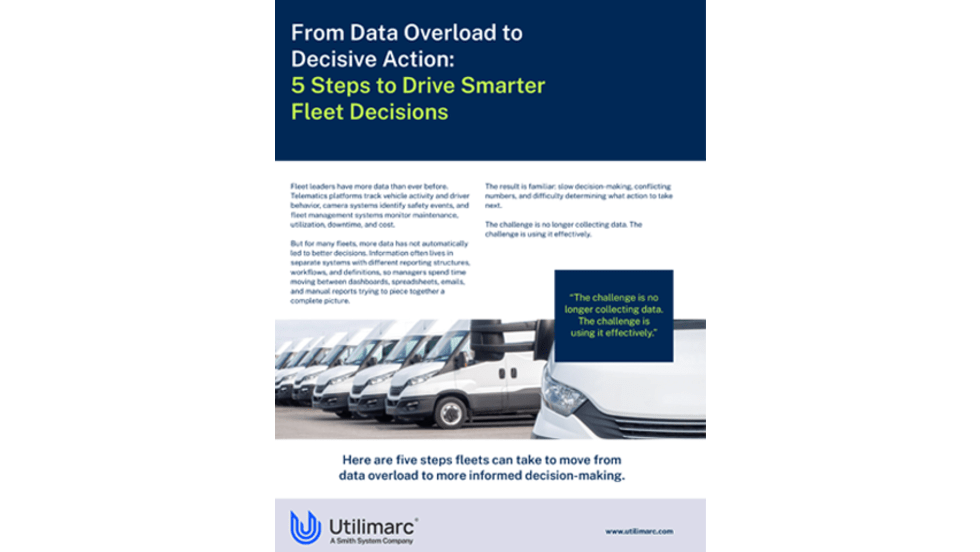
Turn Fleet Data Into Smarter Decisions
Fleet leaders have access to more operational data than ever, but disconnected systems and unclear metrics often slow decision-making instead of improving it. This article outlines five practical steps fleets can take to transform fragmented data into actionable insights that improve planning, safety, utilization, and long-term performance.
Read More →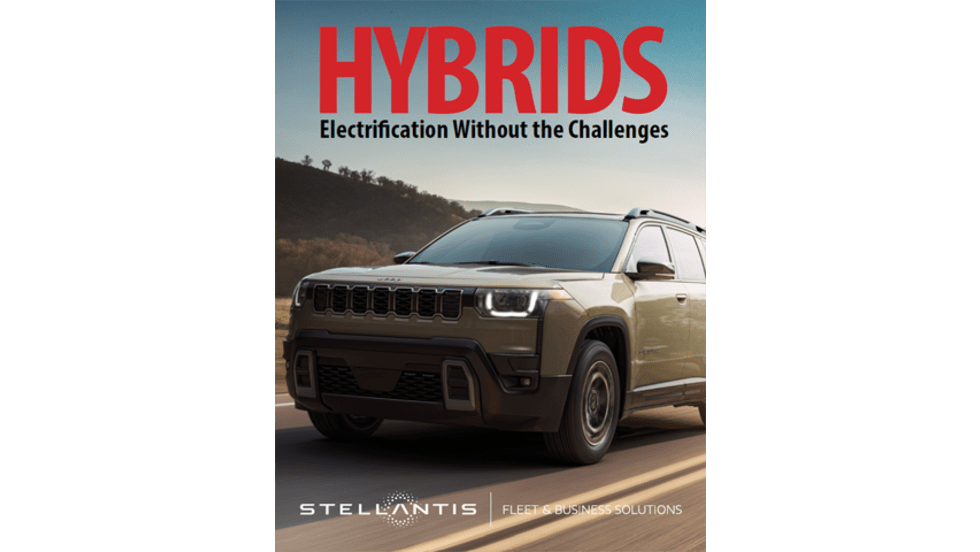
Hybrids: Electrification Without the Challenges
For fleet managers, fuel is one of the biggest line items in the budget — and it's one hybrids can shrink without changing how your people work. Download the eBook to see the numbers, understand the technology, and get a step-by-step guide to making the switch.
Read More →
How NOV Uses Telematics to Improve Fleet Safety Across 160 Locations
James Victory of NOV discusses how the company manages fleet safety, maintenance, and telematics across more than 150 locations supporting oilfield operations throughout the U.S.
Read More →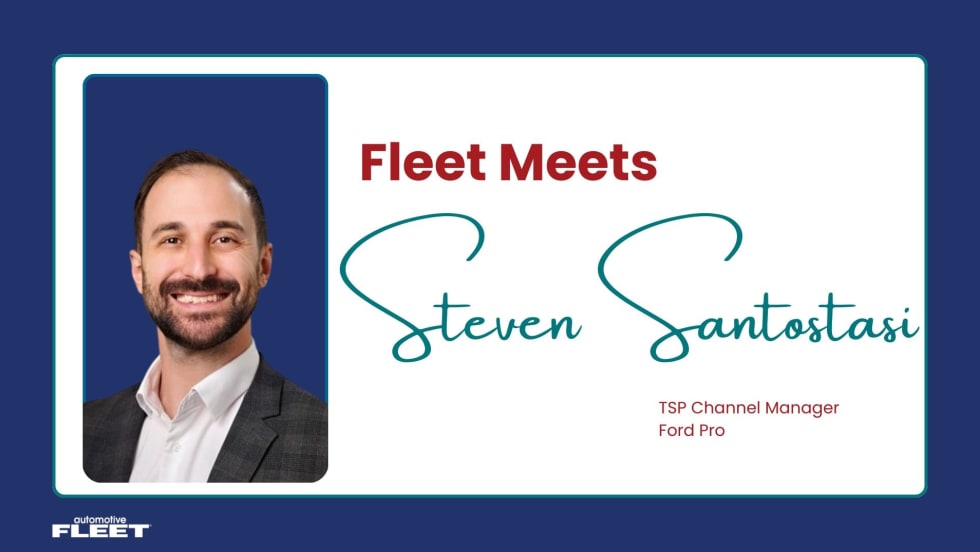
Fleet Meets: Steven Santostasi
This edition of the Fleet Meets series features Steven Santostasi, the current TSP channel manager for Ford Pro.
Read More →
Why Fleet Managers Are Replacing Departmental Vehicles with Shared Motor Pools
Departmentally assigned vehicles often create hidden costs through underutilization, poor visibility, and increased administrative burden. This white paper explores how shared motor pool strategies help fleets reduce costs, improve accountability, and optimize vehicle utilization.
Read More →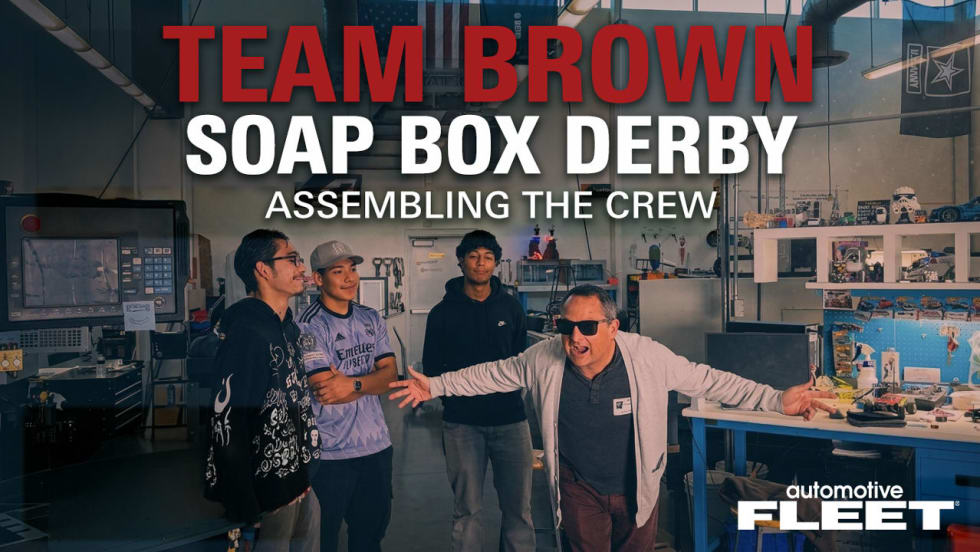
Soap Box Derby Challenge: Assembling the Crew
Meet Gabriel, Matthew, and Angel — the team helping bring this soap box derby build to life.
Read More →
BBL Fleet Acquires Velcor Leasing Corporation
BBL Fleet expanded its footprint in the fleet management industry with the acquisition of Velcor Leasing Corporation of Madison through a stock purchase agreement finalized Feb. 27, 2026.
Read More →