




Ford to Demonstrate Smart Electrification Technology
DEARBORN, MI -- Ford Motor Co. said that as part of its continuing research into how cloud-based technology can make vehicles smarter, the company will publicly demonstrate the technology during the 18th World Congress on Intelligent Transport Systems this week in Orlando.
DEARBORN, MI -- Ford Motor Co. said that as part of its continuing research into how cloud-based technology can make vehicles smarter, the company will publicly demonstrate the technology during the 18th World Congress on Intelligent Transport Systems this week in Orlando.
Ford Executive Chairman Bill Ford will be a featured conference speaker and talk about the future of transportation. He will emphasize how intelligent vehicles and innovations such as smart electrification can help solve emerging transportation issues on roads around the world.
Meanwhile, Ford researchers and engineers will showcase technology designed to personalize the driving experience that is centered on three areas of cloud-based innovation: intelligent routing, intelligent driving and intelligent operation.
“With this technology we are talking about pure customer benefit – creating the right individualized and optimized experience for each person, vehicle and situation,” said Paul Mascarenas, chief technical officer and vice president of Ford research and innovation. “As our transportation system evolves – say, with lower emissions zones – the research we are doing now will help us meet the future needs of our customers. For example, cars could one day adapt their powertrain performance to these types of varying driving conditions.”
At the Google I/O conference in May, Ford introduced its research and innovation into using the cloud to predict driver behavior in order to optimize vehicle control systems and improve vehicle performance attributes such as fuel or hybrid-electric efficiency.
“Ford already offers cloud-based services through Ford SYNC, but those services thus far have been used for infotainment, navigation and real-time traffic purposes to empower the driver,” said Ryan McGee, technical expert in vehicle controls architecture and algorithm design at Ford Research and Innovation. He will be presenting during the conference.
“This technology has the potential to empower our vehicles to anticipate a driver's needs for various reasons, such as optimizing a vehicle’s powertrain efficiency,” McGee said.
In the example that will be featured at the World Congress on Intelligent Transport Systems, researchers will show how a prototype Escape Plug-In Hybrid (PHEV) could use a combination of cloud-based and proprietary technology to learn when to switch from being gasoline-powered to all-electric upon entering a lower emissions zone. Cities such as London, Berlin and Stockholm already have such zones.
McGee said if a vehicle could predict exactly when it might be entering such a zone, it could optimize itself to comply with regulations and at the same time optimize energy usage over the total distance of the route by switching the engine to all-electric mode at specific times.
Work is now under way to study the feasibility of incorporating variables such as driver style and habits into the optimization process, so Ford can further enhance vehicle control systems and allow car and driver to work together to maximize energy efficiency, the automaker said.
Integral to this work is personal information security.
“We realize the nature of this research includes the use of personal data and location awareness, something we are committed to protecting for our customers in everything we do. Features like this would be offered on an ‘opt-in’ basis, leaving the decision to participate up to our customers,” said Johannes Kristinsson, system architect for vehicle controls architecture and algorithm design at Ford Research and Innovation.
More Green Fleet
EV Charging Use Is Outpacing Infrastructure Growth
ChargePoint’s 2026 Charging Forward Report points to rising charger use, higher-powered charging, commercial vehicle electrification, and energy-management technology. Here’s what fleets should know.
Read More →
Merchants Fleet Reports 290M EV Miles as Fleets Navigate Changing Electrification Market
From millions in operating savings to hundreds of millions of EV miles, Merchants Fleet’s latest report reveals what’s working and what’s changing in fleet electrification.
Read More →
The EV Breakdown Nobody's Talking About: Why Most Electric Vehicle Roadside Calls Aren't Mechanical Failures
Here's why EV breakdowns are widely misunderstood.
Read More →
ChargePoint Now Available in Energy Pass
ChargePoint and additional planned charging network integrations were added to GM's Energy Pass.
Read More →
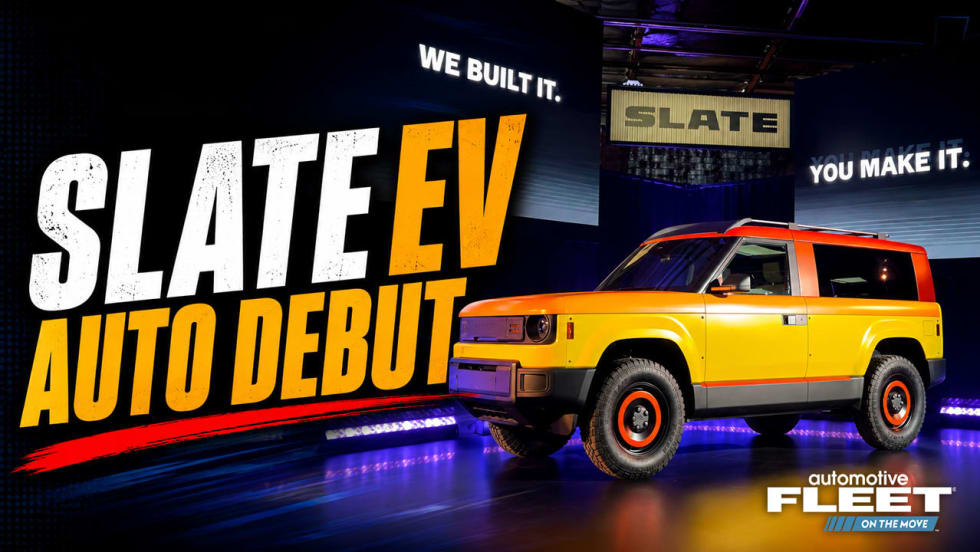
First Look: Slate Auto's Electric Fleet Pickup
Could an affordable, modular EV pickup make electrification more practical for fleets?
Read More →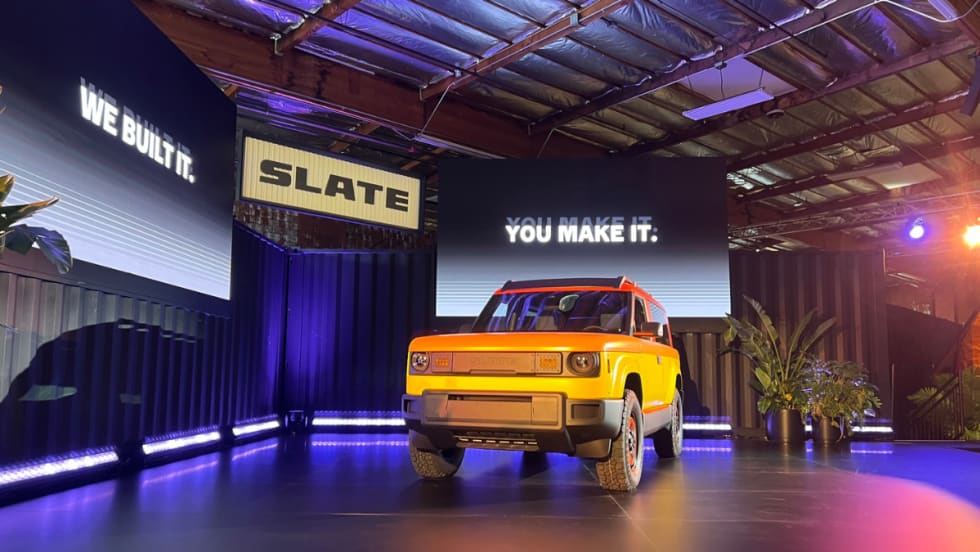
Slate Debuts Colorful, Unique EV Models
A recent media and client event, studded with electric vehicles dressed up on platforms, planted a new position for the manufacturer in the wider EV market. Fleets will find cost-saving advantages.
Read More →
Slate Electric SUV, Pickup Switchable Model Aims For Light-Duty Fleets
Everything about this EV is counterintuitive and understated, making it stand out from the crowd.
Read More →
Inspiration Mobility Acquires Key Electrada Assets
Inspiration Mobility Group has acquired select assets of Electrada, adding the fleet electrification provider's team, technology, and charging infrastructure development capabilities to its energy management business.
Read More →
Turning Connected Vehicle Data Into Decisions That Matter
Fleet leaders have more data than ever, but turning that data into clear, actionable decisions remains a challenge. This white paper shows how leading organizations are using connected vehicle data to improve safety, reduce costs, and optimize fleet performance. Learn how to turn insight into action across your fleet.
Read More →