




Ford to Calibrate Systems on 2013-MY and Later Hybrids to Boost Fuel Economy
Ford plans to adjust vehicle systems to improve the on-road fuel economy of its 2013-MY hybrids sold in the U.S. and Canada beginning in August. Models to receive the updates include the C-MAX Hybrid, the Fusion Hybrid, and the Lincoln MKZ Hybrid.
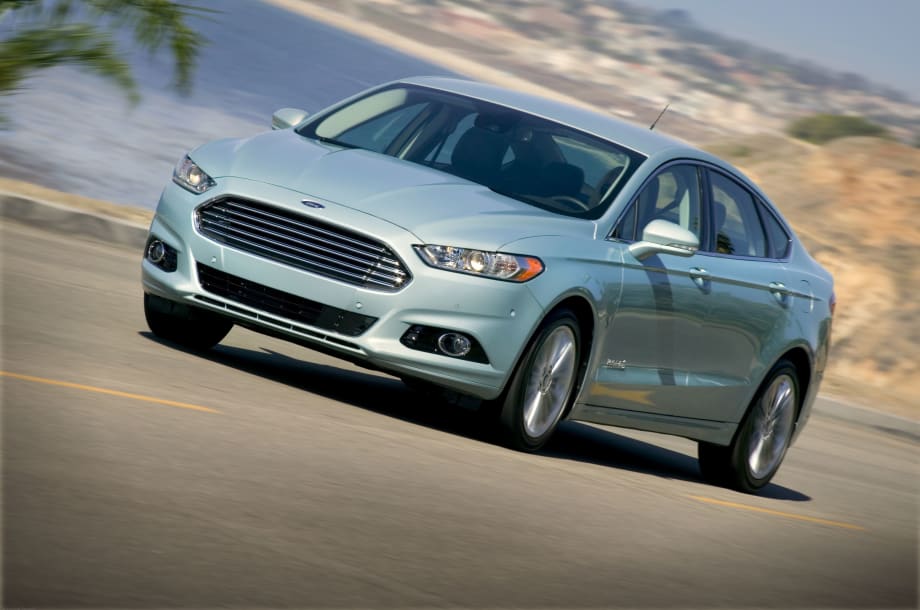
The 2013 Ford Fusion Hybrid.

The 2013 Ford Fusion Hybrid.
Ford plans to adjust vehicle systems to improve the on-road fuel economy of its 2013-MY hybrids sold in the U.S. and Canada beginning in August. Models to receive the updates include the C-MAX Hybrid, the Fusion Hybrid, and the Lincoln MKZ Hybrid. Systems on 2014-MY and later vehicles will be calibrated at the new settings from the factory.
These changes include a number of adjustments. The company first plans to increase the maximum electric-only speed from 62 mph to 85 mph, allowing for longer electric-only mode usage on highways. Next, Ford said it will optimize the use of these active grille shutters to reduce aerodynamic drag under a wider range of driving conditions, including in cold weather, when the driver is using the air conditioning, and when the engine coolant temperature is higher.
Next, Ford said it will reduce the electric fan speed, based on coolant temperature, to minimize the fan’s energy use. Other changes include reducing the engine’s warm-up time by up to 50 percent to enable electric-only driving mode use and engine shutdown at stops sooner after cold starts, and optimizing these vehicles’ climate control systems to minimize use of the air conditioning system’s compressor and the amount of energy the system uses in cold weather conditions.
“Just as individual mileage can vary based on driving styles and environmental conditions, we expect fuel economy improvements will differ from customer to customer depending on individual driving habits,” said Raj Nair, group vice president, Global Product Development, for Ford. “Customers should see the most improvement at highway speeds, during air conditioner use and operation in colder climates.”
Ford also said it plans to invest more in its electrification engineering team, with plans to grow it to 500 salaried employees this year, and is investing an additional $50 million in product development and testing centers in Dearborn for electrified vehicles. The company also said it will double its electrification battery-testing capabilities by the end of the year in order to speed up hybrid and electric vehicle development by as much as 25 percent.
Automotive Fleet reached out to Ford to find out what fleet buyers should do to ensure their vehicles receive these updates and is waiting on official information from the company.
More Green Fleet
EV Charging Use Is Outpacing Infrastructure Growth
ChargePoint’s 2026 Charging Forward Report points to rising charger use, higher-powered charging, commercial vehicle electrification, and energy-management technology. Here’s what fleets should know.
Read More →
Merchants Fleet Reports 290M EV Miles as Fleets Navigate Changing Electrification Market
From millions in operating savings to hundreds of millions of EV miles, Merchants Fleet’s latest report reveals what’s working and what’s changing in fleet electrification.
Read More →
The EV Breakdown Nobody's Talking About: Why Most Electric Vehicle Roadside Calls Aren't Mechanical Failures
Here's why EV breakdowns are widely misunderstood.
Read More →
ChargePoint Now Available in Energy Pass
ChargePoint and additional planned charging network integrations were added to GM's Energy Pass.
Read More →

First Look: Slate Auto's Electric Fleet Pickup
Could an affordable, modular EV pickup make electrification more practical for fleets?
Read More →
Slate Debuts Colorful, Unique EV Models
A recent media and client event, studded with electric vehicles dressed up on platforms, planted a new position for the manufacturer in the wider EV market. Fleets will find cost-saving advantages.
Read More →
Slate Electric SUV, Pickup Switchable Model Aims For Light-Duty Fleets
Everything about this EV is counterintuitive and understated, making it stand out from the crowd.
Read More →
Inspiration Mobility Acquires Key Electrada Assets
Inspiration Mobility Group has acquired select assets of Electrada, adding the fleet electrification provider's team, technology, and charging infrastructure development capabilities to its energy management business.
Read More →
Turning Connected Vehicle Data Into Decisions That Matter
Fleet leaders have more data than ever, but turning that data into clear, actionable decisions remains a challenge. This white paper shows how leading organizations are using connected vehicle data to improve safety, reduce costs, and optimize fleet performance. Learn how to turn insight into action across your fleet.
Read More →