




Ford: Research Led to EV Charge Port Placement
DEARBORN, MI – When owners of the Ford Focus Electric or C-MAX Energi plug-in hybrid charge up their cars, they’ll walk over to the left front area of the car. According to Ford, the decision to place the charge port there was the result of much research.
DEARBORN, MI – When owners of the Ford Focus Electric or C-MAX Energi plug-in hybrid charge up their cars, they’ll walk over to the left front area of the car. According to Ford, the decision to place the charge port there was the result of much research.
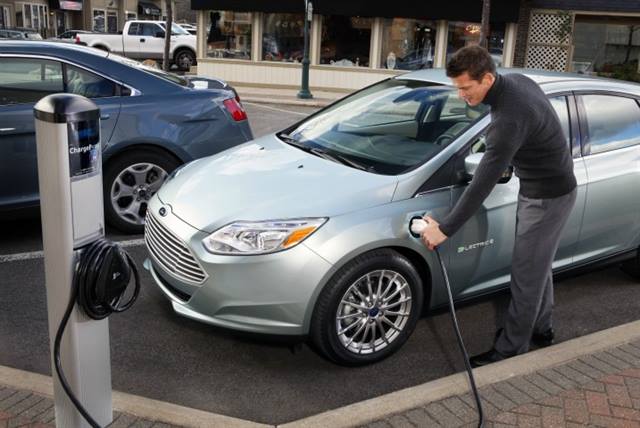
Ford has opted to place its EV and plug-in hybrid charge ports on the driver side
“After benchmarking multiple competitive vehicles, we found there wasn’t much consistency in charge port location,” said Susan Curry, Ford electrified vehicle technology integration supervisor. “We wanted to give customers a location that made the most sense for them and would seem as simple as filling up at the gas station.”
Finding the optimal charge port location may seem inconsequential. However, an electric vehicle owner is likely to plug in or disconnect his or her car four times a day, or nearly 1,500 times a year, Ford said. This is compared to the once a week or 52 times a year frequency of filling up a gas tank.
The team used market research to find out how customers expected to charge up. The research showed most customers would charge their vehicle at home, which was helpful in determining the best place for the port. Feedback also indicated the location should be kept out of areas with high risk of damage in the event of small crashes. This was a driving factor in the choice of the side of the vehicle rather than the front or rear.
To meet customer usage patterns, engineers considered the driver side, the passenger side and the front and rear of the vehicle. Placement in the front could have created problems with customers having to bend down to plug in or out, snow packing, dead insects or debris, and potential damage from car accidents. The rear of the vehicle would have invited the same issue, with damage from fender benders, as well as less accessibility when trying to connect to a charging station, according to Ford.
“The left front fender location keeps the charge port in sight, before the customer enters or exits the car, for an easy reminder to unplug or recharge,” said Mary Smith, Ford electrified vehicle technology integration supervisor. “It creates an intuitive placement for owners that also has aesthetic appeal.”
The demonstration fleet of Ford Escape plug-in hybrid electric vehicles also uses the driver side of the vehicle for the charge port. Engineers received positive feedback from customers on that placement.
The Ford Escape plug-in hybrid demo fleet has logged more than 400,000 miles.
Electrification is an important piece of Ford’s overall product sustainability strategy, which includes the launch of five electrified vehicles in North America by 2012 and in Europe by 2013. Ford launched the Transit Connect Electric small commercial van in 2010 and will launch the all-new Focus Electric later this year. In 2012, these models will be joined in North America by the new C-MAX Hybrid, a second next-generation lithium-ion battery hybrid and C-MAX Energi plug-in hybrid.
More Green Fleet
EV Charging Use Is Outpacing Infrastructure Growth
ChargePoint’s 2026 Charging Forward Report points to rising charger use, higher-powered charging, commercial vehicle electrification, and energy-management technology. Here’s what fleets should know.
Read More →
Merchants Fleet Reports 290M EV Miles as Fleets Navigate Changing Electrification Market
From millions in operating savings to hundreds of millions of EV miles, Merchants Fleet’s latest report reveals what’s working and what’s changing in fleet electrification.
Read More →
The EV Breakdown Nobody's Talking About: Why Most Electric Vehicle Roadside Calls Aren't Mechanical Failures
Here's why EV breakdowns are widely misunderstood.
Read More →
ChargePoint Now Available in Energy Pass
ChargePoint and additional planned charging network integrations were added to GM's Energy Pass.
Read More →

First Look: Slate Auto's Electric Fleet Pickup
Could an affordable, modular EV pickup make electrification more practical for fleets?
Read More →
Slate Debuts Colorful, Unique EV Models
A recent media and client event, studded with electric vehicles dressed up on platforms, planted a new position for the manufacturer in the wider EV market. Fleets will find cost-saving advantages.
Read More →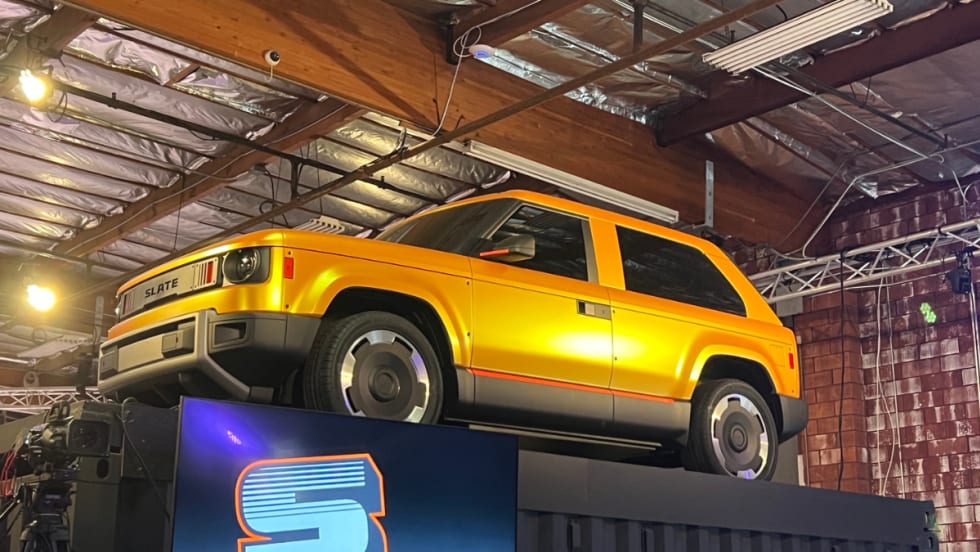
Slate Electric SUV, Pickup Switchable Model Aims For Light-Duty Fleets
Everything about this EV is counterintuitive and understated, making it stand out from the crowd.
Read More →
Inspiration Mobility Acquires Key Electrada Assets
Inspiration Mobility Group has acquired select assets of Electrada, adding the fleet electrification provider's team, technology, and charging infrastructure development capabilities to its energy management business.
Read More →
Turning Connected Vehicle Data Into Decisions That Matter
Fleet leaders have more data than ever, but turning that data into clear, actionable decisions remains a challenge. This white paper shows how leading organizations are using connected vehicle data to improve safety, reduce costs, and optimize fleet performance. Learn how to turn insight into action across your fleet.
Read More →