




Ford Expands Charging Providers to Surpass 106,000 Chargers
Ford is undergoing an expansion update of more than 22,000 chargers with BlueOval, and is adding new charging providers Francis Energy, Blink, and Red E.

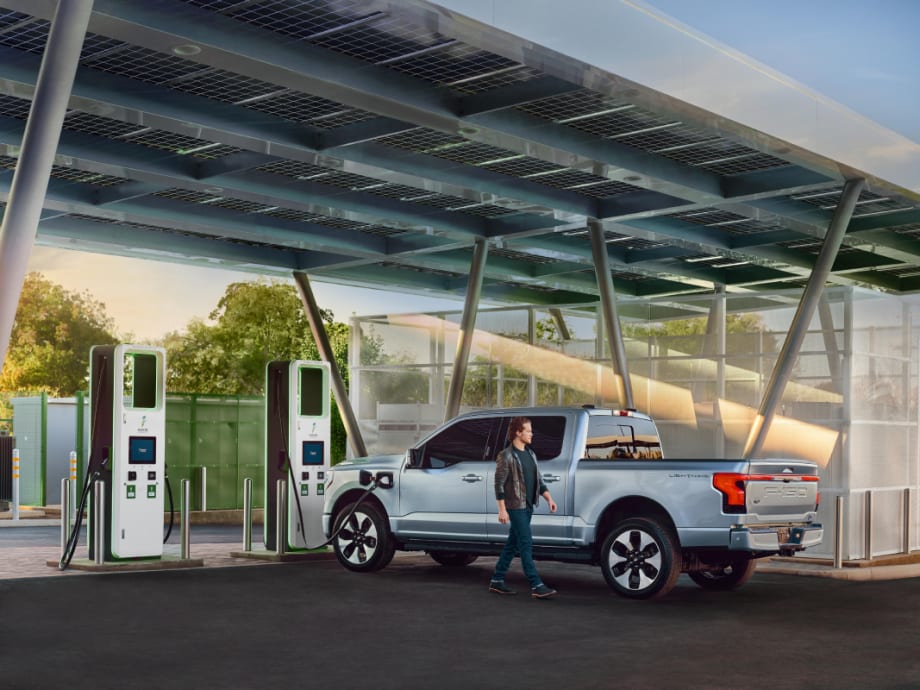
The network now includes access to more than 11,800 fast-chargers, with plans for significant additional DC fast-charger growth starting in the Spring of 2024.
Photo: Ford
Ford announced on Oct. 24 an expansion update of more than 22,000 chargers to the BlueOval Charge Network, bringing the new network total to more than 106,000 chargers.
The company is now adding access to three new charging providers: Francis Energy, Blink, and soon-to-be Red E, further expanding convenient charging options for Ford EV customers across the U.S. and Canada with embedded charger routing and payment options via the FordPass app.
The addition of the new charging providers, along with continued growth from existing charging network participants, includes more than 1,700 new DC fast chargers and more than 20,300 Level 2 chargers since Ford’s last charger count update in May.
The network now includes access to more than 11,800 fast-chargers, with plans for additional DC fast-charger growth starting in the spring of 2024.
The addition of Blink, Francis Energy, and Red E brings more than 10,000 new chargers to the network, including more than 550 new DC fast chargers.
The remaining BlueOval Charge Network expansion comes from steady growth from existing charging network providers, which include Shell Recharge Solutions, Electrify America, ChargePoint, EVgo, EV Connect, FLO, and Electric Circuit.
“With the addition of the Tesla Supercharger Network along with new fast chargers coming to Ford Model e dealerships in 2024, we are working hard to make range anxiety a thing of the past for Ford all-electric drivers,” said Bill Crider, senior director of global charging and energy services at Ford Motor Company in a recent press release.
A Growing Public Charging Network
The BlueOval Charge Network provides Ford EV drivers with access to a variety of charging providers without the need for multiple apps and memberships.
The network provides one seamless stored payment account through the FordPass app, or the in-vehicle’s touchscreen via Charge Assist, which eliminates the need for onsite credit card use. Once owners have created a BlueOval Charge Network account, they can then select, activate, and pay for charging by using the FordPass find chargers function.
For commercial customers who need to charge on the go at a public charger, payment, and billing will continue to operate seamlessly with Ford Pro intelligence software. The software enables fleet operators to easily set up a single public charge management account for centralized billing, charging logs, and monthly invoicing, allowing them to manage charging costs no matter where their drivers power up.
Ford also is sharing an increase to the estimated number of Tesla Superchargers being added to the BlueOval Charge Network next year from 12,000 previously announced to more than 15,000 and growing. These chargers will be available next spring to Ford EV customers via an adapter, which will become available early next year. Pricing is yet to be announced.
Additionally, Ford Model e dealers are adding public-facing fast-chargers to dealerships across the U.S. and Canada, providing new locations to the BlueOval Charge Network by early next year.
More Green Fleet
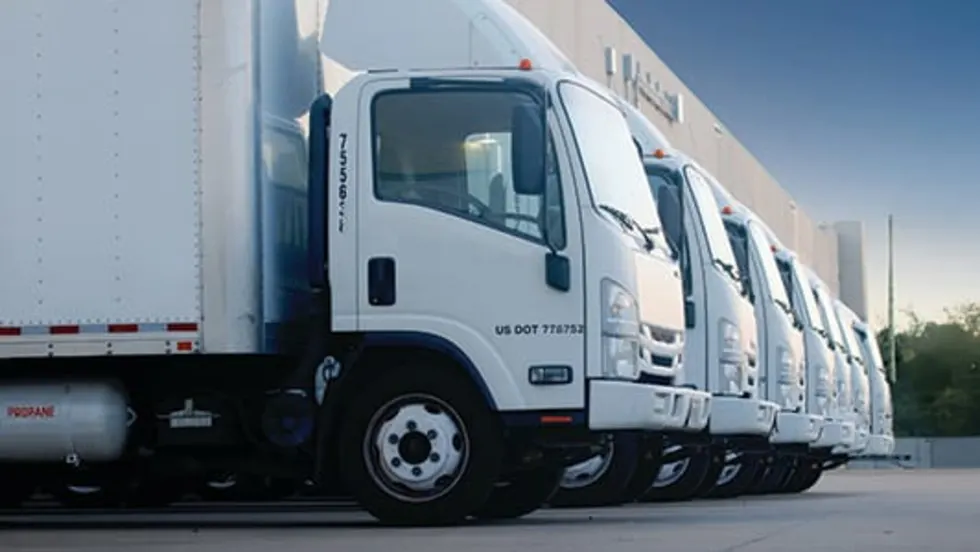
New Propane Autogas Program Offers Fleet Compensation
Qualified commercial fleets can receive $7,500 per eligible propane autogas vehicle and up to $10,000 for new refueling site prep. Learn how the program works and see whether your fleet qualifies.
Read More →
EV Charging Use Is Outpacing Infrastructure Growth
ChargePoint’s 2026 Charging Forward Report points to rising charger use, higher-powered charging, commercial vehicle electrification, and energy-management technology. Here’s what fleets should know.
Read More →
Merchants Fleet Reports 290M EV Miles as Fleets Navigate Changing Electrification Market
From millions in operating savings to hundreds of millions of EV miles, Merchants Fleet’s latest report reveals what’s working and what’s changing in fleet electrification.
Read More →

The EV Breakdown Nobody's Talking About: Why Most Electric Vehicle Roadside Calls Aren't Mechanical Failures
Here's why EV breakdowns are widely misunderstood.
Read More →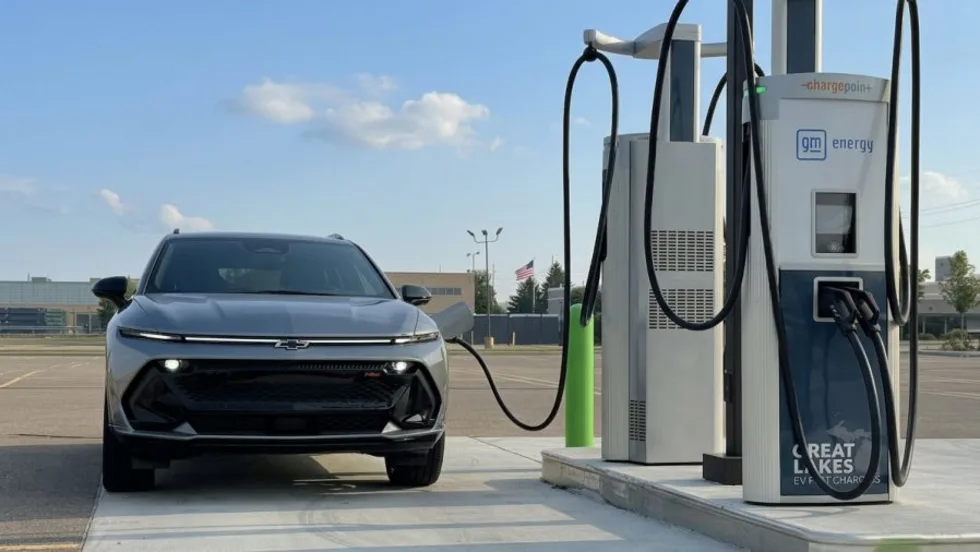
ChargePoint Now Available in Energy Pass
ChargePoint and additional planned charging network integrations were added to GM's Energy Pass.
Read More →

First Look: Slate Auto's Electric Fleet Pickup
Could an affordable, modular EV pickup make electrification more practical for fleets?
Read More →
Slate Debuts Colorful, Unique EV Models
A recent media and client event, studded with electric vehicles dressed up on platforms, planted a new position for the manufacturer in the wider EV market. Fleets will find cost-saving advantages.
Read More →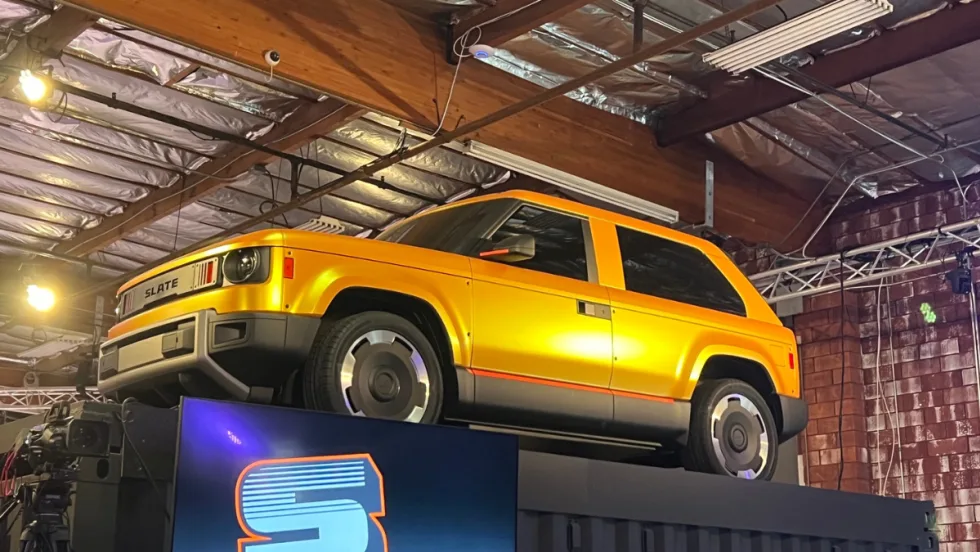
Slate Electric SUV, Pickup Switchable Model Aims For Light-Duty Fleets
Everything about this EV is counterintuitive and understated, making it stand out from the crowd.
Read More →
Inspiration Mobility Acquires Key Electrada Assets
Inspiration Mobility Group has acquired select assets of Electrada, adding the fleet electrification provider's team, technology, and charging infrastructure development capabilities to its energy management business.
Read More →