




Ford Develops Nighttime Pedestrian Detection Tech
In the U.S., the safety feature will debut on the 2018 Ford F-150 and Mustang.

Ford's improved Pedestrian Detection safety feature addresses a common fear among drivers: the risks of night blindness or striking a person or object after dark. Photo courtesy of Ford.

Ford's improved Pedestrian Detection safety feature addresses a common fear among drivers: the risks of night blindness or striking a person or object after dark. Photo courtesy of Ford.
Ford is introducing new technology designed to detect pedestrians at night and then automatically apply the brakes if the driver doesn’t respond to initial warnings.
The new pedestrian detection feature addresses a common fear among drivers, according to the automaker. Worries over night blindness and the possibility of hitting someone — or something — top a new Ford-commissioned poll about nighttime driving concerns in Europe.
“We know some drivers find hitting the road at night a stressful experience,” said Gregor Allexi, active safety engineer for Ford of Europe. “Especially driving in towns and cities, pedestrians — sometimes distracted by mobiles — can without warning step into the road, leaving even alert drivers very little time to avoid an accident. Day and night, Pedestrian Detection is designed to help identify people already in — or about to step into — the road ahead.”
Of thousands of drivers surveyed across Europe, 81% admit to being scared on the roads at night. That number rises to 87% for women. More than half say poor night vision is a source of stress, and more than a third worry they might be involved in an accident. One in five drivers surveyed highlighted fears that they may hit a pedestrian.
This is a global issue. In 2014, across Europe, more than one in five road fatalities were pedestrians. Almost half of them died following accidents that occurred after dark. In the U.S. in 2015, three in four motor vehicle-related pedestrian deaths occurred during dark hours, according to the National Highway Traffic Safety Administration.
To help develop the improved technology, the Ford team sent life-sized dummies into the path of vehicles on closed tracks at night. They tested the system on public roads in busy cities including Paris and Amsterdam.
Pedestrian Detection processes information from a radar located in the bumper and a windshield‑mounted camera. A database of “pedestrian shapes” enables the system to distinguish people from objects such as trees and road signs. The camera delivers more than 30 frames per second. The live video and viewing angle enable the system to pick out pedestrians, even in low-light conditions, illuminated only by the headlights.
If Pedestrian Detection identifies an imminent collision with a pedestrian, the system first provides audible and visual warnings to the driver. If the driver fails to respond, the system automatically applies the brakes.
Later this year, the more advanced Pedestrian Detection technology will be introduced on the next generation Fiesta in Europe. In North America, the new technology will debut first on the 2018 Ford F-150 and 2018 Ford Mustang.
More Safety
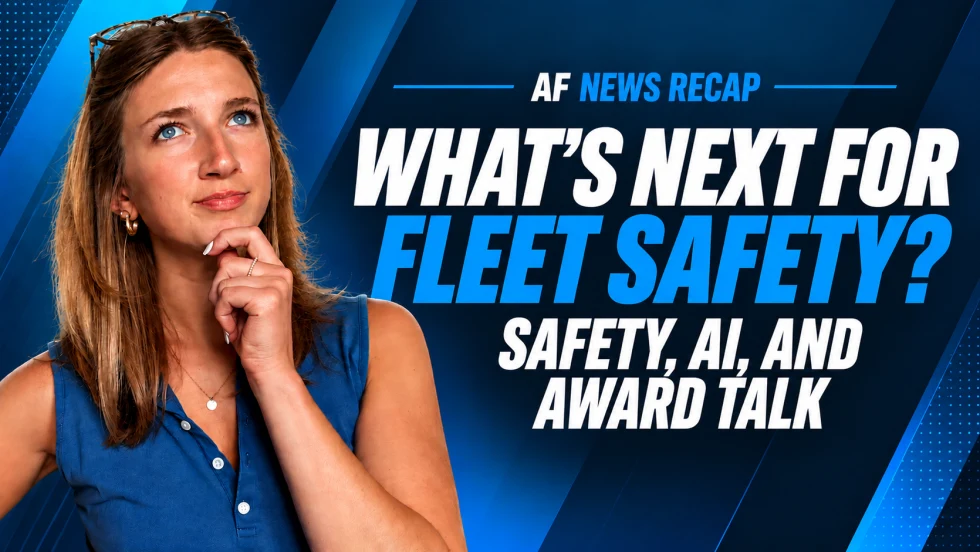
What’s Next for Fleet? Safety, AI & Industry Recognition | AF News Recap
Could your company's culture be encouraging distracted driving? This week, we're exploring how workplace expectations affect driver safety, what AI, EVs, and autonomous vehicles could mean for the future of fleet management, and how fleet professionals can strengthen their award nominations.
Read More →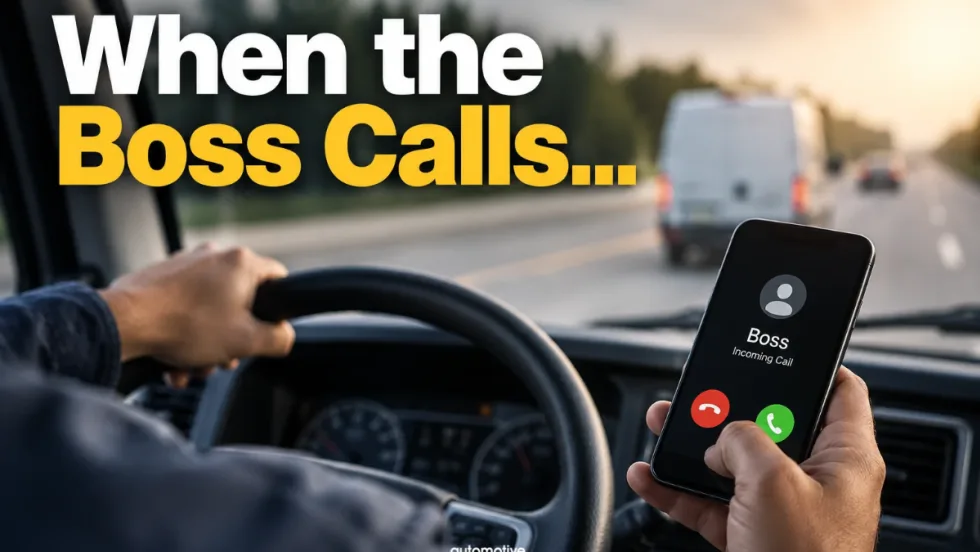
Does Your Fleet's Culture Encourage Distracted Driving?
What happens when the people responsible for enforcing safety rules are the ones setting the wrong example? The answer may reveal why some of the biggest risks to fleet drivers have little to do with what's written in the employee handbook.
Read More →
Fleet Manager’s Ultimate Playbook: Navigating the New Standard in OEM Connectivity
Rising operating costs, driver safety concerns, and unplanned downtime are putting unprecedented pressure on modern fleets. Discover how fleet managers use embedded OEM connectivity and real-time vehicle data to cut TCO, prevent downtime, and protect drivers without aftermarket telematics hardware.
Read More →
From Driver Well-Being to EV Charging | AF News Recap
Mental health belongs in the fleet safety conversation. This week, we’re looking at five ways fleets can support employee well-being before a crisis, plus Holman’s expansion in Mexico, new one-day Fleet Forward passes, and why EV charging demand is outpacing infrastructure growth.
Read More →
Nexar-Nauto Merger Aims to Give Fleets Better Safety Intelligence Through Larger Driving Dataset
Stefan Heck tells Automotive Fleet that combining more than 10 billion miles of driving history with Nexar's AI models will give fleets deeper insights into driver risk and roadway conditions than either company could provide independently.
Read More →
Don't Wait for a Crisis: 5 Ways to Build Mental Health Into Your Fleet Safety Program
For Suicide Prevention Month, fleet and safety leaders have an opportunity to put mental health where it belongs: at the center of workplace safety.
Read More →
How Camera Data Can Strengthen a Fleet’s Insurance Renewal
Insights from a commercial insurance carrier and a broker show how fleets can turn video telematic data, driver coaching, and improved claims results into a stronger case at insurance renewal.
Read More →
The Safest Fleets Aren’t the Ones with the Most Technology
You’ve made the telematics investment. Here’s how to capture the other half of its value and build the safest fleet on the road.
Read More →
Hidden in Plain Sight: Fleet Compliance Risks
Fleet compliance isn't just about having policies — it's about consistently enforcing them. This practical guide reveals six hidden compliance risks common in public sector and shared fleet operations and outlines proven strategies to improve visibility, accountability, and audit readiness
Read More →
NETS Sets 2026 Fleet Safety Benchmark Conference for Indianapolis
The Sept. 15–17 program will feature fleet benchmarking data, case studies, emerging technologies, and implementation strategies while running alongside the NSC Safety Congress & Expo.
Read More →