




Ford Develops EV-to-Grid Communications System
DEARBORN, MI - Ford Motor Co. said it has developed an intelligent vehicle-to-grid communications and control system for its plug-in hybrid electric vehicles that "talks" directly with the nation's electric grid.
DEARBORN, MI - Ford Motor Co. said it has developed an intelligent vehicle-to-grid communications and control system for its plug-in hybrid electric vehicles that "talks" directly with the nation's electric grid.
This new technology — which builds on Ford's advancements such as SYNC, SmartGauge with EcoGuide, and Ford Work Solutions — allows the vehicle operator to program when to recharge the vehicle, for how long and at what utility rate.
"Electric vehicles are an important element of our strategy for improving fuel economy and reducing CO2 emissions," said Bill Ford, Ford's executive chairman. "This vehicle-to-grid communication technology is an important step in the journey toward the widespread commercialization of electric vehicles."
All 21 of Ford's fleet of plug-in hybrid Escapes eventually will be equipped with the vehicle-to-grid communications technology. The first of the specially equipped plug-in hybrids has been delivered to American Electric Power of Columbus, Ohio. Ford's other utility partners' vehicles will also be equipped with the communications technology.
When plugged in, the battery systems of these specially equipped plug-in hybrids can communicate directly with the electrical grid via smart meters provided by utility companies through wireless networking. The owner uses the vehicle's touch screen navigation interface and Ford Work Solutions in-dash computer to choose when the vehicle should recharge, for how long and at what utility rate.
For example, a vehicle owner could choose to accept a charge only during off-peak hours between midnight and 6 a.m. when electricity rates are cheaper, or when the grid is using only renewable energy such as wind or solar power.
"We are designing what plug-in hybrids and battery electric vehicles will be capable of in the future," said Greg Frenette, manager of Ford's battery electric vehicle applications. "Direct communication between vehicles and the grid can only be accomplished through collaboration between automakers and utility companies, which Ford and its partners are demonstrating with this technology."
Over the past two years, Ford and its energy industry partners have logged more than 75,000 miles on the plug-in hybrid test fleet. The plug-in hybrid research focuses on four primary areas: battery technology, vehicle systems, customer usage and grid infrastructure.
"Broad commercialization of electric transportation is not something a car company can achieve on its own," said Nancy Gioia, Ford director of sustainable mobility technologies. "Developing and producing the vehicles is just one part of the electric transportation equation. We are well on our way to delivering the vehicles, but for widespread adoption the infrastructure to support the technology needs to be in place and we need to ensure that the national electric grid can support increased electric demand."
Real-world usage and laboratory research is helping to accelerate the advancement of electrified vehicles. Ford and its research partners are now focusing on ways to make the recharging process easy and efficient for consumers. In addition to low-cost recharging at home through the use of a smart meter, Ford researchers say recharging away from home -- whether at work, in a shopping mall parking lot or at a curbside station -- needs to be as simple as plugging in and swiping a credit card.
Plug-in hybrid vehicles offer several benefits, including:
-- Reduced dependency on petroleum and increased energy independence.
-- Reduced environmental impact through reductions in greenhouse gas emissions.
-- Increased use of electricity from renewable energy sources (e.g. wind and solar) for vehicle recharging.
-- Potential consumer cost savings on energy/fuel costs.
In 2007, Ford announced a partnership with Southern California Edison, the electric utility with the nation's largest and most advanced electric vehicle fleet. The partnership is designed to explore ways to make plug-in hybrids more accessible to consumers, reduce petroleum-related emissions and understand issues related to connectivity between vehicles and the electric grid.
Since then, Ford and Electric Power Research Institute (EPRI), an independent nonprofit organization, have expanded the partnership, with a three-year plan to develop and evaluate technical approaches for integrating PHEVs into the nation's electric grid system, a key requirement to facilitate widespread adoption of the vehicles.
More Green Fleet

EV Charging Use Is Outpacing Infrastructure Growth
ChargePoint’s 2026 Charging Forward Report points to rising charger use, higher-powered charging, commercial vehicle electrification, and energy-management technology. Here’s what fleets should know.
Read More →
Merchants Fleet Reports 290M EV Miles as Fleets Navigate Changing Electrification Market
From millions in operating savings to hundreds of millions of EV miles, Merchants Fleet’s latest report reveals what’s working and what’s changing in fleet electrification.
Read More →
The EV Breakdown Nobody's Talking About: Why Most Electric Vehicle Roadside Calls Aren't Mechanical Failures
Here's why EV breakdowns are widely misunderstood.
Read More →
ChargePoint Now Available in Energy Pass
ChargePoint and additional planned charging network integrations were added to GM's Energy Pass.
Read More →

First Look: Slate Auto's Electric Fleet Pickup
Could an affordable, modular EV pickup make electrification more practical for fleets?
Read More →
Slate Debuts Colorful, Unique EV Models
A recent media and client event, studded with electric vehicles dressed up on platforms, planted a new position for the manufacturer in the wider EV market. Fleets will find cost-saving advantages.
Read More →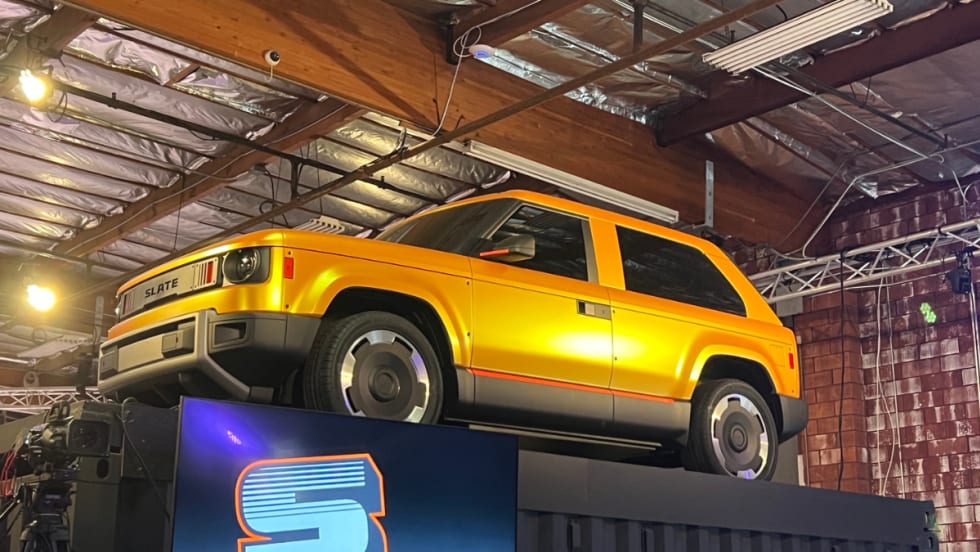
Slate Electric SUV, Pickup Switchable Model Aims For Light-Duty Fleets
Everything about this EV is counterintuitive and understated, making it stand out from the crowd.
Read More →
Inspiration Mobility Acquires Key Electrada Assets
Inspiration Mobility Group has acquired select assets of Electrada, adding the fleet electrification provider's team, technology, and charging infrastructure development capabilities to its energy management business.
Read More →
Turning Connected Vehicle Data Into Decisions That Matter
Fleet leaders have more data than ever, but turning that data into clear, actionable decisions remains a challenge. This white paper shows how leading organizations are using connected vehicle data to improve safety, reduce costs, and optimize fleet performance. Learn how to turn insight into action across your fleet.
Read More →