




Ford Continues to Expand CNG/LPG-Ready Offerings for Fleet Customers
In response to increased customer demand for compressed natural gas (CNG) and liquefied petroleum gas (LPG) ready vehicles, Ford has expanded its portfolio of product offerings in this alternative-fuel market segment.
Sales of Ford vehicles capable of running on compressed natural gas or propane autogas have reached record levels, as businesses and commercial customers seek relief from constantly fluctuating gas prices.
In response to increased customer demand for compressed natural gas (CNG) and liquefied petroleum gas (LPG) ready vehicles, Ford has expanded its portfolio of product offerings in this growing alternative-fuel market segment.
Since 2009, we’ve seen the number of Built Ford Tough commercial vehicles sold with factory-prepped engines for CNG/LPG upfit increase by more than 350 percent,” said Jon Coleman, Ford Fleet Sustainability and Technology manager. “To expand power of choice for our commercial customers, we are offering CNG/LPG prepped engines in additional vehicle nameplates – from the Transit Connect compact van up to medium-duty F-650 models.”
Companies and fleet customers are also making long-term commitments to CNG. The City of Indianapolis has committed to shifting its cars, heavy trucks, and police cruisers to a mix of electricity and natural gas, aiming to eliminate use of conventional gas and diesel fuels by 2025.
Ford will offer the all-new Transit range of full-size vans, wagons, cutaway, and chassis cab models powered by a 3.7L V-6 equipped with a CNG/LPG prep kit to assist customers running their vehicles with these clean fuels.
Transit joins the current compact Transit Connect van, wagon, and taxi lineup; Ford Super Duty pickups; stripped chassis, E-Series vans, wagons and cutaways; and medium-duty F-450, F-550, and F-650 variants in offering factory-prepped engines for CNG/LPG conversion.
The next generation of the Transit Connect range will add yet another CNG-ready engine when it goes on sale later this year, offering a 2.5L four-cylinder that the automaker said is more responsive and fuel efficient due to its use of intake-variable camshaft timing.
Each Ford engine that is factory-prepped for gaseous conversion comes equipped with hardened valves and valve seats, and Super Duty trucks equipped with the 6.2L V-8 feature a unique bi-fuel intake manifold to accommodate these cleaner-burning fuels.
CNG/LPG engine prep from the factory costs approximately $325 before the customer chooses a partner to supply fuel tanks, fuel lines, and unique fuel injectors. Upfits run approximately $9,500 to $12,500, depending on fuel tank capacity.
Ford is collaborating with qualified upfitters to deliver completed vehicles under its Qualified Vehicle Modifier program.
More Green Fleet

Merchants Fleet Reports 290M EV Miles as Fleets Navigate Changing Electrification Market
From millions in operating savings to hundreds of millions of EV miles, Merchants Fleet’s latest report reveals what’s working and what’s changing in fleet electrification.
Read More →
The EV Breakdown Nobody's Talking About: Why Most Electric Vehicle Roadside Calls Aren't Mechanical Failures
Here's why EV breakdowns are widely misunderstood.
Read More →
ChargePoint Now Available in Energy Pass
ChargePoint and additional planned charging network integrations were added to GM's Energy Pass.
Read More →
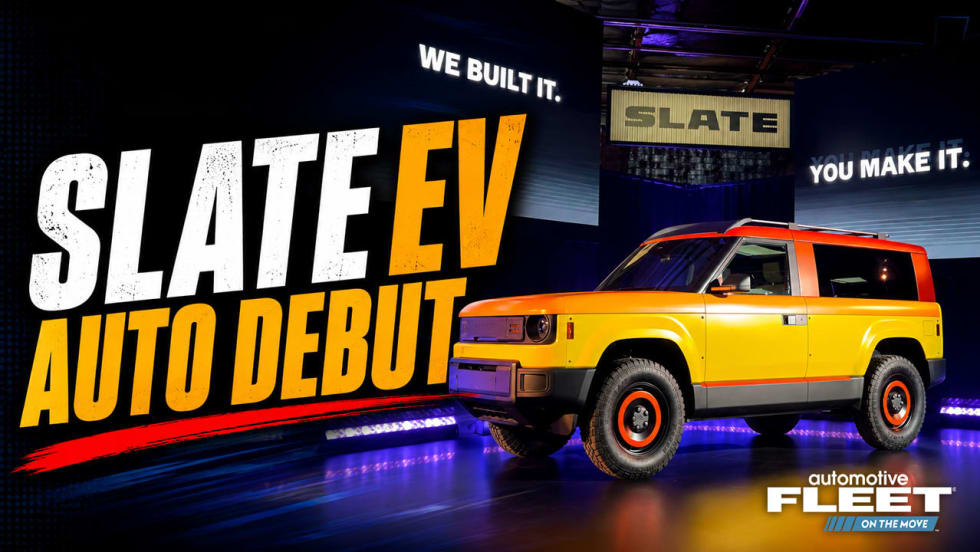
First Look: Slate Auto's Electric Fleet Pickup
Could an affordable, modular EV pickup make electrification more practical for fleets?
Read More →
Slate Debuts Colorful, Unique EV Models
A recent media and client event, studded with electric vehicles dressed up on platforms, planted a new position for the manufacturer in the wider EV market. Fleets will find cost-saving advantages.
Read More →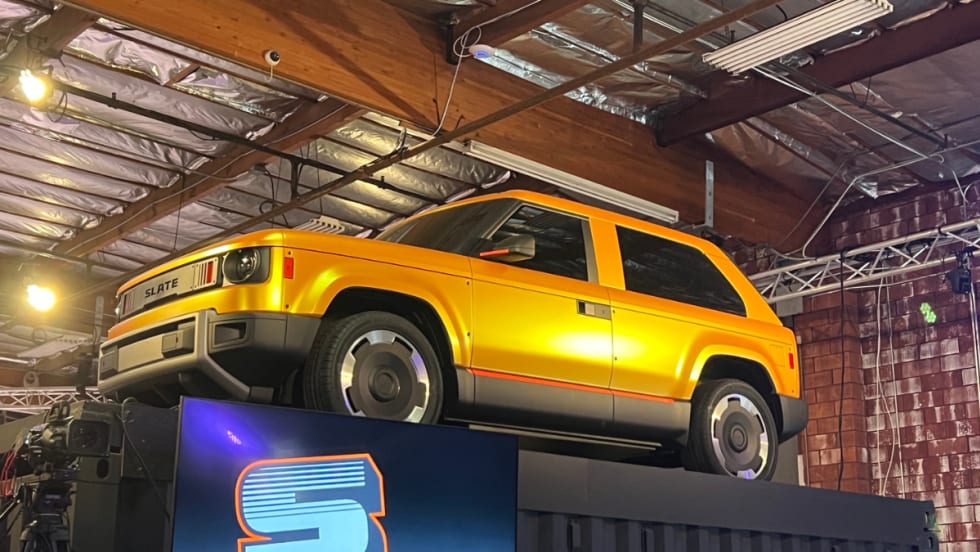
Slate Electric SUV, Pickup Switchable Model Aims For Light-Duty Fleets
Everything about this EV is counterintuitive and understated, making it stand out from the crowd.
Read More →
Inspiration Mobility Acquires Key Electrada Assets
Inspiration Mobility Group has acquired select assets of Electrada, adding the fleet electrification provider's team, technology, and charging infrastructure development capabilities to its energy management business.
Read More →
Turning Connected Vehicle Data Into Decisions That Matter
Fleet leaders have more data than ever, but turning that data into clear, actionable decisions remains a challenge. This white paper shows how leading organizations are using connected vehicle data to improve safety, reduce costs, and optimize fleet performance. Learn how to turn insight into action across your fleet.
Read More →
Are You Tracking Your Fleet's True Total Cost of Ownership?
Bobit Business Media surveyed 190 fleet professionals and found that while most fleets are tracking costs, fragmented systems and data gaps are keeping true TCO visibility out of reach. With rising pressure to control spend in an increasingly volatile environment, the gap between what fleets think they know and what the data actually shows is wider than you might expect. See how your peers are managing costs today and where the industry still has room to improve.
Read More →