




Ford Approves Trio of Shell Oils for Diesel Trucks
Ford Motor Company has officially approved three Shell Rotella diesel oils for use in its Super Duty trucks that comply with the API CK-4 specification.
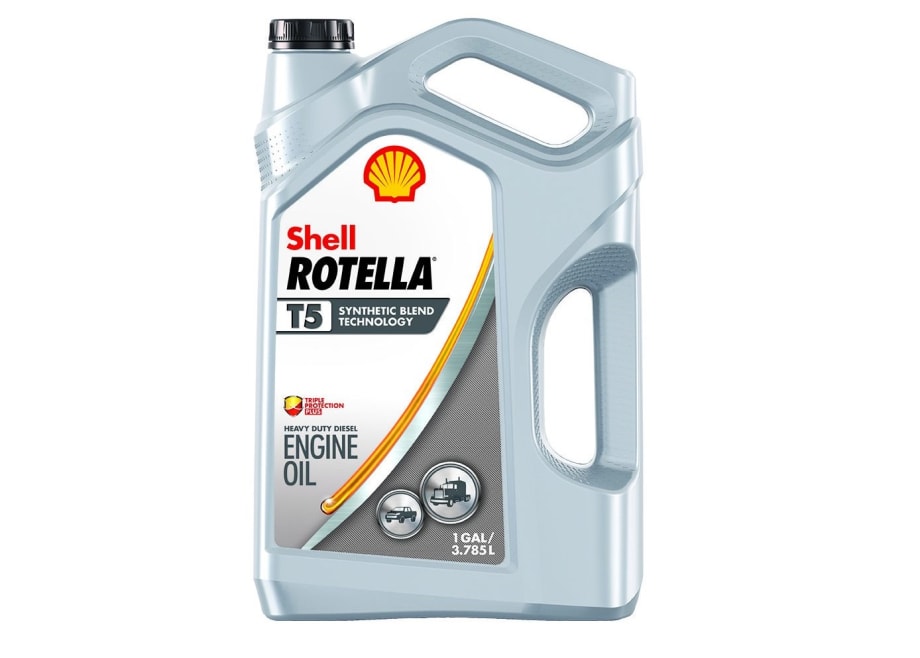
Shell's T5 10W-30 Synthetic Blend is one of the three Shell oils approved for Ford's Super Duty trucks that meet the API CK-4 specification. Photo: Shell Rotella
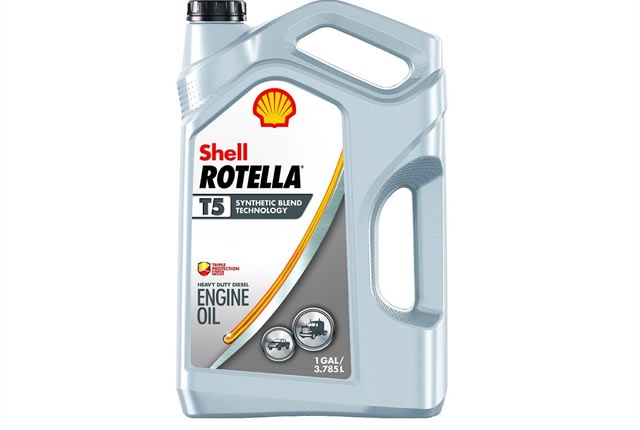
Shell's T5 10W-30 Synthetic Blend is one of the three Shell oils approved for Ford's Super Duty trucks that meet the API CK-4 specification.Photo: Shell Rotella
Ford Motor Co. has approved three Shell Rotella heavy-duty engine oils for its diesel-powered Super Duty trucks that meet the API CK-4 specification, Shell has announced.
The approved oils include the Shell Rotella T4 15W-40 Triple Protection, T5 10W-30 Synthetic Blend, and T6 5W-40 Full Synthetic. These oils meet the Ford Material Engineering Specification WSS-M2C171-F1, according to Shell.
“During the API category development process, the technology team for Shell Rotella designed our CK-4 engine oils to surpass the specification requirements so that they can meet or exceed the needs of different engine and vehicle manufacturers,” said Dan Arcy, global OEM technical manager of Shell Lubricants. “We have worked closely with Ford to demonstrate that Shell Rotella engine oils meet the WSS-M2C171-F1 specification and provide the protection they require.”
In March, Ford recommended a formulation from its parts division, Motorcraft, instead of other CK-4 or FA-4 oils that could cause damage to the engine.
Shell Lubricants spent more than five years developing and testing their CK-4 specification heavy-duty diesel engine oils, which have been tested over more than 45 million miles. The new Shell Rotella CK-4 formulations provide superior wear protection compared to Shell Rotella legacy CJ-4 formulations, according to Shell.
The API CK-4 diesel specification was launched by the American Petroleum Institute in 2016 as a replacement criteria for the older API CJ-4 specification. CK-4 is a standard for oils used in high-speed four-stroke cycle diesel engines (model year 2017 or older). These motor oils are intended to provide a variety of performance benefits, protecting against phenomena such as oxidation, catalyst poisoning, engine wear, and viscosity loss from shear.
Selecting the Right Engine Lubricant
Diesel engines have particular performance needs that call for specialized types of motor oils. It’s worth taking the time to go over the different types of motor lubricants out there, and the relative benefits of each type.
Conventional motor oil - The old reliable among motor lubricants, this is essentially distilled crude oil with certain performance-enhancing additives.
Synthetic motor oil - This high-performance option combines a synthetic base oil with various additives. This type of oil offers a wide range of benefits for diesel engine maintenance. Compared to conventional oils, synthetic oils offer better viscosity, cleaner engines, lower volatility, and longer oil change intervals. For trucks, it’s especially useful for counteracting the engine strain from hauling heavy loads.
Synthetic blend motor oil - Also known as semi-synthetic oil, this is a mix of synthetic and conventional oils (the relative quantity of each varies by manufacturer). Often used in older diesel engines, it is considered a good compromise between the previous two auto lubricant options, providing improved performance over conventional oils, but at a lower price point than full synthetic motor oils.
As a general rule, the higher the level of synthetic diesel oil, the better performance you get. Remember always to consult the manufacturer's guide for recommended diesel oil change intervals and other guidelines.
Oil Viscosity: A Quick Guide
Viscosity refers to an oil's degree of resistance to flow—in other words, how easily the engine lubricant travels through a system. It's a very important concept in fleet management, as using oil of the wrong viscosity, as determined by operating conditions, can be harmful to an engine and shorten its lifespan. Fortunately, oil manufacturers include a handy code that conveys the information necessary to determine the product's viscosity. It looks something like this:
15W-40
This can be divided into two components: “15W” and “40.” The first number, preceding the "W," refers to the viscosity level during winter use (as tested at zero degrees Fahrenheit). The second number refers to the viscosity level during hot conditions (as tested at 212 degrees Fahrenheit). That’s because the viscosity of oil—or its “thickness”—changes according to temperature.
A low number means low viscosity: the oil is thinner. Our 15W-40 diesel oil will not flow as easily in cold conditions as, for instance, 10W-40 oil. However, their viscosity will be the same in hot temperatures.
Low (“thin”) viscosity oil will circulate through the system more easily but may fail to provide adequate protection. High (“thick”) viscosity oil adheres better but may not reach vital components quickly enough. The “right” viscosity for your diesel engine oil depends on circumstances. The best practice is to follow the guidelines of the vehicle manual.
Was this article helpful? Feel free to leave a comment or subscribe to our newsletter.
More Maintenance

Fleet Manager’s Ultimate Playbook: Navigating the New Standard in OEM Connectivity
Rising operating costs, driver safety concerns, and unplanned downtime are putting unprecedented pressure on modern fleets. Discover how fleet managers use embedded OEM connectivity and real-time vehicle data to cut TCO, prevent downtime, and protect drivers without aftermarket telematics hardware.
Read More →
How Can Fleet Managers Tell Which Repairs Require Closer Review?
Fleetio’s Brianna Perry demonstrates how Service Advisor evaluates maintenance requests, identifies pricing anomalies, and provides the context fleet managers need to focus their attention on potential problems.
Read More →
Why Roadside Assistance Belongs in a Fleet Risk Strategy
Roadside assistance is more than a tow. See how the right partner can protect drivers, uncover fleet trends, and strengthen your risk strategy.
Read More →
Hidden in Plain Sight: Fleet Compliance Risks
Fleet compliance isn't just about having policies — it's about consistently enforcing them. This practical guide reveals six hidden compliance risks common in public sector and shared fleet operations and outlines proven strategies to improve visibility, accountability, and audit readiness
Read More →
How Maintenance Costs Compare Across 27 Fleet Vehicles
Vincentric’s three-year, 60,000-mile projections reveal wide differences for both scheduled and unscheduled maintenance among selected vehicle categories. Projected maintenance visits also play a factor.
Read More →
The EV Breakdown Nobody's Talking About: Why Most Electric Vehicle Roadside Calls Aren't Mechanical Failures
Here's why EV breakdowns are widely misunderstood.
Read More →
How Stellantis Plans to Get Ahead of Fleet Downtime
Keeping fleet vehicles on the road has become as important as buying them. Darren Bradshaw of Mopar North America explains how connected vehicle data, AI, and proactive service strategies are helping Stellantis reduce downtime and move closer to predictive maintenance.
Read More →
Merchants Fleet Expands Maintenance Network with Pep Boys
Merchants Fleet has expanded its relationship with Pep Boys, increasing the service provider's role within its national maintenance network. The move is intended to enhance maintenance coordination and support commercial fleets through Pep Boys' nationwide footprint.
Read More →
The Two Biggest Summer Downtime Threats for Fleets
A conversation with a maintenance expert reveals the two most common summer maintenance pains and how to prevent them.
Read More →
From Marine Corps Motor Pool to Managing 460 Fleet Vehicles
Cesar Ayala of O’Connell Landscape Maintenance shares how he transitioned from the Marine Corps to managing a 460-vehicle fleet—and the real-world challenges of maintenance, compliance, and driver management in California.
Read More →