




Ford Announces Approval of B-20 in Super Duty Trucks
DETROIT - As more public and commercial fleet managers take steps to green their operations, Ford Motor Co. has responded by making its 2011 line of F-Series Super Duty diesel pickup trucks compatible with biodiesel blends up to B-20.
DETROIT - As more public and commercial fleet managers take steps to green their operations, Ford Motor Co. has responded by making its 2011 line of F-Series Super Duty diesel pickup trucks compatible with biodiesel blends up to B-20, according to Biodiesel magazine.
"We have a fleet advisory board and we go through a very specific process of communication with our customers, and we are always asking them what they are looking for," said Ford spokesperson Anne Marie Gattari. "Biodiesel compatibility kept coming up over and over again and it speaks to fuel economy, it speaks to an environmental solution, and it allows an opportunity for us to advance our technology."
For vehicles currently on the road, Ford, like most all OEMs, has approved biodiesel blends up to B-5 so increasing the methyl ester compatibility of its models, regarding emissions compliance, engine components and other specs, required some considerable modifications. "The new 6.7L Power Stroke V-8 turbocharged diesel will employ an after treatment system to help comply with 2010 federal regulations to reduce nitrogen-oxide levels in diesel emissions by more than 80 percent compared with the previous standard," the company stated.
The Ford aftertreatment system for its new clean diesel technology involves a three-stage process. First the exhaust stream enters a diesel oxidation catalyst, which converts hydrocarbons into water and carbon dioxide. NOx is then scrubbed from the emissions after receiving an injection of diesel exhaust fluid and then passing through a selective catalytic reduction chamber, turning the gas into water and inert nitrogen. Lastly, a diesel particulate filter traps any remaining soot, periodically burned off in a process known as regeneration. "The regeneration process sees temperatures in excess of 600 degrees Celsius to burn away soot," Ford stated.
More Green Fleet
EV Charging Use Is Outpacing Infrastructure Growth
ChargePoint’s 2026 Charging Forward Report points to rising charger use, higher-powered charging, commercial vehicle electrification, and energy-management technology. Here’s what fleets should know.
Read More →
Merchants Fleet Reports 290M EV Miles as Fleets Navigate Changing Electrification Market
From millions in operating savings to hundreds of millions of EV miles, Merchants Fleet’s latest report reveals what’s working and what’s changing in fleet electrification.
Read More →
The EV Breakdown Nobody's Talking About: Why Most Electric Vehicle Roadside Calls Aren't Mechanical Failures
Here's why EV breakdowns are widely misunderstood.
Read More →
ChargePoint Now Available in Energy Pass
ChargePoint and additional planned charging network integrations were added to GM's Energy Pass.
Read More →

First Look: Slate Auto's Electric Fleet Pickup
Could an affordable, modular EV pickup make electrification more practical for fleets?
Read More →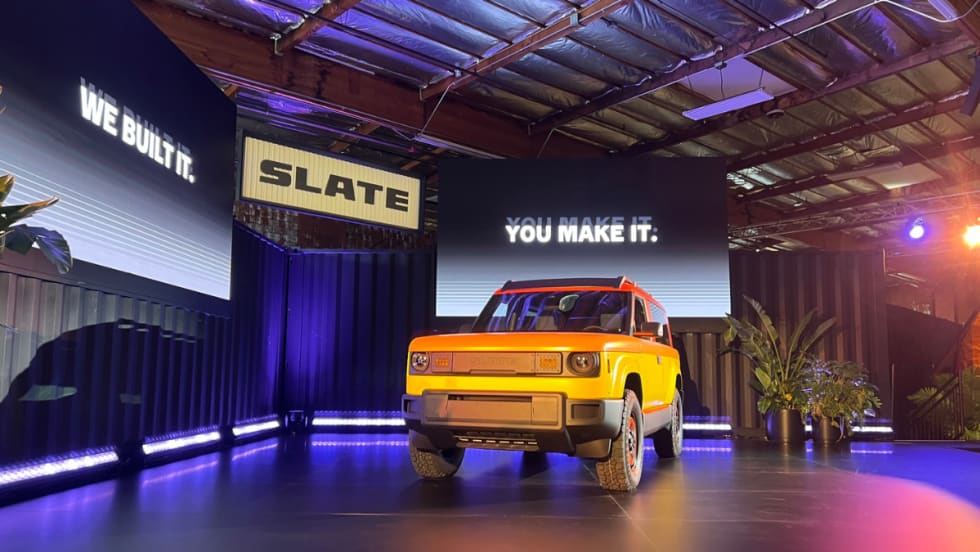
Slate Debuts Colorful, Unique EV Models
A recent media and client event, studded with electric vehicles dressed up on platforms, planted a new position for the manufacturer in the wider EV market. Fleets will find cost-saving advantages.
Read More →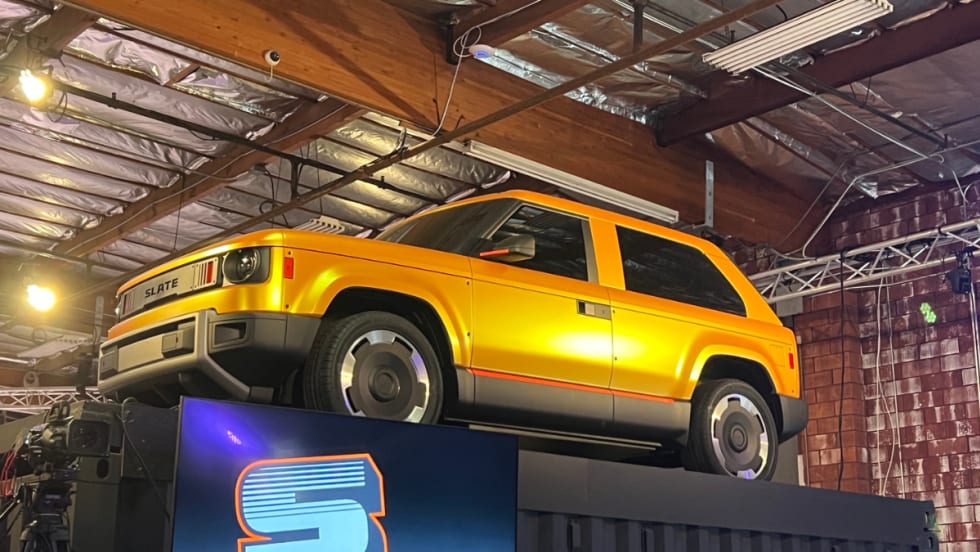
Slate Electric SUV, Pickup Switchable Model Aims For Light-Duty Fleets
Everything about this EV is counterintuitive and understated, making it stand out from the crowd.
Read More →
Inspiration Mobility Acquires Key Electrada Assets
Inspiration Mobility Group has acquired select assets of Electrada, adding the fleet electrification provider's team, technology, and charging infrastructure development capabilities to its energy management business.
Read More →
Turning Connected Vehicle Data Into Decisions That Matter
Fleet leaders have more data than ever, but turning that data into clear, actionable decisions remains a challenge. This white paper shows how leading organizations are using connected vehicle data to improve safety, reduce costs, and optimize fleet performance. Learn how to turn insight into action across your fleet.
Read More →