





RELATED: SoCalGas Helps Calif. Fleets Acquire Natural Gas Trucks
Food Express Expands Truck Fleet
Southern California Gas Co. and Food Express, Inc. (FXI) announced the addition of 11 new, ultra-low emission natural gas trucks to the FXI fleet with 35 more trucks on order.
August 15, 2018
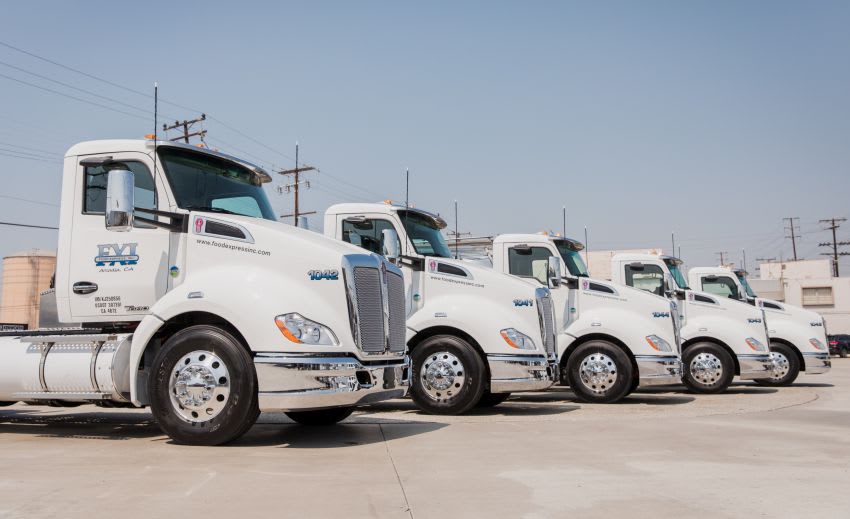
The purchase of 46 new trucks represents about 50% of FXI’s California fleet.
Photo courtesy of SoCalGas
3 min to read
Southern California Gas Co. and Food Express, Inc. (FXI) announced the addition of 11 new, ultra-low emission natural gas trucks to the FXI fleet with 35 more trucks on order.
SoCalGas assisted the company, which transports flour and malt barley throughout California, apply for and received $1.1 million in grant funding for the new trucks that started making deliveries Aug. 14, 2018. Funding was received from the Prop 1B program administered by the San Joaquin Valley Air Pollution Control District and the California Hybrid and Zero-Emission Truck and Bus Voucher Incentive Program (HVIP).
The purchase of 46 new trucks represents about 50% of FXI’s California fleet. The company is on the wait list for an additional $900,000 in Prop 1B grants from the San Diego Air Pollution Control District, which would be used to purchase another nine trucks. According to the company, replacing 55 diesel trucks with new ultra-low emission natural gas trucks is the equivalent of taking more than 3,100 passenger cars off the road.
“As the owner of a local business that’s been in my family for four generations, it is important that our company be part of the clean air solution,” said Kevin Keeney, vice president of Arcadia, Calif.-based Food Express, Inc. “We’ve heard from many customers over the last few years about ways we can make our operation more environmentally-friendly. Our fleet travels about 7.5 million miles in California each year and the technological advancements of these new heavy-duty engines made our decision to switch to natural gas trucks an easy choice.”
Over the past year, the utility company has helped customers such as Food Express with more than 400 applications for incentive funding to use for the trade in of existing diesel trucks for new natural gas ones.
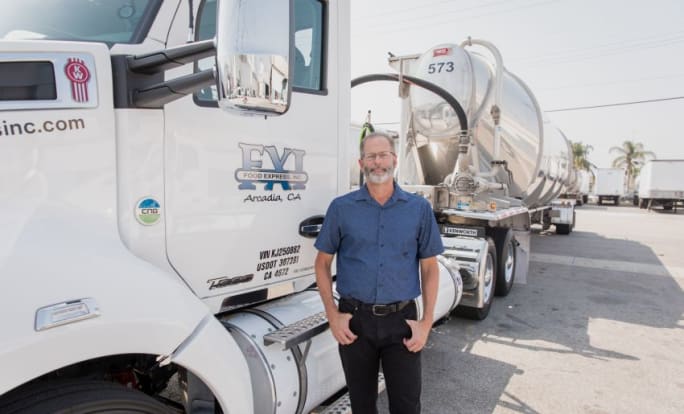
Over the past year, the utility company has helped customers such as Food Express with more than 400 applications for incentive funding to use for the trade in of existing diesel trucks for new natural gas ones.
Photo courtesy of SoCalGas
The transportation sector is responsible for about 41% of California’s greenhouse gas emissions and more than 80% of the state’s NOx emissions. These new heavy-duty natural gas trucks cut smog-forming emissions by more than 90% compared to the cleanest heavy-duty diesel trucks on the road today.
When these ultra-low emission natural gas trucks are fueled by renewable natural gas, greenhouse gas emissions are reduced by at least 80%. Already, close to 70% of natural gas fleets in California are fueled with renewable natural gas.=
Results from a recent study conducted by the University of California, Riverside helps to understand one reason replacing these diesel trucks is so important. The study showed that NOx (smog-forming) emissions from diesel trucks are “actually much higher” than California Air Resources Board certification standards. In addition, the study cited poor performance of aftertreatment systems for diesel vehicles as the main reason. FXI replacing some of the oldest diesel trucks in its fleet with the ultra-low emission natural gas trucks will help achieve California’s clean air goals.
Topics:SoCalGasHeavy-Duty TrucksNatural Gas TrucksHVIPDiesel TrucksFood & Beverage FleetsGreen Fleet
Originally posted on Work Truck Online
More Green Fleet
Sponsored•October 1, 2026
New Propane Autogas Program Offers Fleet Compensation
Qualified commercial fleets can receive $7,500 per eligible propane autogas vehicle and up to $10,000 for new refueling site prep. Learn how the program works and see whether your fleet qualifies.
Read More →
EV Charging Use Is Outpacing Infrastructure Growth
ChargePoint’s 2026 Charging Forward Report points to rising charger use, higher-powered charging, commercial vehicle electrification, and energy-management technology. Here’s what fleets should know.
Read More →
Merchants Fleet Reports 290M EV Miles as Fleets Navigate Changing Electrification Market
From millions in operating savings to hundreds of millions of EV miles, Merchants Fleet’s latest report reveals what’s working and what’s changing in fleet electrification.
Read More →

The EV Breakdown Nobody's Talking About: Why Most Electric Vehicle Roadside Calls Aren't Mechanical Failures
Here's why EV breakdowns are widely misunderstood.
Read More →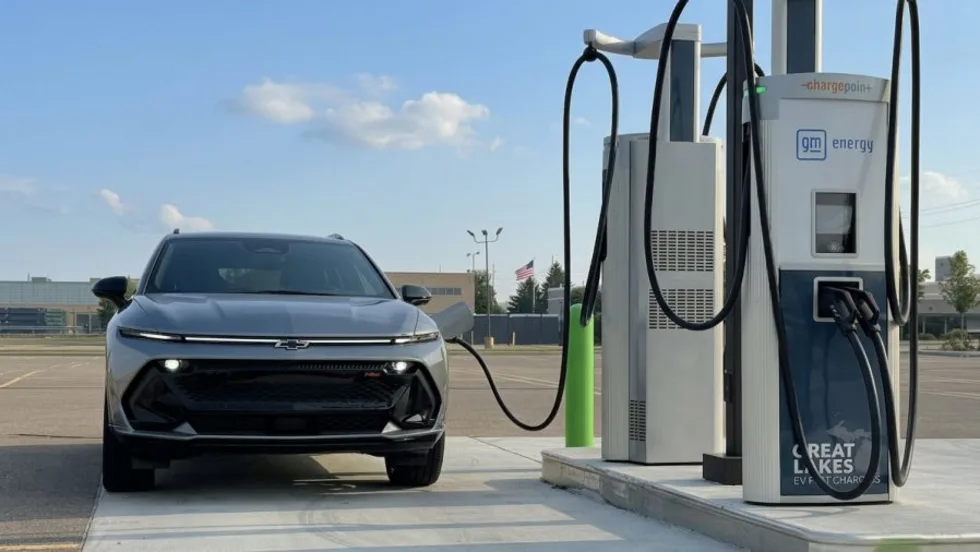
ChargePoint Now Available in Energy Pass
ChargePoint and additional planned charging network integrations were added to GM's Energy Pass.
Read More →

First Look: Slate Auto's Electric Fleet Pickup
Could an affordable, modular EV pickup make electrification more practical for fleets?
Read More →
Slate Debuts Colorful, Unique EV Models
A recent media and client event, studded with electric vehicles dressed up on platforms, planted a new position for the manufacturer in the wider EV market. Fleets will find cost-saving advantages.
Read More →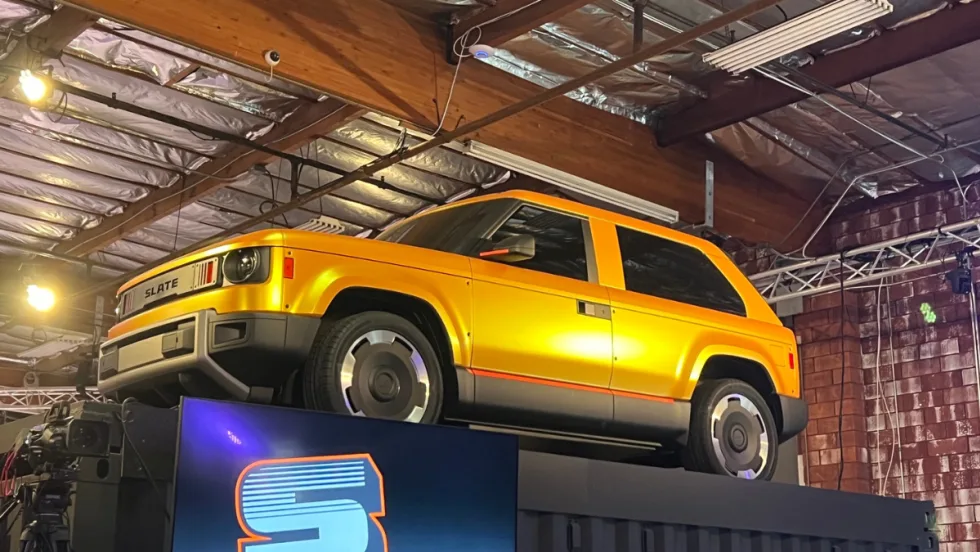
Slate Electric SUV, Pickup Switchable Model Aims For Light-Duty Fleets
Everything about this EV is counterintuitive and understated, making it stand out from the crowd.
Read More →
Inspiration Mobility Acquires Key Electrada Assets
Inspiration Mobility Group has acquired select assets of Electrada, adding the fleet electrification provider's team, technology, and charging infrastructure development capabilities to its energy management business.
Read More →