




FMCSA Makes Exemption Permanent for Windshield-Mounted Cameras
FMCSA’s rule change amends the Federal Motor Carrier Safety Regulations to allow certain vehicle safety technology devices, such as cameras, to be mounted slightly lower.

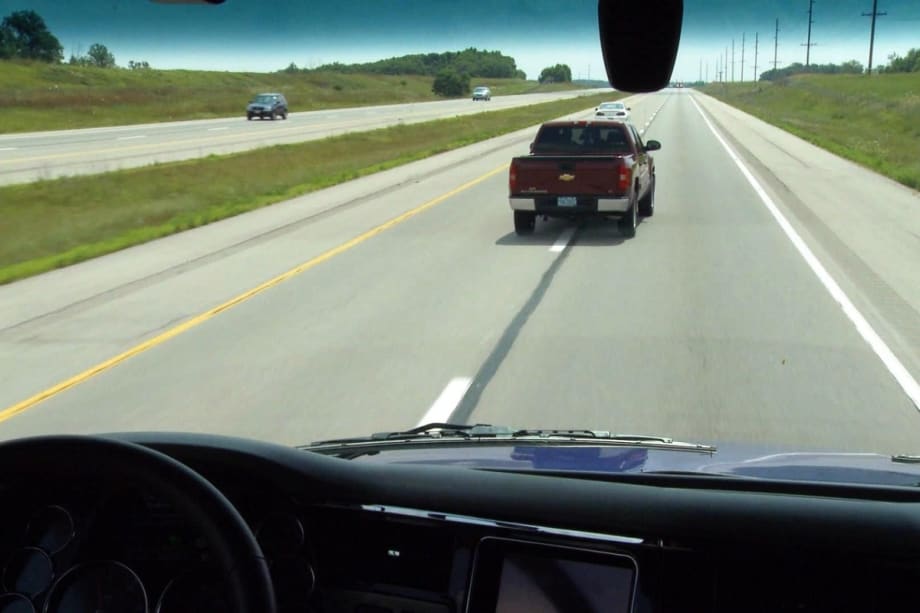
The amended rule also revises the definition of “vehicle safety technology” to add technologies that had been granted temporary exemptions previously.
Photo: FMSCA
Windshield-mounted video cameras will remain compliant with Federal Motor Carrier Safety Administration (FMCSA) rules for mounting placement, courtesy of an exemption the agency recently made permanent.
FMCSA’s rule change, published in March and effective May 6, 2022, amends the Federal Motor Carrier Safety Regulations to allow certain vehicle safety technology devices to be mounted slightly lower on the interior of commercial motor vehicle windshields than was previously permitted. The previous rule had required devices to be mounted not more than 4 inches below the upper edge of the area swept by the windshield wipers. FMCSA modified the rule to increase that distance to 8.5 inches, after granting temporary exemptions to numerous companies over the past several years. This final rule was a response to a rulemaking petition from Daimler Truck North America.
In addition, units must be mounted not more than 7 inches above the lower edge of the area swept by the wipers. Devices are still required to remain outside the driver’s sight lines to the road, highway signs, and signals. Devices such as antennas or transponders that are mounted at the top of a windshield must be located outside the area swept by the windshield wipers.
“This ruling marks another important step in the continuation of the commercial vehicle industry’s highway safety efforts,” said Fred Andersky, Bendix director of government and industry affairs. Previously, the video cameras for the Bendix Wingman Fusion collision mitigation technology, AutoVue Lane Departure Warning (LDW) System by Bendix CVS, and SafetyDirect by Bendix CVS were among the many brands that had been covered under a temporary exemption.
“The amendment will make it easier to implement advanced technologies that use multiple sensors — like Wingman Fusion — without fleets, drivers, and truck manufacturers having to worry about violating windshield clearance rules," Andersky said. "It updates the regulation in favor of technology — not only for driver assistance systems but also for more automated driving systems that take advantage of additional sensors.”
Safety Technology Definition Expanded
The amended rule also revises the definition of “vehicle safety technology” to add technologies that had been granted temporary exemptions previously.
The final rule made one change from the Notice of Proposed Rulemaking, removing ‘‘automatic emergency braking,’’ from the definition for vehicle safety technology. The Infrastructure Investment and Jobs Act, the agency explained, requires the National Highway Traffic SafetyAdministration to complete a rulemaking on AEB and FMCSA to complete a companion rulemaking. "AEB technology ultimately might or might not require placement within the swept area of the windshield wipers," so the agency decided it "would be premature to address AEB in this final rule. Additionally, the NPRM did not propose, and this final rule does not require, installation of these technologies."
Under the previous definitions, vehicle safety technology included a fleet-related incident management system, performance or behavior management system, speed management system, lane departure warning system, forward collision warning or mitigation system, active cruise control system, and transponders. Under the final rule, this definition will also include braking warning systems, braking assist systems, driver camera systems, attention assist warning, GPS, and traffic sign recognition. Vehicle safety technology includes systems and devices that contain cameras, lidar, radar, sensors, and/or video.
In its decision, the FMCSA noted it “believes that the rule has the potential to improve the safety of CMV operations," while offering time savings to motor carriers, suppliers, and the agency in not having to file for exemptions.
Originally posted on Work Truck Online
More Safety
What’s Next for Fleet? Safety, AI & Industry Recognition | AF News Recap
Could your company's culture be encouraging distracted driving? This week, we're exploring how workplace expectations affect driver safety, what AI, EVs, and autonomous vehicles could mean for the future of fleet management, and how fleet professionals can strengthen their award nominations.
Read More →
Does Your Fleet's Culture Encourage Distracted Driving?
What happens when the people responsible for enforcing safety rules are the ones setting the wrong example? The answer may reveal why some of the biggest risks to fleet drivers have little to do with what's written in the employee handbook.
Read More →
Fleet Manager’s Ultimate Playbook: Navigating the New Standard in OEM Connectivity
Rising operating costs, driver safety concerns, and unplanned downtime are putting unprecedented pressure on modern fleets. Discover how fleet managers use embedded OEM connectivity and real-time vehicle data to cut TCO, prevent downtime, and protect drivers without aftermarket telematics hardware.
Read More →
From Driver Well-Being to EV Charging | AF News Recap
Mental health belongs in the fleet safety conversation. This week, we’re looking at five ways fleets can support employee well-being before a crisis, plus Holman’s expansion in Mexico, new one-day Fleet Forward passes, and why EV charging demand is outpacing infrastructure growth.
Read More →
Nexar-Nauto Merger Aims to Give Fleets Better Safety Intelligence Through Larger Driving Dataset
Stefan Heck tells Automotive Fleet that combining more than 10 billion miles of driving history with Nexar's AI models will give fleets deeper insights into driver risk and roadway conditions than either company could provide independently.
Read More →
Don't Wait for a Crisis: 5 Ways to Build Mental Health Into Your Fleet Safety Program
For Suicide Prevention Month, fleet and safety leaders have an opportunity to put mental health where it belongs: at the center of workplace safety.
Read More →
How Camera Data Can Strengthen a Fleet’s Insurance Renewal
Insights from a commercial insurance carrier and a broker show how fleets can turn video telematic data, driver coaching, and improved claims results into a stronger case at insurance renewal.
Read More →
The Safest Fleets Aren’t the Ones with the Most Technology
You’ve made the telematics investment. Here’s how to capture the other half of its value and build the safest fleet on the road.
Read More →
Hidden in Plain Sight: Fleet Compliance Risks
Fleet compliance isn't just about having policies — it's about consistently enforcing them. This practical guide reveals six hidden compliance risks common in public sector and shared fleet operations and outlines proven strategies to improve visibility, accountability, and audit readiness
Read More →
NETS Sets 2026 Fleet Safety Benchmark Conference for Indianapolis
The Sept. 15–17 program will feature fleet benchmarking data, case studies, emerging technologies, and implementation strategies while running alongside the NSC Safety Congress & Expo.
Read More →