




Fleet Sales Bolstered By Economic Growth, Low Fuel Costs
Sales of light-duty vehicles from nine manufacturers to commercial fleet users rose 16.7 percent in January mostly on the strength of trucks, vans, and SUVs, according to Automotive Fleet data.

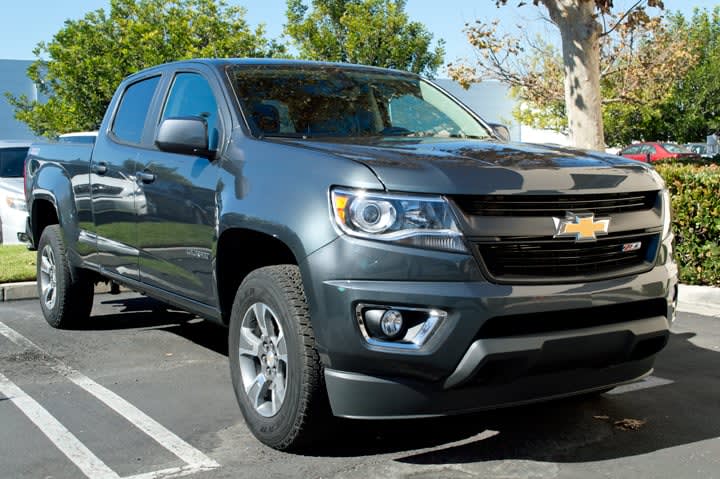
Photo of 2015 Chevrolet Colorado by Vince Taroc.
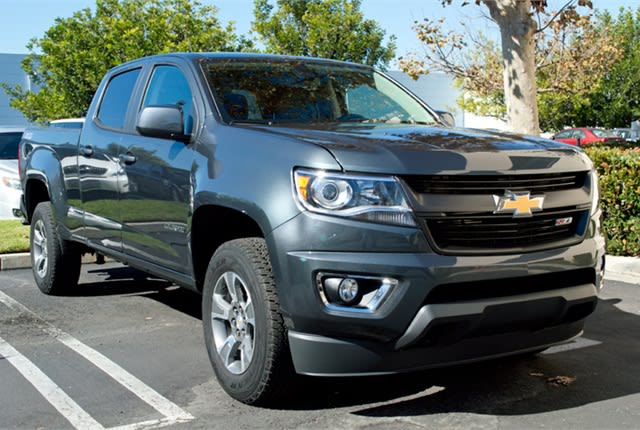
Photo of 2015 Chevrolet Colorado by Vince Taroc.
Sales of light-duty vehicles from nine manufacturers to commercial fleet users rose 17.1 percent in January mostly on the strength of trucks, vans, and SUVs, according to Automotive Fleet data.
The growth surge in fleet and retail channels has been propelled by pent-up pre-recession demand, a relatively strong U.S. economy, and low fuel prices, executives of fleet management companies said.
"We have seen a strong percentage of our clients growing their fleets once again," said Laura Jozwiak, vice president of client relations for Wheels Inc. "The low gas prices, pent-up consumer demand for all products, and the overall economy have certainly helped most industries rebound from the recession."
Sales of vehicles to commercial fleets and fleet management companies reached 41,874 units in January compared with 35,757 units sold in January of 2013. This follows an increase of 9.1 percent in the segment for the 2014 calendar year.
As in the retail channel, full-size trucks, vans and SUVs are driving the sales growth at the expense of passenger cars. The nine manufacturers sold 35,999 vehicles in this segment, which represented a 25.6 percent increase over the 28,662 vehicles sold a year ago. In contrast, sales of cars fell 17.2 percent to 5,875 from the 7,095 cars sold in January of 2013.
Fleet sales have kept strong forward momentum even if executives from fleet management companies may have different explanations for the underlying causes. Lower fuel prices appear to be fueling truck sales in the retail channel, but they may not be the same driver in the fleet channel, said Partha Ghosh, ARI's director of supply chain management.
"Fleet sales are usually driven by capital expenditure budgets and business needs," Ghosh said. "To the degree that more favorable operating expenses occur (perhaps as a result of lower fuel expense), companies will have more to invest in capital expenditures and if that occurs we may see a positive impact to fleet sales."
Fuel prices have been in a steady decline since late summer of 2014. For the week ending Feb. 3, the price of a gallon of regular unleaded reached $2.06. It has fallen from its perch of $3.70 per gallon in late June. A prolonged period of lower prices could have an impact, Ghosh acknowledged.
"Of course, if lower gas prices remain in place for a significant period of time, this also may enable companies to grow faster and hire more people, and that could have an indirect positive effect on fleet sales as well," Ghosh said.
In this lower-fuel-cost environment, fleet managers should keep a close eye on vehicle purchasing, said Jozwiak.
"Although fuel expenses have been cut in half as of late, our account managers continue to caution our clients to stay vigilant on fuel management best practices, expectations for future budgets, and proper vehicle selection," said Jozwiak. "The low gas prices give us all an opportunity to decide how to manage the windfall, and to mitigate any underlying risks."
By Paul Clinton
More Operations

Avis Budget Group Deploys Neology Toll Management Technology Across Major Brands
Neology’s neoFleet platform will manage toll transactions and toll-authority operations for vehicles across Avis, Budget, Payless, Budget Truck and Zipcar.
Read More →
Fleet Personal-Use Charges Edge Higher in 2026
Nearly eight in 10 surveyed fleets allow personal use of company vehicles, while just over half of respondents report charging employees for the privilege.
Read More →
The Future of Fleet + What’s Changing Right Now | AF News Recap
Could developments overseas offer a preview of what’s coming for U.S. fleets? This week, we’re looking at the future of AI, autonomy, and electrification, plus Ford Pro’s new certified pre-owned program, smarter vehicle offboarding, and a new way for fleets to manage toll expenses.
Read More →
How to Handle Vehicle Offboarding
What do fleet managers need to do when a driver leaves?
Read More →
Fleet Manager’s Ultimate Playbook: Navigating the New Standard in OEM Connectivity
Rising operating costs, driver safety concerns, and unplanned downtime are putting unprecedented pressure on modern fleets. Discover how fleet managers use embedded OEM connectivity and real-time vehicle data to cut TCO, prevent downtime, and protect drivers without aftermarket telematics hardware.
Read More →
U.S. Bank Adds Verra Mobility Toll Management to Voyager Fleet Platform
The integration allows U.S. Bank Voyager fleet customers to manage toll payments and violations alongside fuel, EV charging and maintenance expenses.
Read More →
ADAS Prevents Crashes. But Repairs Cost More | AF News Recap
ADAS-equipped vehicles may crash less often, but they can cost more when they do. This week, we’re breaking down what that tradeoff means for fleets, plus Subaru’s first Forester Wilderness Hybrid, Nissan’s new e-POWER Rogue, and why Calstart has become Catalyst Mobility.
Read More →
Moventum Fleet Management Names Mark Iorillo Head of Sales
Iorillo brings nearly 20 years of fleet management and sales experience to the role, including previous positions at Element Fleet Management, CEI, Donlen and Ryder.
Read More →
Fleet Has a Talent Pipeline Problem. What Comes Next? | AF News Recap
Where will fleet’s next generation of leaders come from? This week, we’re looking at the industry’s talent pipeline, what certification can add to a fleet career, how to build an award-worthy track record, and the return of Automotive Fleet’s Personal Use Survey.
Read More →
Smith System Launches Driver Risk Management Program
Fleets have more driver data than ever, but identifying risky behavior doesn't necessarily correct it. Smith System's new Driver Risk Management program combines monitoring, training, and follow-up coaching to help fleets connect risk signals with driver intervention.
Read More →