




Fleet Safety Video Tip: Responding to a Highway Breakdown
Here's some advice from AAA on what steps drivers should take when a vehicle breaks down suddenly on a highway.
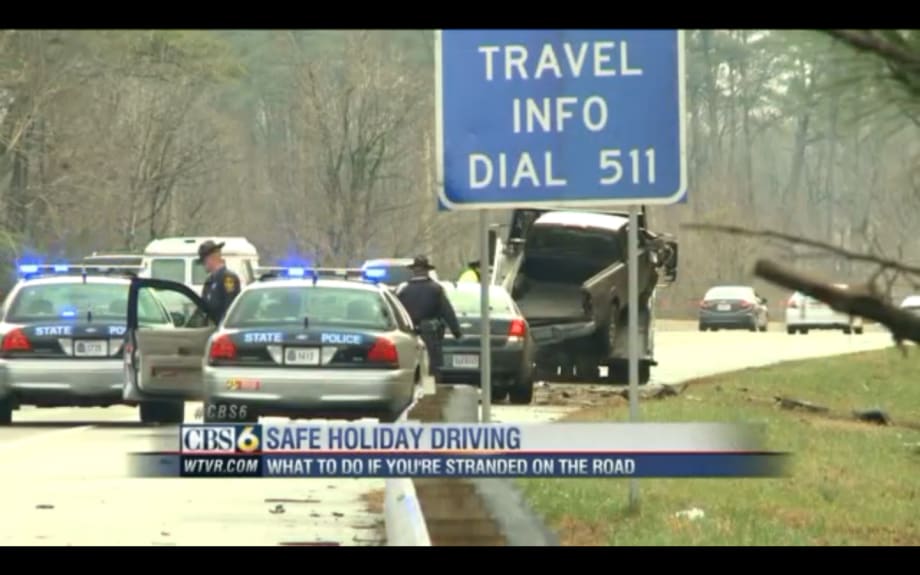
When you formulate or update your fleet safety policy, don’t forget to address how drivers should respond after a highway breakdown. Of course, different circumstances call for different responses, but familiarity with general guidelines will help drivers make sound decisions during a particularly stressful time. In the great majority of cases, it’s safest to remain in the vehicle until help arrives.
Here are six tips from AAA you might want to pass along to your drivers:
Note your vehicle’s location. When you first encounter a problem while driving, make sure you’re aware of your general location. Look for landmarks, the nearest exit number or street name, the nearest emergency call box or rest area, for example.
Assess your vehicle’s operating problem. What warning signs have you seen, heard or felt?
Pull off the road and get as far from traffic as possible. If you get out of your vehicle, show extreme caution and watch for oncoming traffic – especially at night or in bad weather. Never stand behind or directly in front of your vehicle. If you cannot pull off the road because your vehicle has lost all power and is inoperable, switch on safety/emergency flashers immediately. Don’t risk injury by attempting to push the vehicle to a safe location. If you cannot get the vehicle to a location away from traffic and believe your safety is at risk, then don’t stay in the vehicle. But generally, it’s safest to stay in the vehicle.
Alert other motorists. Take steps to ensure your vehicle is visible to other drivers. Turn on the emergency flashers. If it’s safe to do so, place flares or warning triangles to direct oncoming traffic away from your vehicle and -- if possible -- tie a bright handkerchief or scarf to an antenna or door handle. But if you smell or notice any sign of a fuel leak, don’t ignite the flares or use anything with a flame. Extinguish any lighted cigarettes.
Communicate your situation. Once you and your passengers are in a safe location, notify others of your vehicle breakdown. If you have a cell phone, make the call from inside your vehicle – assuming it’s safely away from traffic. Otherwise, place the call at a safe distance from the vehicle and traffic.
Remain with your vehicle. Under most circumstances, if you’re able to pull away from traffic and stop safely on the shoulder, it’s best to remain in your vehicle until law enforcement or an emergency roadside assistance provider arrives. But if you do decide to exit the vehicle, make sure you can do so safely. In most cases, the passenger side of the vehicle permits greater distance from oncoming traffic. If you’re convinced help is within walking distance, think carefully about whether it’s safe to leave the vehicle and passengers for a brief period of time. Is your planned route really safe for pedestrians? If you stay inside the vehicle, keep the windows nearly closed and the doors locked. Don’t lower the windows or open doors to strangers. If a stranger offers help, ask the person to call for emergency road service.
Click on the photo or link above to watch a video, produced by WTVR CBS 6 News, in which Martha Meade of AAA Mid-Atlantic offers advice on what to do if your vehicle breaks down on the highway.
More Safety
Tips for Driving Safely on Halloween Night
This video features a reminder from the Connecticut Department of Transportation (DOT) and the Connecticut Police Chiefs Association, urging drivers to prioritize safety this Halloween.
Read More →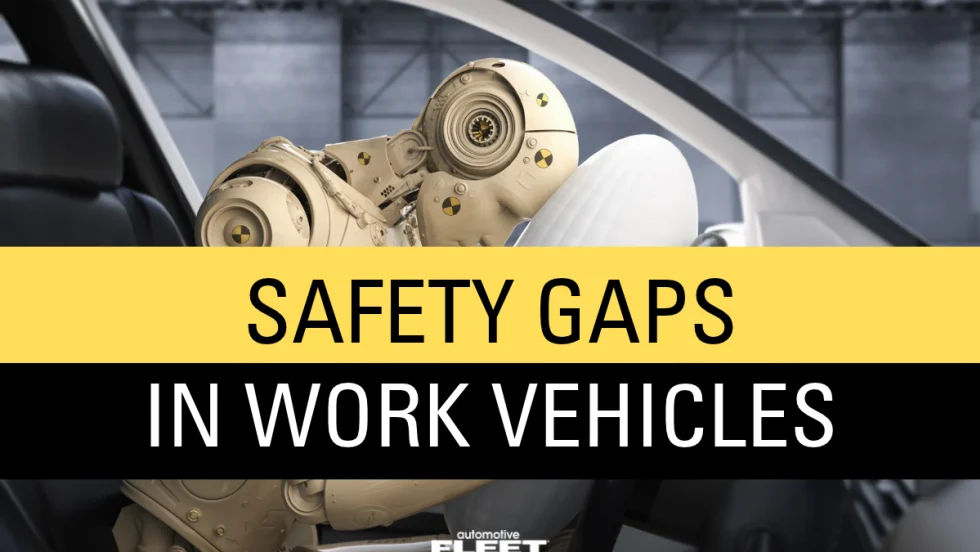
IIHS Crash Avoidance Tests Reveal Safety Gaps in Cargo Vans and Work Trucks
New crash-avoidance ratings from the Insurance Institute for Highway Safety reveal inconsistent performance among commercial vehicles, with several popular cargo vans and heavy-duty pickups struggling to avoid collisions with other vehicles and pedestrians.
Read More →
What’s Next for Fleet? Safety, AI & Industry Recognition | AF News Recap
Could your company's culture be encouraging distracted driving? This week, we're exploring how workplace expectations affect driver safety, what AI, EVs, and autonomous vehicles could mean for the future of fleet management, and how fleet professionals can strengthen their award nominations.
Read More →
Does Your Fleet's Culture Encourage Distracted Driving?
What happens when the people responsible for enforcing safety rules are the ones setting the wrong example? The answer may reveal why some of the biggest risks to fleet drivers have little to do with what's written in the employee handbook.
Read More →
Fleet Manager’s Ultimate Playbook: Navigating the New Standard in OEM Connectivity
Rising operating costs, driver safety concerns, and unplanned downtime are putting unprecedented pressure on modern fleets. Discover how fleet managers use embedded OEM connectivity and real-time vehicle data to cut TCO, prevent downtime, and protect drivers without aftermarket telematics hardware.
Read More →
From Driver Well-Being to EV Charging | AF News Recap
Mental health belongs in the fleet safety conversation. This week, we’re looking at five ways fleets can support employee well-being before a crisis, plus Holman’s expansion in Mexico, new one-day Fleet Forward passes, and why EV charging demand is outpacing infrastructure growth.
Read More →
Nexar-Nauto Merger Aims to Give Fleets Better Safety Intelligence Through Larger Driving Dataset
Stefan Heck tells Automotive Fleet that combining more than 10 billion miles of driving history with Nexar's AI models will give fleets deeper insights into driver risk and roadway conditions than either company could provide independently.
Read More →
Don't Wait for a Crisis: 5 Ways to Build Mental Health Into Your Fleet Safety Program
For Suicide Prevention Month, fleet and safety leaders have an opportunity to put mental health where it belongs: at the center of workplace safety.
Read More →
How Camera Data Can Strengthen a Fleet’s Insurance Renewal
Insights from a commercial insurance carrier and a broker show how fleets can turn video telematic data, driver coaching, and improved claims results into a stronger case at insurance renewal.
Read More →
The Safest Fleets Aren’t the Ones with the Most Technology
You’ve made the telematics investment. Here’s how to capture the other half of its value and build the safest fleet on the road.
Read More →