




Fleet Safety Video Tip: Motorcycle Awareness
Sharing the road with motorcyclists poses a host of safety issues that fleet drivers need to keep in mind. Here's some advice you can pass along.

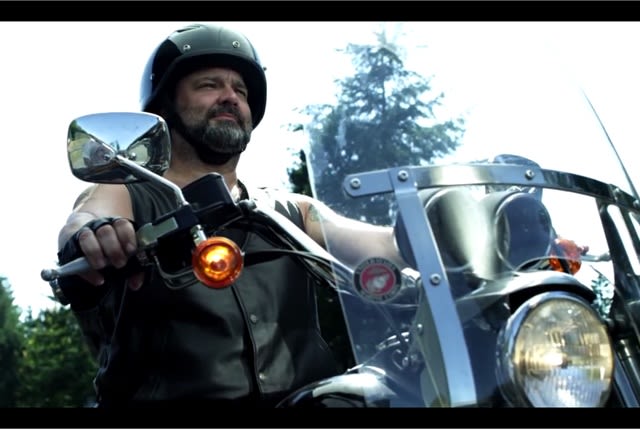
With spring officially here, temperatures will start rising again and that means more motorcycles on the road. Sharing the road with motorcyclists poses a host of safety issues that fleet drivers need to keep in mind.
Motorcycles are especially at risk for a collision when a car or truck is turning left at an intersection and the motorcycle is approaching in opposing traffic. Many drivers have difficulty judging the speed and distance of an approaching motorcycle, so they might begin their left turn when they should in fact yield to the motorcycle. This tendency increases the risk for a T-bone or sideswipe crash.
Additionally, motorcycles can easily disappear into a vehicle’s blind spot because they’re so small in comparison to cars and trucks.
In general, drivers need to be especially cautious around motorcycles. In 2013, more than 4,600 motorcycle fatalities were reported in the U.S.
Here are some tips from the National Highway Traffic Safety Administration and AAA you can pass along to fleet drivers as a friendly reminder:
Remember that motorcycles are vehicles with the same rights and privileges as any other vehicle on the roadway. Allow the motorcyclist a full lane width. Don’t try to share the lane.
Keep in mind that motorcycles are more difficult to see. Make the extra effort to look twice. Remember, it’s more difficult to judge the speed and distance of an approaching motorcycle.
Always signal your intentions before changing lanes or merging with traffic. This allows the motorcyclist to anticipate traffic flow and find a safe lane position.
Remember that motorcyclists are often hidden in a vehicle’s blind spot or missed in a quick look because of their smaller size. Always make a visual check for motorcycles by checking mirrors and blind spots before entering or leaving a lane of traffic and at intersections.
Don’t be fooled by a flashing turn signal on a motorcycle. Motorcycle signals usually aren’t self-canceling and riders sometimes forget to turn them off. Wait to be sure the motorcycle is going to turn before you proceed.
Don’t forget that road conditions that are minor annoyances to you pose major hazards to motorcyclists. As a result, motorcyclists may change speed or adjust their position within a lane suddenly in reaction to road and traffic conditions, such as potholes, gravel, wet or slippery surfaces, pavement seams, railroad crossings and grooved pavement.
Allow more following distance – three or four seconds – behind a motorcycle so the motorcyclist has enough time to maneuver or stop in an emergency. In dry conditions, motorcycles can stop more quickly than cars.
Be extra cautious on weekends, when more motorcyclists take to the road.
To view a video that offers tips on sharing the road with motorcyclists, click on the photo or link above.
More Safety

Tips for Driving Safely on Halloween Night
This video features a reminder from the Connecticut Department of Transportation (DOT) and the Connecticut Police Chiefs Association, urging drivers to prioritize safety this Halloween.
Read More →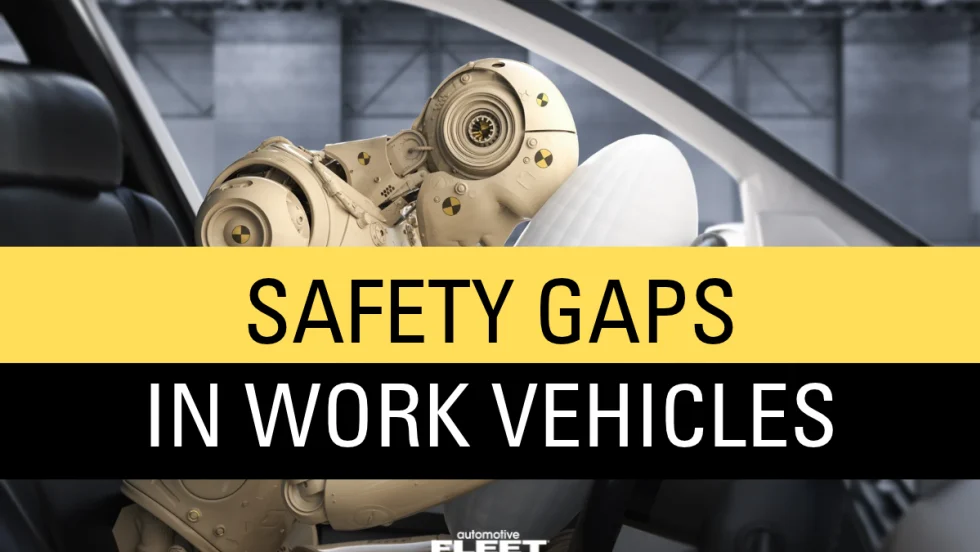
IIHS Crash Avoidance Tests Reveal Safety Gaps in Cargo Vans and Work Trucks
New IIHS crash avoidance ratings show uneven performance among cargo vans and heavy-duty pickups, with most struggling to avoid vehicle-to-vehicle collisions.
Read More →
What’s Next for Fleet? Safety, AI & Industry Recognition | AF News Recap
Could your company's culture be encouraging distracted driving? This week, we're exploring how workplace expectations affect driver safety, what AI, EVs, and autonomous vehicles could mean for the future of fleet management, and how fleet professionals can strengthen their award nominations.
Read More →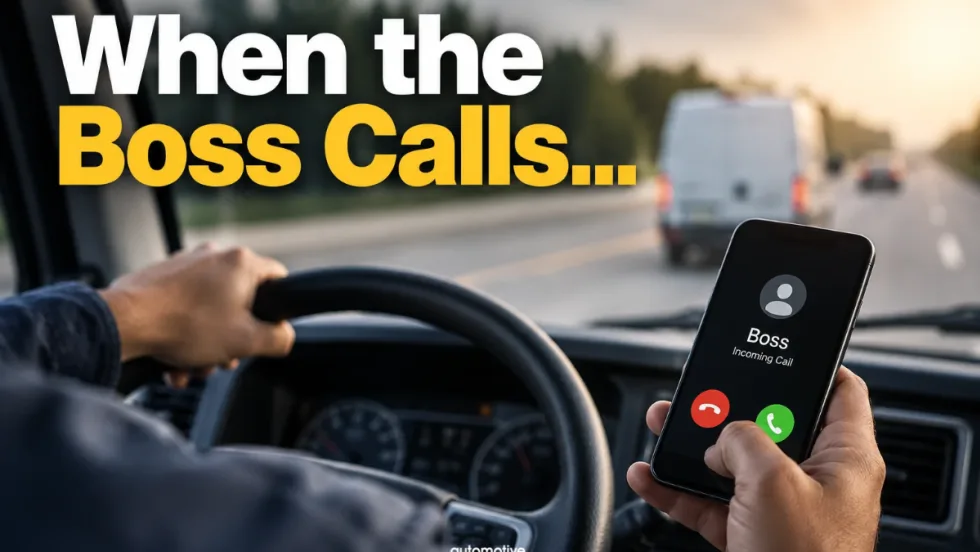
Does Your Fleet's Culture Encourage Distracted Driving?
What happens when the people responsible for enforcing safety rules are the ones setting the wrong example? The answer may reveal why some of the biggest risks to fleet drivers have little to do with what's written in the employee handbook.
Read More →
Fleet Manager’s Ultimate Playbook: Navigating the New Standard in OEM Connectivity
Rising operating costs, driver safety concerns, and unplanned downtime are putting unprecedented pressure on modern fleets. Discover how fleet managers use embedded OEM connectivity and real-time vehicle data to cut TCO, prevent downtime, and protect drivers without aftermarket telematics hardware.
Read More →
From Driver Well-Being to EV Charging | AF News Recap
Mental health belongs in the fleet safety conversation. This week, we’re looking at five ways fleets can support employee well-being before a crisis, plus Holman’s expansion in Mexico, new one-day Fleet Forward passes, and why EV charging demand is outpacing infrastructure growth.
Read More →
Nexar-Nauto Merger Aims to Give Fleets Better Safety Intelligence Through Larger Driving Dataset
Stefan Heck tells Automotive Fleet that combining more than 10 billion miles of driving history with Nexar's AI models will give fleets deeper insights into driver risk and roadway conditions than either company could provide independently.
Read More →
Don't Wait for a Crisis: 5 Ways to Build Mental Health Into Your Fleet Safety Program
For Suicide Prevention Month, fleet and safety leaders have an opportunity to put mental health where it belongs: at the center of workplace safety.
Read More →
How Camera Data Can Strengthen a Fleet’s Insurance Renewal
Insights from a commercial insurance carrier and a broker show how fleets can turn video telematic data, driver coaching, and improved claims results into a stronger case at insurance renewal.
Read More →
The Safest Fleets Aren’t the Ones with the Most Technology
You’ve made the telematics investment. Here’s how to capture the other half of its value and build the safest fleet on the road.
Read More →