




Fleet Safety Video Tip: How to Pass Safely
Passing safely requires sound judgment and a solid grasp of the rules of the road. Here are some safe-passing tips from both the New York DMV and California DMV.
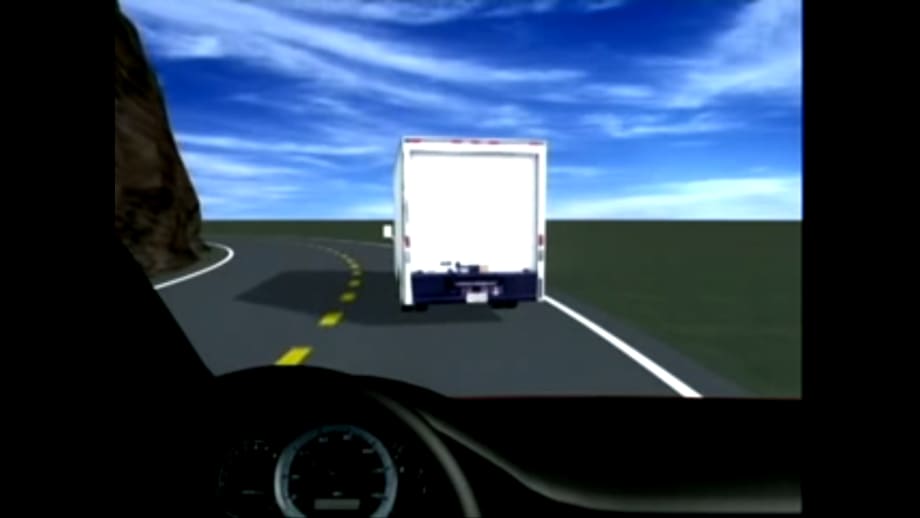

Passing safely requires sound judgment and a solid grasp of the rules of the road. Here is some advice from the New York Department of Motor Vehicles that you may want to pass along to your fleet drivers as a friendly reminder.
Generally, pass other vehicles on the left. Passing on the right, which is permitted only in limited circumstances, should be done only when necessary and safe to do so.
When passing other vehicles or changing lanes to avoid hazards, do so with caution and only when necessary.
You must not exceed the speed limit to pass another vehicle.
When passing a motorcycle, remember to give the motorcycle the same full lane width as other vehicles are allowed.
Never move into the same lane space as a motorcycle, even if the lane is wide and the motorcyclist is riding to one side.
Always use directional or hand signals at least 100 feet before making a lane change.
Never pass a vehicle stopped at a crosswalk to allow a pedestrian to cross.
Passing on the Left
The left lane is usually used for passing other vehicles. However, you may not pass a vehicle on the left if:
Your lane has a solid yellow center line
You cannot safely return to the right lane before reaching a solid yellow center line for the right lane
You cannot safely return to the right lane before any approaching vehicle comes within 200 feet of you
You are approaching a curve or the crest of a hill on a two-way road and cannot see around or over it
You are within 100 feet of a railroad crossing on a two-way roadway
You are within 100 feet of a bridge, tunnel or viaduct on a two-way road and your view is obstructed
Passing will interfere with oncoming traffic.
If conditions are right for passing, check your mirrors and signal your lane change. Before pulling into the left lane, glance briefly over your left shoulder and at the rear side window to make sure no vehicle is passing you or close behind you in the left lane.
Never rely on your mirrors alone when preparing to change lanes. Even properly adjusted mirrors will leave "blind spots" behind you on both sides. If a vehicle is in the blind spot, you may not see it in your mirrors. Always glance over your shoulder before changing lanes or passing.
When passing, move completely into the left lane. Before returning to the right lane, signal and look at your interior rearview mirror and make sure you can see the front bumper of the vehicle you just passed. Glance quickly over your right shoulder to double-check that you can see at least several feet of pavement between your vehicle and the one you passed. Then return to the right lane.
Passing on the Right
You may pass a vehicle on the right only in the situations listed below -- and only if you can do so safely. You may not drive on or across the shoulder or edge line of the road unless a sign expressly permits it.
You may pass on the right:
When a vehicle ahead is making a left turn
When you’re driving on a one-way road that is marked for two or more lanes or is wide enough for two or more lanes, and passing is not restricted by signs.
If you’re going to pass on the right at an intersection, check traffic ahead carefully. Make sure an oncoming vehicle is not turning left into your path. On the right side, watch out for pedestrians and bicyclists.
Before you pass on the right on multilane roads, make sure you check your mirrors, use the proper signals for a lane change, and look over your right shoulder for other vehicles. After passing, be sure to check over your left shoulder and signal before returning to the left lane.
To view a California DMV video on passing, click on the photo or link at the top.
More Safety
IIHS Crash Avoidance Tests Reveal Safety Gaps in Cargo Vans and Work Trucks
New crash-avoidance ratings from the Insurance Institute for Highway Safety reveal inconsistent performance among commercial vehicles, with several popular cargo vans and heavy-duty pickups struggling to avoid collisions with other vehicles and pedestrians.
Read More →
What’s Next for Fleet? Safety, AI & Industry Recognition | AF News Recap
Could your company's culture be encouraging distracted driving? This week, we're exploring how workplace expectations affect driver safety, what AI, EVs, and autonomous vehicles could mean for the future of fleet management, and how fleet professionals can strengthen their award nominations.
Read More →
Does Your Fleet's Culture Encourage Distracted Driving?
What happens when the people responsible for enforcing safety rules are the ones setting the wrong example? The answer may reveal why some of the biggest risks to fleet drivers have little to do with what's written in the employee handbook.
Read More →
Fleet Manager’s Ultimate Playbook: Navigating the New Standard in OEM Connectivity
Rising operating costs, driver safety concerns, and unplanned downtime are putting unprecedented pressure on modern fleets. Discover how fleet managers use embedded OEM connectivity and real-time vehicle data to cut TCO, prevent downtime, and protect drivers without aftermarket telematics hardware.
Read More →
From Driver Well-Being to EV Charging | AF News Recap
Mental health belongs in the fleet safety conversation. This week, we’re looking at five ways fleets can support employee well-being before a crisis, plus Holman’s expansion in Mexico, new one-day Fleet Forward passes, and why EV charging demand is outpacing infrastructure growth.
Read More →
Nexar-Nauto Merger Aims to Give Fleets Better Safety Intelligence Through Larger Driving Dataset
Stefan Heck tells Automotive Fleet that combining more than 10 billion miles of driving history with Nexar's AI models will give fleets deeper insights into driver risk and roadway conditions than either company could provide independently.
Read More →
Don't Wait for a Crisis: 5 Ways to Build Mental Health Into Your Fleet Safety Program
For Suicide Prevention Month, fleet and safety leaders have an opportunity to put mental health where it belongs: at the center of workplace safety.
Read More →
How Camera Data Can Strengthen a Fleet’s Insurance Renewal
Insights from a commercial insurance carrier and a broker show how fleets can turn video telematic data, driver coaching, and improved claims results into a stronger case at insurance renewal.
Read More →
The Safest Fleets Aren’t the Ones with the Most Technology
You’ve made the telematics investment. Here’s how to capture the other half of its value and build the safest fleet on the road.
Read More →
Hidden in Plain Sight: Fleet Compliance Risks
Fleet compliance isn't just about having policies — it's about consistently enforcing them. This practical guide reveals six hidden compliance risks common in public sector and shared fleet operations and outlines proven strategies to improve visibility, accountability, and audit readiness
Read More →