




Fleet Safety Tip of the Week: What to Watch Out for on Rural Roads
Here are nine steps your fleet drivers can take to avoid mishaps on rural roads.
There may be times when your fleet drivers find themselves traveling on rural roads or unpaved private roads. These roads can present some driving hazards not normally found on paved highways and city streets. So here are nine safety tips about rural road driving from the Iowa Department of Transportation. You may want to pass this advice along to your drivers as a friendly reminder.
1. When driving on gravel, always slow down. Your vehicle will take much longer to stop on gravel, and the likelihood of skidding when turning is much higher. Stopping or turning on loose gravel is more difficult compared to pavement because there’s less tire traction. Skidding can occur as traction diminishes. You can experience a “washboard” effect on gravel roads. This is a series of potholes that can affect steering and vehicle control.
2. Use low-beam headlights to make your vehicle more visible to others if the gravel road is dusty. Particularly during dry periods of the year, gravel roads can become extremely dusty and affect visibility.
3. Look for “Narrow Bridge” signs and be prepared to stop for oncoming traffic. Gravel and dirt roads often have little to no shoulder. Ditches can be very steep and dangerous.
4. Before reaching the crest of a hill or before entering a curve, slow down, move to the right side of the road and watch for oncoming vehicles. Hills and curves on rural roads are often steeper and sharper than on highways.
5. When approaching a railroad crossing, always slow down, look both ways and be prepared to stop for a train before crossing the tracks. Unlike most railroad crossings on major roads or city streets, there are typically no red flashing lights, warning bells, crossing gates or pavement markings at rural road railroad crossings.
6. When approaching an uncontrolled rural intersection, slow down and be prepared to stop for oncoming traffic. Some intersections on rural roads aren’t controlled by yield or stop signs. These intersections can be very dangerous if you don’t approach them with caution.
7. Look out for blind spots. Intersections, hills and curves become even more dangerous when such objects as tress or cornfields block your view of oncoming traffic.
8. Slow down whenever you encounter slow-moving farm tractors, animal-drawn vehicles or road maintenance equipment. Slow-moving equipment may make very wide turns, either left or right, at unmarked entrances. Always use extreme caution when passing them. Make sure the other driver sees you before attempting to pass.
9. Look out for animals, especially at sunrise and sunset. Though animals can be found on any roadway, you’re more likely to see them on rural roads because such roads often extend through wildlife habitats and are close to farms and livestock. Deer are by far the biggest cause of animal-related vehicle crashes. October and November are the peak months for deer accidents. If you spot an animal, slow down and be prepared to stop. If there isn’t time to stop or avoid the animal, don’t swerve sharply. Resist that instinct. Your chances of getting injured are much greater if you swerve into oncoming traffic or roll the vehicle over in a ditch. Also, remember that deer travel in groups. If you see one, keep in mind that more are probably nearby.
More Safety

How Camera Data Can Strengthen a Fleet’s Insurance Renewal
Insights from a commercial insurance carrier and a broker show how fleets can turn video telematic data, driver coaching, and improved claims results into a stronger case at insurance renewal.
Read More →
The Safest Fleets Aren’t the Ones with the Most Technology
You’ve made the telematics investment. Here’s how to capture the other half of its value and build the safest fleet on the road.
Read More →
Hidden in Plain Sight: Fleet Compliance Risks
Fleet compliance isn't just about having policies — it's about consistently enforcing them. This practical guide reveals six hidden compliance risks common in public sector and shared fleet operations and outlines proven strategies to improve visibility, accountability, and audit readiness
Read More →
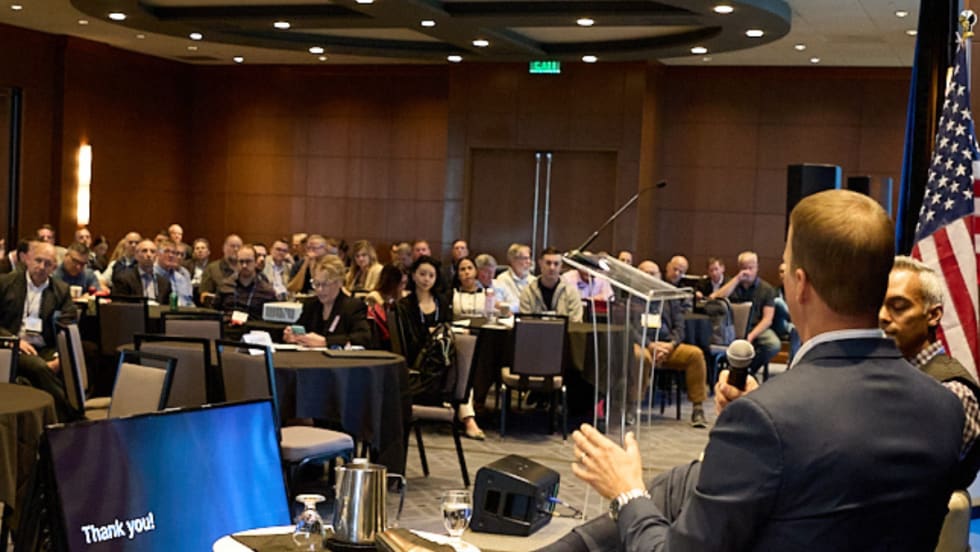
NETS Sets 2026 Fleet Safety Benchmark Conference for Indianapolis
The Sept. 15–17 program will feature fleet benchmarking data, case studies, emerging technologies, and implementation strategies while running alongside the NSC Safety Congress & Expo.
Read More →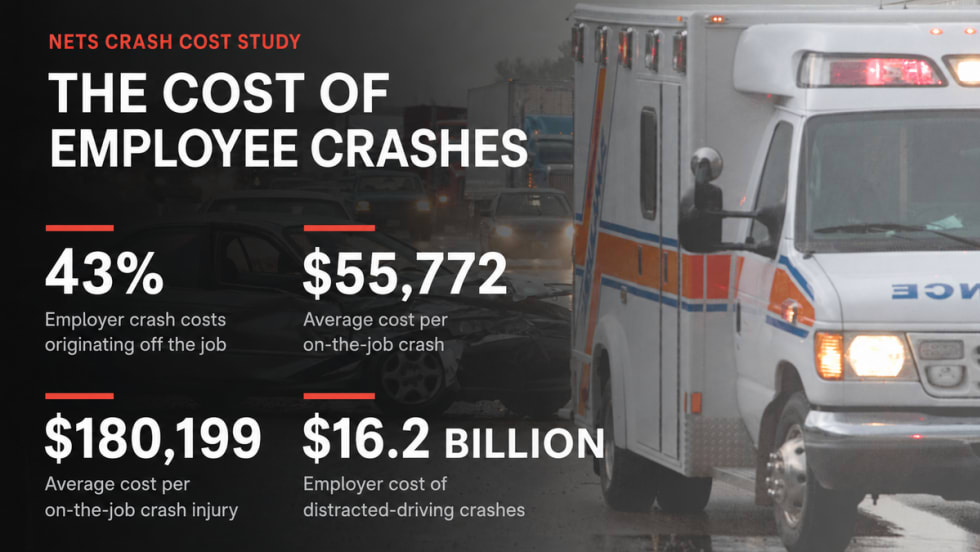
Off-the-Job Crashes Account for 43% of Employers’ $61.7 Billion Crash Burden
NETS quantifies costs dispersed across fleet, risk, HR, and other departments while providing new per-crash benchmarks for employers.
Read More →
Ram Recalls More Than 1.27 Million 1500 Pickups for Seat Belt Anchor Issue
The recall affects certain 2019-2026 Ram 1500 pickups that may have improperly attached second-row seat belt buckle anchors.
Read More →
How Better Visibility Cut Speeding Violations by 48%
Fleet leaders don't need more data, they need clearer visibility into what the data is saying. This case study explores how one utility replaced speeding-event counts with a single metric — miles driven in violation — to strengthen safety and significantly reduce speeding violations.
Read More →
Operation Safe Driver Week: Why the Industry's Oldest Safety Campaign Still Matters to Fleets
A look at how a 2007 enforcement initiative became one of the most consequential weeks on the fleet safety calendar, and what it means for your drivers in 2026.
Read More →
Nexar-Nauto Merger Aims to Give Fleets Better Safety Intelligence Through Larger Driving Dataset
Stefan Heck tells Automotive Fleet that combining more than 10 billion miles of driving history with Nexar's AI models will give fleets deeper insights into driver risk and roadway conditions than either company could provide independently.
Read More →
From Silos to Solutions: Relationship Management for Safer Fleets
From telematics adoption and driver accountability to policy consistency and risk mitigation, this episode breaks down what it really takes to build a safer fleet culture without slowing business down.
Read More →