




Fleet Safety Tip of the Week
With winter officially beginning this week, Ford has released a Top 10 list of winter and holiday driving safety advice.
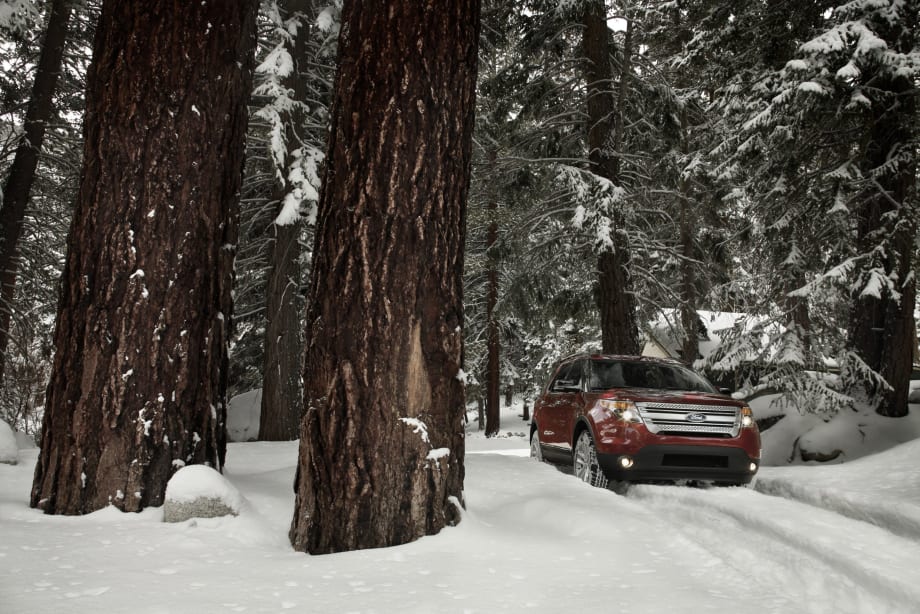
With winter officially beginning this week, Ford has released a Top 10 list of winter and holiday driving safety advice. You may want to pass these DO’s and DON’Ts along to your drivers as a friendly reminder.
10. DO allow a few minutes to brush and scrape your vehicle. Clearing windows is crucial for visibility, and removing snow or ice from the top of your car will spare cars behind you from encountering an unexpected snow assault, impairing visibility or even cracking a windshield.
DON’T forget to clean snow and ice off your headlights and taillights as well.
9. DO use winterized windshield wiper fluid to make sure your wiper sprayer doesn’t freeze over or crack, preventing you from washing away dirt and salt.
DON’T try to melt ice from your windshield by pouring hot water on it. Using hot water can crack the windshield.
8. DO wash your car regularly to remove salt and dirt from the roadways.
DON’T let road grime prematurely age the body of your vehicle by neglecting to bathe it.
7. DO maintain at least half a tank of gas to prevent unnecessarily stranding yourself in adverse conditions. DON’T forget to check that all fluids are at proper levels and ensure all tires, including the spare, have the required pressure and tread.
6. DO prepare your car for an emergency. Essential items to keep in the trunk are a blanket to stay warm, proper attire (boots, jacket, hat and gloves) in case you have to be outside for an extended period of time, a shovel, flashlight with fresh batteries and snacks. Keep your cell phone charged to call help if necessary.
DON’T forget the kitty litter or sand, which can be used to provide added traction if your car becomes stuck in the snow.
5. DO remain aware of what’s around you on the road, including checking your blind spots and keeping an eye out for pedestrians or lost reindeer from Santa’s sleigh.
DON’T follow too closely. The general rule is the vehicle ahead should pass a road marker two seconds before you. In slippery conditions, it is recommended to double the amount of space between you and the vehicle in front.
4. DO apply even pressure when braking in slick conditions if your vehicle is equipped with anti-lock brakes. Keep in mind anti-lock brakes do not shorten stopping distance, but they do help you maintain control. DON’T become overconfident in snowy and slippery road conditions. Always test road conditions with cautious driving when the surface area is wet or icy, particularly on bridges and overpasses.
3. DO turn the steering wheel in the direction of the slide when driving on snowy or icy roads until you gain control. DON’T apply power or change directions suddenly on snow or ice.
2. DO stay calm if you find yourself stuck in the snow or broken down on the side of the road in adverse conditions. DON’T leave your car unless available shelter is close by. If you need to run the engine to stay warm, make sure the exhaust pipe isn’t clogged with snow so the interior stays clear of harmful carbon monoxide.
1. DO make sure you are awake and alert behind the wheel. If necessary, take a break and grab a coffee. DON’T lose track of how many eggnogs you consumed at the holiday party. The most important holiday safe driving tip of all is to refrain from drinking and driving under all circumstances. If you think you will drink, arrange for alternate transportation ahead of time.
More Safety
Stellantis Recalls 1.3 Million Jeep Vehicles Worldwide Over Fire Risk
Stellantis is recalling more than 1.3 million Jeep Wrangler and Gladiator models worldwide over a fire risk linked to power steering pump wiring.
Read More →
Coaching Is Not Training, Even When AI Is Doing It
AI-powered safety platforms can detect risky behaviors and deliver immediate feedback. But effective driver development still requires a foundation of training followed by coaching that reinforces those skills.
Read More →
How Emotions Behind the Wheel Can Affect Fleet Safety
During National Safety Month, fleets are encouraged to look beyond distracted driving and recognize how stress, fatigue, and emotional well-being influence driver performance and crash risk.
Read More →

Nominations Open for 2026 Fleet Safety Award
Nominations have officially opened for the 2026 Fleet Safety Award Winner.
Read More →
Turning Connected Vehicle Data Into Decisions That Matter
Fleet leaders have more data than ever, but turning that data into clear, actionable decisions remains a challenge. This white paper shows how leading organizations are using connected vehicle data to improve safety, reduce costs, and optimize fleet performance. Learn how to turn insight into action across your fleet.
Read More →
Cameras, Safety and Insurance: From Reactive Claims to Real-time Prevention
Commercial auto remains one of the most challenging and costly lines of coverage for fleet operators and insurers alike. Learn more about how to effectively address these issues from Onur Aksan, Enterprise Business Development Executive, Geotab.
Read More →
NAFA Fleet Safety Symposium to Collocate With 2026 Fleet Forward Conference
The daylong certificate program will precede the Fleet Forward Conference at the Gaylord National Harbor in Maryland.
Read More →
The Distractions You Can’t Turn Off: What Drivers Face Outside the Vehicle
Fleet drivers face constant visual, cognitive, and environmental interruptions the moment they hit the road. From roadside chaos to mental fatigue and digital overload, today’s biggest driving risks often come from outside the vehicle itself.
Read More →
FLASH Weather AI Launches First Deep-Learning Hail Prediction Model With High-Resolution Forecasting
FLASH Weather AI has launched a first-of-its-kind hail prediction model capable of forecasting hail size and arrival time at 1-kilometer resolution up to 55 minutes ahead, giving fleets and insurers critical time to prepare for severe storms.
Read More →
How Coca-Cola United Protects Its Fleet from Growing Legal Risk
As litigation risk rises, vehicles are increasingly targeted. This Coca-Cola bottler shares how it’s reducing exposure through driver training, technology, and a proactive risk management approach.
Read More →