




Fleet Safety Tip of the Week
Some parts of the country have already seen snowfall, so now is a good time to review AAA's Winter Car Care Checklist.
Some parts of the country have already seen snowfall, so now is a good time to review AAA's Winter Car Care Checklist:
Battery and Charging System – Have the battery and charging system tested by a trained technician. A fully charged battery in good condition is required to start an engine in cold weather.
Battery Cables and Terminals – Make sure the battery terminals and cable ends are free from corrosion, and the connections are tight.
Drive Belts – Inspect the underside of accessory drive belts for cracks or fraying. Many newer multi-rib “serpentine” belts are made of materials that do not show obvious signs of wear; replace these belts at 60,000-mile intervals.
Engine Hoses – Inspect cooling system hoses for leaks, cracks or loose clamps. Also, squeeze the hoses and replace any that are brittle or excessively spongy feeling.
Tire Type and Tread – In areas with heavy winter weather, installing snow tires on all four wheels will provide the best winter traction. All-season tires work well in light to moderate snow conditions, provided they have adequate tread depth. Replace any tire that has less than 3/32-inches of tread. Uneven tire wear can indicate alignment, wheel balance or suspension problems that must be addressed to prevent further tire damage.
Tire Pressure – Check tire inflation pressure more frequently in fall and winter. As the average temperature drops, so will tire pressures – typically by 1 PSI for every 10 degrees Fahrenheit. The proper tire pressure levels can be in the owner’s manual or on a sticker typically located on the driver’s side door jamb. Also, check the spare.
Air Filter – Check the engine air filter by holding it up to a 60-watt light bulb. If light can be seen through much of the filter, it is still clean enough to work effectively. However, if light is blocked by most of the filter, replace it.
Coolant Levels – Check the coolant level in the overflow tank when the engine is cold. If the level is low, add a 50/50 solution of coolant and water to maintain the necessary antifreeze capability. Test the antifreeze protection level with an inexpensive tester available at any auto parts store.
Lights – Check the operation of all headlights, taillights, brake lights, turn signals, emergency flashers and back-up lights. Replace any burned out bulbs.
Wiper Blades – The blades should completely clear the glass with each swipe. Replace any blade that leaves streaks or misses spots. In areas with snow, consider installing winter wiper blades that wrap the blade frame in a rubber boot to reduce ice and snow buildup that can prevent good contact between the blade and the glass.
Washer Fluid – Fill the windshield washer fluid reservoir with a winter cleaning solution that has antifreeze components to prevent it from freezing.
Brakes – If there is any indication of a brake problem, have the system inspected by a certified technician to ensure all components are in good working order.
Transmission, Brake and Power Steering Fluids – Check all fluids to ensure they are at or above the minimum safe levels.
Emergency Road Kit – Carry an emergency kit equipped for winter weather. The kit should include:
• Bag of abrasive material (sand, salt, cat litter) or traction mats
• Snow shovel
• Flashlight with extra batteries
• Window washer solvent
• Ice scraper with brush
• Cloth or roll of paper towels
• Jumper cables
• Extra warm clothing (gloves, hats, scarves)
• Blankets
• Warning devices (flares or triangles)
• Drinking water
• Non-perishable snacks for both human and pet passengers
• First-aid kit
• Basic toolkit (screwdrivers, pliers, adjustable wrench)
• Mobile phone and car charger pre-programmed with rescue apps and important phone numbers including family and emergency services.
More Safety

Nominations Open for 2026 Fleet Safety Award
Nominations have officially opened for the 2026 Fleet Safety Award Winner.
Read More →
Turning Connected Vehicle Data Into Decisions That Matter
Fleet leaders have more data than ever, but turning that data into clear, actionable decisions remains a challenge. This white paper shows how leading organizations are using connected vehicle data to improve safety, reduce costs, and optimize fleet performance. Learn how to turn insight into action across your fleet.
Read More →
Cameras, Safety and Insurance: From Reactive Claims to Real-time Prevention
Commercial auto remains one of the most challenging and costly lines of coverage for fleet operators and insurers alike. Learn more about how to effectively address these issues from Onur Aksan, Enterprise Business Development Executive, Geotab.
Read More →

NAFA Fleet Safety Symposium to Collocate With 2026 Fleet Forward Conference
The daylong certificate program will precede the Fleet Forward Conference at the Gaylord National Harbor in Maryland.
Read More →
The Distractions You Can’t Turn Off: What Drivers Face Outside the Vehicle
Fleet drivers face constant visual, cognitive, and environmental interruptions the moment they hit the road. From roadside chaos to mental fatigue and digital overload, today’s biggest driving risks often come from outside the vehicle itself.
Read More →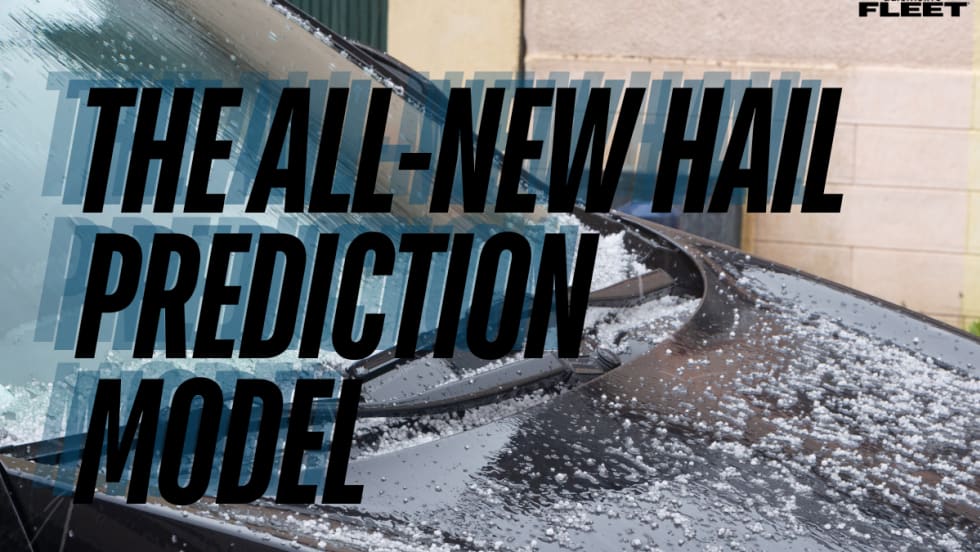
FLASH Weather AI Launches First Deep-Learning Hail Prediction Model With High-Resolution Forecasting
FLASH Weather AI has launched a first-of-its-kind hail prediction model capable of forecasting hail size and arrival time at 1-kilometer resolution up to 55 minutes ahead, giving fleets and insurers critical time to prepare for severe storms.
Read More →
How Coca-Cola United Protects Its Fleet from Growing Legal Risk
As litigation risk rises, vehicles are increasingly targeted. This Coca-Cola bottler shares how it’s reducing exposure through driver training, technology, and a proactive risk management approach.
Read More →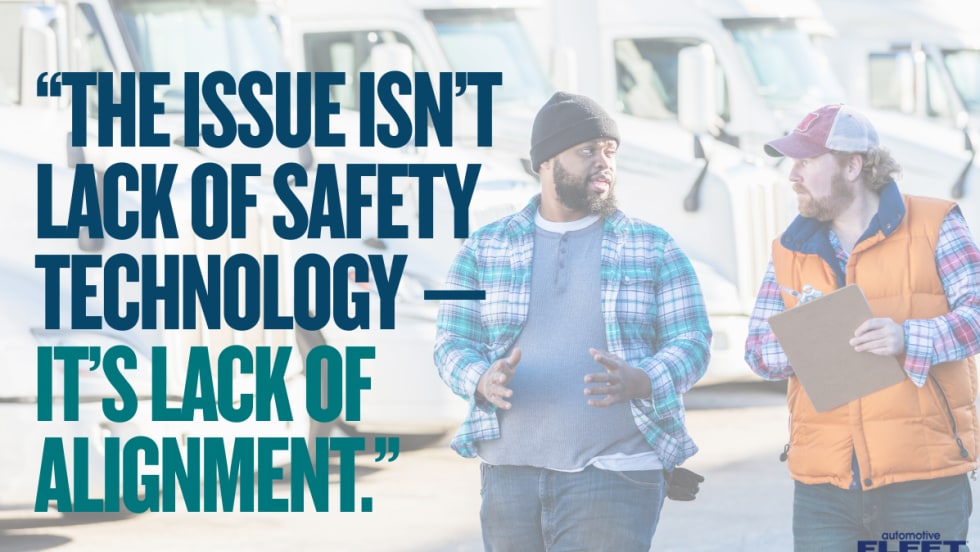
How to Speak the Same Language on Fleet Safety
Drivers, supervisors, and data often speak different safety “languages.” Getting on the same page will drive better results.
Read More →
Fleet Cybersecurity 101: What You Need from Your Technology Vendors
From identity management to third-party certifications, the right technology partner should make security easier to manage. Here are the three building blocks that fleet managers need to stay in control as connected systems scale.
Read More →
Reducing Risk by Eliminating Phone Use Behind the Wheel
Distracted driving remains one of the most persistent risks in fleet operations. New approaches focus on removing mobile device use entirely while adding real-time safety support.
Read More →