




Fleet Safety Tip of the Week
While city workers in parts of New York and New Jersey struggle to clear all roads after recent snow storms, now seems to be a good time to remind fleet drivers in all states about precautions they can take during winter driving conditions.
While city workers in parts of New York and New Jersey struggle to clear all roads after recent snow storms, now seems to be a good time to remind fleet drivers in all states about precautions they can take during winter driving conditions. Here is some advice from the state of Michigan:
Check the battery, which can lose half of its power in cold temperatures. Have it tested by a certified mechanic if it is more than three years old. It's also a good idea to clean the posts and connections of any corrosion.
Pay attention to the tires. Maintaining proper tire pressure is essential year-round, especially in the winter when snowy conditions reduce traction. Keep in mind that air pressure in cold tires will drop because air contracts as it cools.
Make sure there is a clear field of view. Replace the wiper blades if necessary. They can deteriorate after only a year or two. Effective wipers are a must in order to remove snow, rain and road slush from the windshield. Also, fill the window-washer reservoir with cleaning fluid. Don't use plain water because it will freeze.
Use the right oil. It should have the proper viscosity for winter driving. Oil thickens in cold weather. Oil that gets too thick won't lubricate the engine sufficiently.
Inspect the belts and hoses. Cold weather can cause extra wear and tear.
Avoid moisture in the fuel tank. When the temperature dips, it's a good idea to keep your gas tank filled. That helps to prevent moisture from forming in the tank. Moisture can cause an engine to run rough or even prevent it from starting. Consider putting a bottle of fuel de-icer in the tank as well, to help keep moisture from the fuel line.
Flush and refill the cooling system as recommended by the manufacturer. Check the coolant's level and concentration periodically.
Check the four-wheel drive system. If the vehicle is equipped with four-wheel drive, make sure it's in working order before the snow flies. Since most people don't use the system in the summer, it doesn't hurt to make sure the system engages properly and that all gear oil levels are correct.
Carry an emergency kit. It should include items such as a flashlight, first-aid supplies, jumper cables, a blanket and warm clothes, paper towels, a snow shovel, a well-stocked tool box and extra food and water.
More Safety
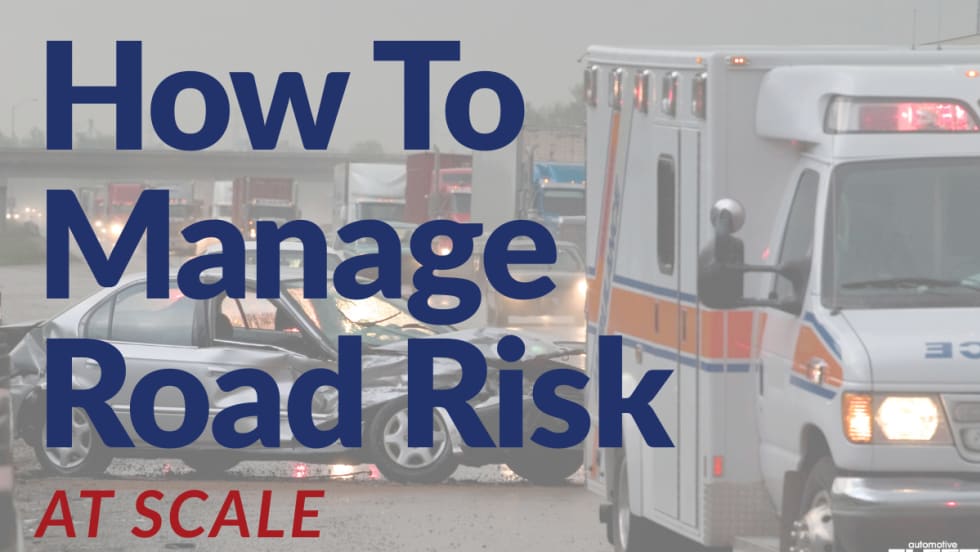
Managing Road Risk at Scale: Why Fleet Safety Needs a Data-Driven Framework
Insights from the FIA Road and Driver Safety Indexes reveal how to manage road risk on a larger scale.
Read More →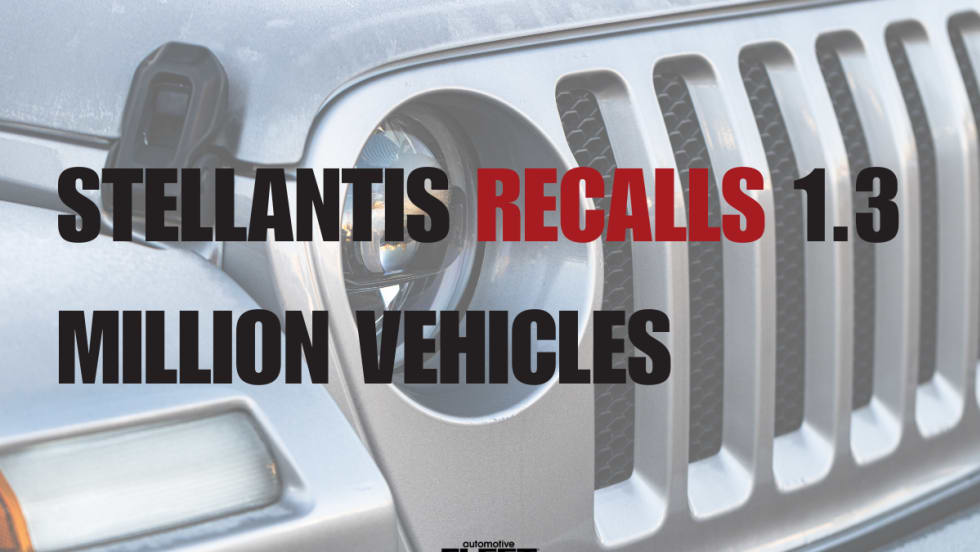
Stellantis Recalls 1.3 Million Jeep Vehicles Worldwide Over Fire Risk
Stellantis is recalling more than 1.3 million Jeep Wrangler and Gladiator models worldwide over a fire risk linked to power steering pump wiring.
Read More →
Coaching Is Not Training, Even When AI Is Doing It
AI-powered safety platforms can detect risky behaviors and deliver immediate feedback. But effective driver development still requires a foundation of training followed by coaching that reinforces those skills.
Read More →
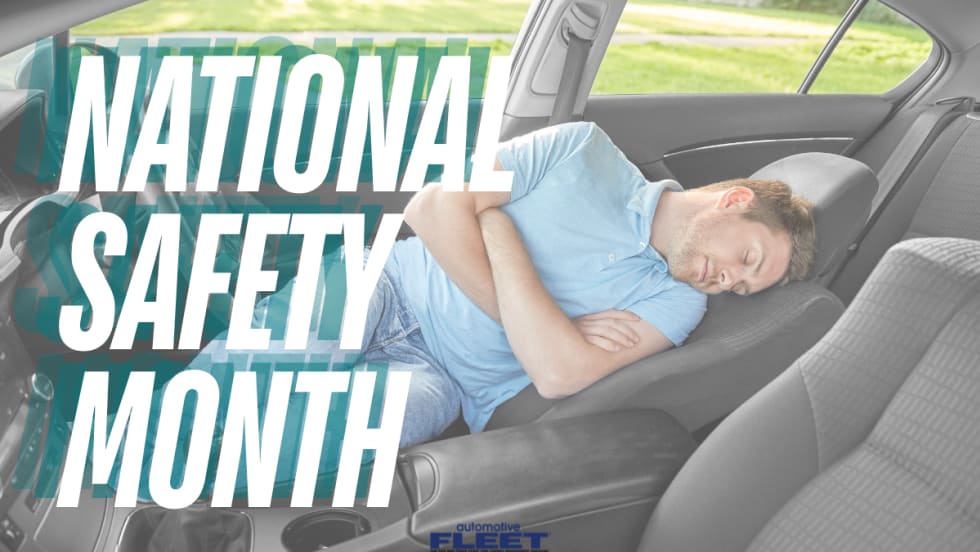
How Emotions Behind the Wheel Can Affect Fleet Safety
During National Safety Month, fleets are encouraged to look beyond distracted driving and recognize how stress, fatigue, and emotional well-being influence driver performance and crash risk.
Read More →
Nominations Open for 2026 Fleet Safety Award
Nominations have officially opened for the 2026 Fleet Safety Award Winner.
Read More →
Turning Connected Vehicle Data Into Decisions That Matter
Fleet leaders have more data than ever, but turning that data into clear, actionable decisions remains a challenge. This white paper shows how leading organizations are using connected vehicle data to improve safety, reduce costs, and optimize fleet performance. Learn how to turn insight into action across your fleet.
Read More →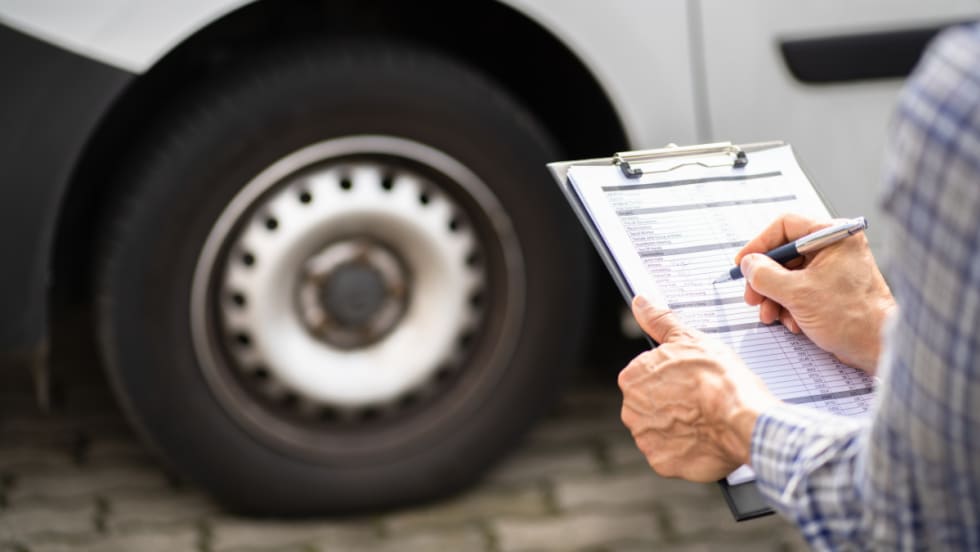
Cameras, Safety and Insurance: From Reactive Claims to Real-time Prevention
Commercial auto remains one of the most challenging and costly lines of coverage for fleet operators and insurers alike. Learn more about how to effectively address these issues from Onur Aksan, Enterprise Business Development Executive, Geotab.
Read More →
NAFA Fleet Safety Symposium to Collocate With 2026 Fleet Forward Conference
The daylong certificate program will precede the Fleet Forward Conference at the Gaylord National Harbor in Maryland.
Read More →
The Distractions You Can’t Turn Off: What Drivers Face Outside the Vehicle
Fleet drivers face constant visual, cognitive, and environmental interruptions the moment they hit the road. From roadside chaos to mental fatigue and digital overload, today’s biggest driving risks often come from outside the vehicle itself.
Read More →
FLASH Weather AI Launches First Deep-Learning Hail Prediction Model With High-Resolution Forecasting
FLASH Weather AI has launched a first-of-its-kind hail prediction model capable of forecasting hail size and arrival time at 1-kilometer resolution up to 55 minutes ahead, giving fleets and insurers critical time to prepare for severe storms.
Read More →