




Fleet Response Hosts Client Appreciation Event
Fleet Response celebrated 30 years in business by hosting clients and prospective companies at an appreciation event that highlighted the city of Cleveland, where Fleet Response is headquartered, according to the company.
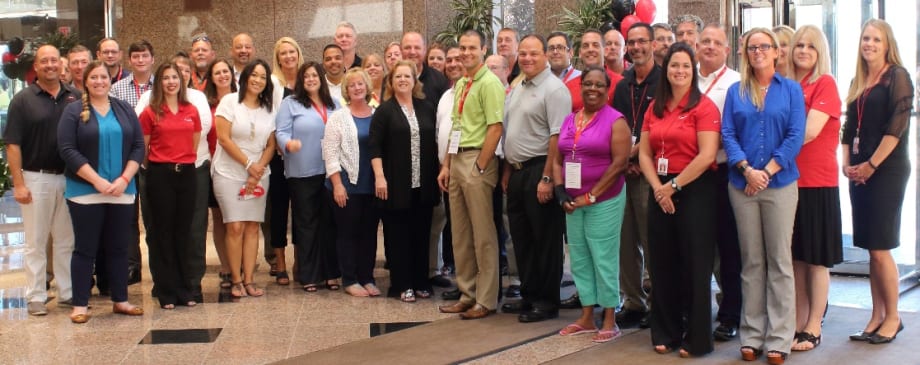
Photo courtesy of Fleet Response.
Photo courtesy of Fleet Response.
Fleet Response celebrated 30 years in business by hosting clients and prospective companies at an appreciation event that highlighted the city of Cleveland, where Fleet Response is headquartered, according to the company.
The two-day event started at Fleet Response's corporate headquarters with business meetings, demonstrations of system enhancements and a safety seminar led by Jerry Veres, Fleet Response's safety program coordinator. Jerry's presentation focused on demonstrating how to develop good driving habits and effectively deliver safety messages, as well as a included a review of 2015 collision data with a breakdown of costs and frequency of specific incidents.
The Fleet Response client advisory board met to share technology advancements in process, valuable feedback on FleetSuite, as well as provide recommendations for the direction of future program capabilities and customization. Guests enjoyed time at Progressive Field and experienced an up-close view of the Cleveland Cavaliers championship parade.
"Fleet Response was excited to welcome our guests to Cleveland for this event to help celebrate our 30 years in business" said Allison Lanzilotta, executive vice president. "The event not only provided our guests with the opportunity to meet with their Fleet Response team and network with their peers, but they were able to do so in an exciting Cleveland environment."
More Safety

Nexar-Nauto Merger Aims to Give Fleets Better Safety Intelligence Through Larger Driving Dataset
Stefan Heck tells Automotive Fleet that combining more than 10 billion miles of driving history with Nexar's AI models will give fleets deeper insights into driver risk and roadway conditions than either company could provide independently.
Read More →
Don't Wait for a Crisis: 5 Ways to Build Mental Health Into Your Fleet Safety Program
For Suicide Prevention Month, fleet and safety leaders have an opportunity to put mental health where it belongs: at the center of workplace safety.
Read More →
How Camera Data Can Strengthen a Fleet’s Insurance Renewal
Insights from a commercial insurance carrier and a broker show how fleets can turn video telematic data, driver coaching, and improved claims results into a stronger case at insurance renewal.
Read More →
The Safest Fleets Aren’t the Ones with the Most Technology
You’ve made the telematics investment. Here’s how to capture the other half of its value and build the safest fleet on the road.
Read More →
Hidden in Plain Sight: Fleet Compliance Risks
Fleet compliance isn't just about having policies — it's about consistently enforcing them. This practical guide reveals six hidden compliance risks common in public sector and shared fleet operations and outlines proven strategies to improve visibility, accountability, and audit readiness
Read More →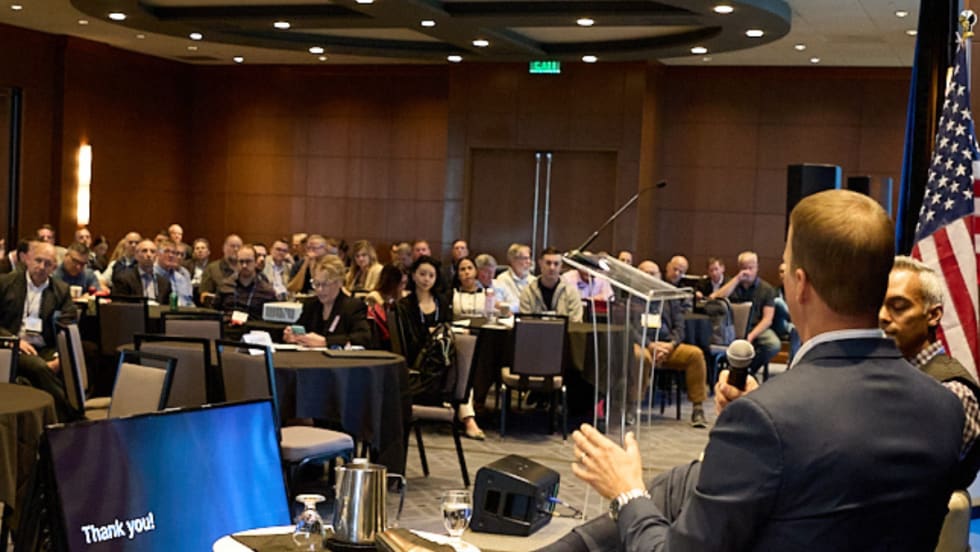
NETS Sets 2026 Fleet Safety Benchmark Conference for Indianapolis
The Sept. 15–17 program will feature fleet benchmarking data, case studies, emerging technologies, and implementation strategies while running alongside the NSC Safety Congress & Expo.
Read More →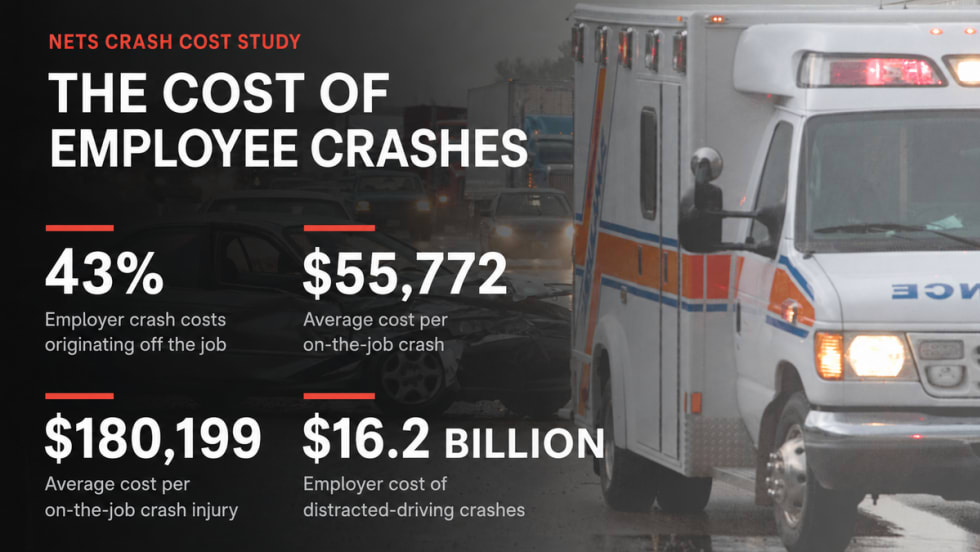
Off-the-Job Crashes Account for 43% of Employers’ $61.7 Billion Crash Burden
NETS quantifies costs dispersed across fleet, risk, HR, and other departments while providing new per-crash benchmarks for employers.
Read More →
Ram Recalls More Than 1.27 Million 1500 Pickups for Seat Belt Anchor Issue
The recall affects certain 2019-2026 Ram 1500 pickups that may have improperly attached second-row seat belt buckle anchors.
Read More →
How Better Visibility Cut Speeding Violations by 48%
Fleet leaders don't need more data, they need clearer visibility into what the data is saying. This case study explores how one utility replaced speeding-event counts with a single metric — miles driven in violation — to strengthen safety and significantly reduce speeding violations.
Read More →
Operation Safe Driver Week: Why the Industry's Oldest Safety Campaign Still Matters to Fleets
A look at how a 2007 enforcement initiative became one of the most consequential weeks on the fleet safety calendar, and what it means for your drivers in 2026.
Read More →