





Electric Fleet Vehicles Hit the Real Street of Hurdles and Results
Fleet Owners Delay EV Transition Because of Rising Costs
A survey of 1,800 global fleet operators by Teletrac Navman uncovers the biggest challenges global fleets are facing and how they are responding in a vastly changing and increasingly complex environment.
February 28, 2023
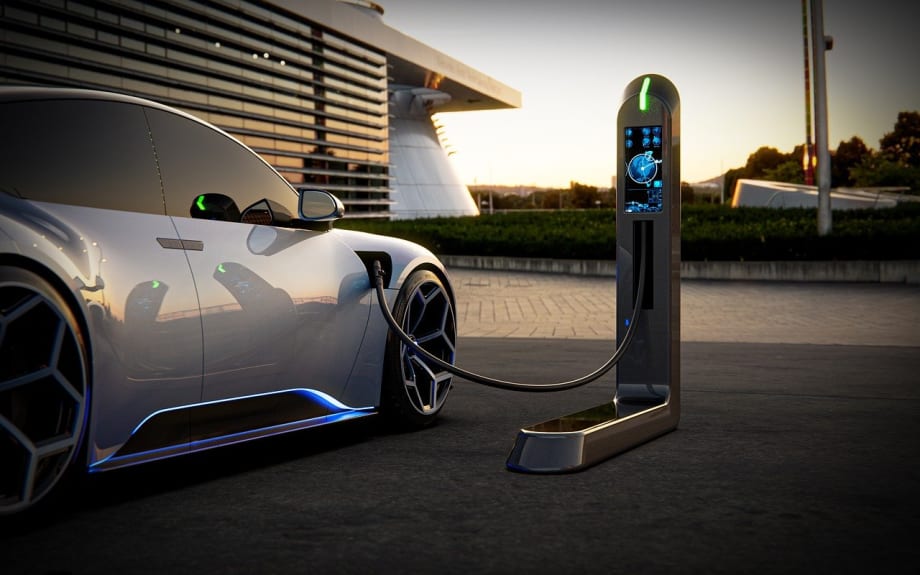
Fuel conversion (23%) remains a challenge with EV supply, as well as purchase price and charging infrastructure concerns.
Photo: Pixabay.com / LeeRosario
3 min to read
A Teletrac Navman survey of 1,800 global fleet operators has revealed that rising fuel costs (39%), disruption due to the impact of COVID-19 (32%), and supply chain pressure (31%), are the top challenges they currently face.
“The last 12 months have created new complexities for fleets, but fuel cost rises are the number one concern for operators globally,” said Alain Samaha, president & CEO of Teletrac Navman in a statement. “As the cost per gallon of fuel spiked throughout last year, many operators looked to overcome the rising costs with driver behaviour programs and EV transition plans.”
EV Transition
With rising fuel costs and the global response to reducing all forms of carbon emissions building momentum, fuel conversion (23%) remains a key challenge with EV supply, alongside purchase price, and charging infrastructure concerns. A third (32%) of respondents said that the conversion to next generation fuels is one of their largest areas of expense (second to purchasing new vehicles).
Conversion is also high on the agenda for fleet owners due to concerns about their environmental impact. More than a third (41%) of those surveyed said environmental impact is their biggest concern about the current economic environment; outside of transitioning to next generation fuels — of which 30% were looking to transition to EVs in the next 12 months — maintenance of existing fleet continued to be largest expense for 39% of those surveyed.
Infographic by Teletrac Navman
“With supply chain issues continuing to impact EV vehicle availability and cost, some fleets are struggling to start the transition and are having to find ways to safely extend vehicle life through preventative maintenance and more conscientious use on the road,” added Mayank Sharma, head of global product Management & UX. “However, those with the available capex to be early movers to EVs could gain a competitive advantage as they won't be exposed to any further rising petrol or diesel costs, they'll be reducing their environmental impact which is coming more into play in customer contracts, and will likely benefit from government grants and subsidies that will later be removed.”
Technology Investments
Over the course of 2023, fleets are looking to make investments in expanding their offering through technological integrations (48%), while also using technology to aid compliance (39%). Improving customer experience (39%) and recruiting and retaining drivers (31%) were also high on the list of planned investments for the next 12 months.
As with the start of any new year, the market experiences emerging opportunities and technologies that will benefit fleets. In terms of emerging technologies, fleets are focusing on implementing more digital workflows (39%) and video telematics (38%), as they seek to increase efficiency and manage the top three fleet business costs (fuel, payroll, and maintenance).
Telematics Hits the Road
With the look toward technology, nearly all (98%) respondents said they were using either a sourced or manufacturer-provided telematics solution across their fleet. While vehicle tracking (43%) was understandably the number one reason for utilising telematics, managing driver performance (33%) was the next priority, followed by using it for proof of service/job completion (32%), and monitoring fuel usage (30%) in tough economic conditions.
Regarding driver performance, improved driver safety (37%) was the biggest benefit of using telematics, with nearly a quarter (24%) stating it helped prevent fatigue on the road. Moreover, 89% of those surveyed used telematics to benchmark behaviour, with 91% also seeing a reduction in accidents and 24% implementing new driver behaviour to help navigate the high fuel costs. And with 31% of global fleets concerned about increasing wage demands in a cost-of-living crisis, 37% are using benchmarking to provide performance-based bonuses in a bid to retain drivers.
“Driver performance benchmarking is a great method of inspiring drivers to perform better and safer on the road,” said Sharma. “And with the growth in mobile applications it has never been easier for drivers to see how they are performing against targets and peers. In fact, 40% of our respondents say that implementing telematics has helped to build a safe driving culture within their organizations.”
More Green Fleet
Sponsored•October 1, 2026
New Propane Autogas Program Offers Fleet Compensation
Qualified commercial fleets can receive $7,500 per eligible propane autogas vehicle and up to $10,000 for new refueling site prep. Learn how the program works and see whether your fleet qualifies.
Read More →
EV Charging Use Is Outpacing Infrastructure Growth
ChargePoint’s 2026 Charging Forward Report points to rising charger use, higher-powered charging, commercial vehicle electrification, and energy-management technology. Here’s what fleets should know.
Read More →
Merchants Fleet Reports 290M EV Miles as Fleets Navigate Changing Electrification Market
From millions in operating savings to hundreds of millions of EV miles, Merchants Fleet’s latest report reveals what’s working and what’s changing in fleet electrification.
Read More →

The EV Breakdown Nobody's Talking About: Why Most Electric Vehicle Roadside Calls Aren't Mechanical Failures
Here's why EV breakdowns are widely misunderstood.
Read More →
ChargePoint Now Available in Energy Pass
ChargePoint and additional planned charging network integrations were added to GM's Energy Pass.
Read More →

First Look: Slate Auto's Electric Fleet Pickup
Could an affordable, modular EV pickup make electrification more practical for fleets?
Read More →
Slate Debuts Colorful, Unique EV Models
A recent media and client event, studded with electric vehicles dressed up on platforms, planted a new position for the manufacturer in the wider EV market. Fleets will find cost-saving advantages.
Read More →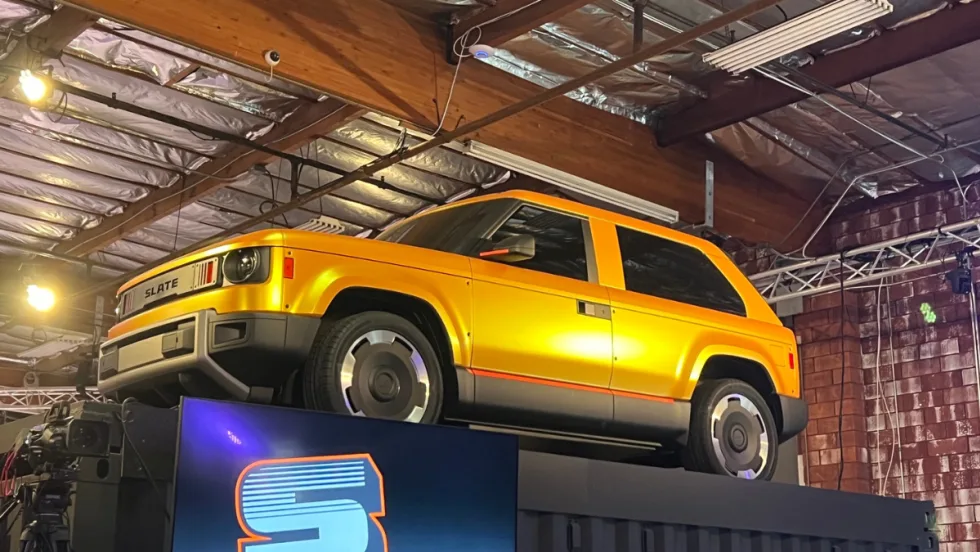
Slate Electric SUV, Pickup Switchable Model Aims For Light-Duty Fleets
Everything about this EV is counterintuitive and understated, making it stand out from the crowd.
Read More →
Inspiration Mobility Acquires Key Electrada Assets
Inspiration Mobility Group has acquired select assets of Electrada, adding the fleet electrification provider's team, technology, and charging infrastructure development capabilities to its energy management business.
Read More →