





Related: Ford Pro Drive App Now Integrates Fleets' Private Charging Locations
Fleet Electrification Plans Accelerate, but Policy and Charging Hurdles Persist
Fleet electrification plans are accelerating, but research from The Futurum Group finds most operators lack workplace and home charging policies. Fleet managers must close these gaps to ensure cost control and compliance.
August 20, 2025
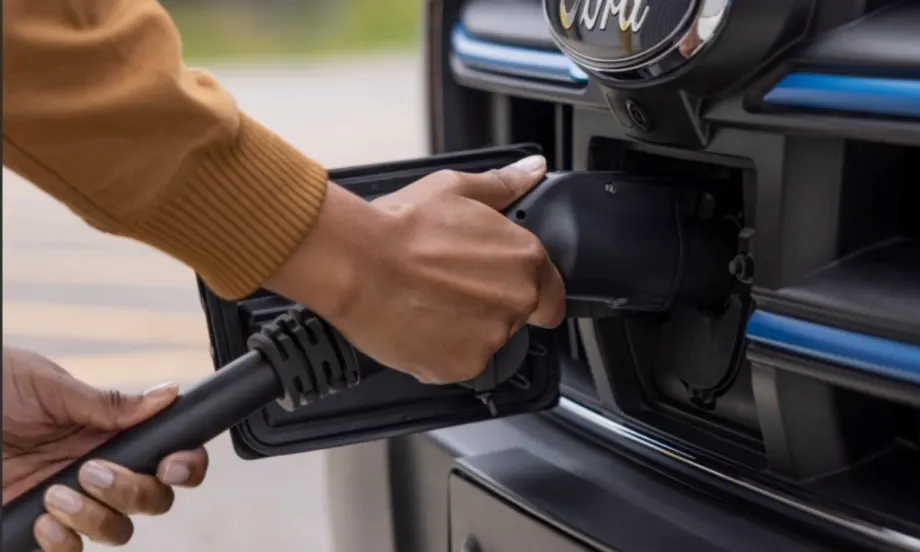
Most fleets plan to adopt EVs within two years, but research by The Futurum Group highlights that charging policies and infrastructure are still challenges.
Photo: Ford
2 min to read
U.S. fleets continue preparing for large-scale electrification by 2027, though many organizations are still developing workplace policies for vehicle use and charging, according to new research by The Futurum Group. The findings are based on a survey of 165 large enterprises in the U.S., each with revenues exceeding $100 million.
Policy Gaps Create Risk and Consistency Challenges
While most fleets are technically preparing for EV adoption, many organizations remain behind in developing operational frameworks. These gaps are not slowing adoption but do raise concerns around risk management, consistency, and driver support:
Only 5% of organizations have comprehensive, updated policies covering take-home EV use and at-home charging.
41% of companies lack policies for workplace or residential charging.
More than a third of enterprise leaders currently prevent employees from taking home company EVs, citing financial and operational concerns.
These policy gaps are slowing EV integration, particularly as fleets expand beyond pilot programs into larger-scale deployments.
Home Charging Critical to Growth
Home charging is seen as one of the most important enablers of electrification:
More than half of fleet operators surveyed said facilitating home charging would remove a major hurdle.
About a quarter of organizations are already moving forward with home charging programs, with some covering installation costs and reimbursing employees for electricity.
Operational Best Practices Identified
Fleet managers surveyed identified several best practices for advancing EV adoption while addressing policy needs:
Home charging setup: Conduct site assessments to confirm electrical capacity and obtain approvals.
Driver education: Provide clear guidelines on vehicle use and charging behavior.
Workplace charging rules: Establish policies for charger access, sharing, and reimbursement.
Reimbursement models: Use stipends, per-mile rates, or tracked kWh usage to fairly cover home charging costs.
Telematics integration: Track charging activity to support policy compliance and reimbursement.
Preparing for Next-Phase Electrification
The survey findings emphasize that EV adoption is not only a technology transition but also an operational one. Developing clear policies will be critical to supporting drivers, maintaining compliance, and managing costs.
“As home charging becomes a central part of EV adoption, it’s essential for fleets to implement policies that are both fair and practical,” said Carly Dobbins-Bucklad, strategy and infrastructure senior manager at Ford Pro Charging.
With nearly all fleets surveyed planning to add EVs by 2027, progress will hinge on how effectively organizations align infrastructure investments with operational frameworks that ensure consistency and minimize risk.
More Green Fleet
Sponsored•October 1, 2026
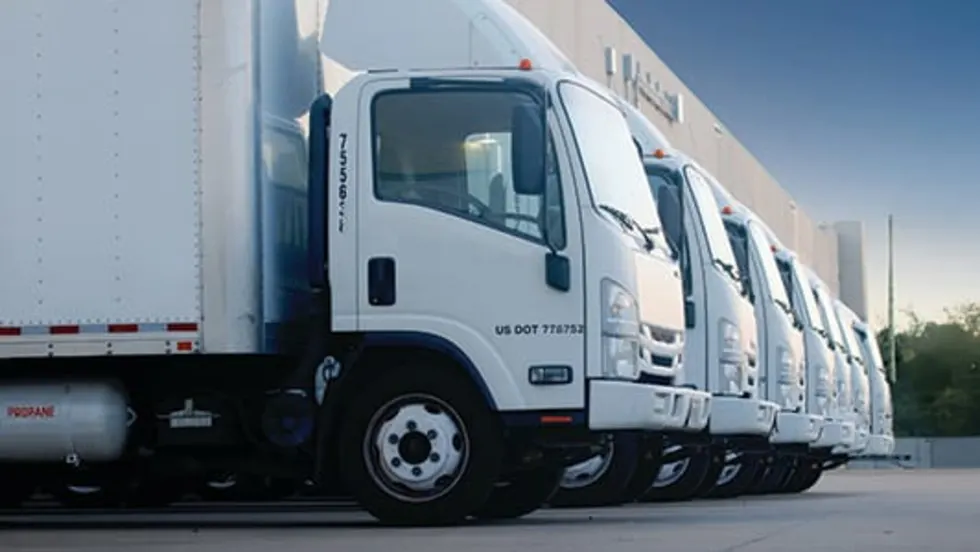
New Propane Autogas Program Offers Fleet Compensation
Qualified commercial fleets can receive $7,500 per eligible propane autogas vehicle and up to $10,000 for new refueling site prep. Learn how the program works and see whether your fleet qualifies.
Read More →
EV Charging Use Is Outpacing Infrastructure Growth
ChargePoint’s 2026 Charging Forward Report points to rising charger use, higher-powered charging, commercial vehicle electrification, and energy-management technology. Here’s what fleets should know.
Read More →
Merchants Fleet Reports 290M EV Miles as Fleets Navigate Changing Electrification Market
From millions in operating savings to hundreds of millions of EV miles, Merchants Fleet’s latest report reveals what’s working and what’s changing in fleet electrification.
Read More →
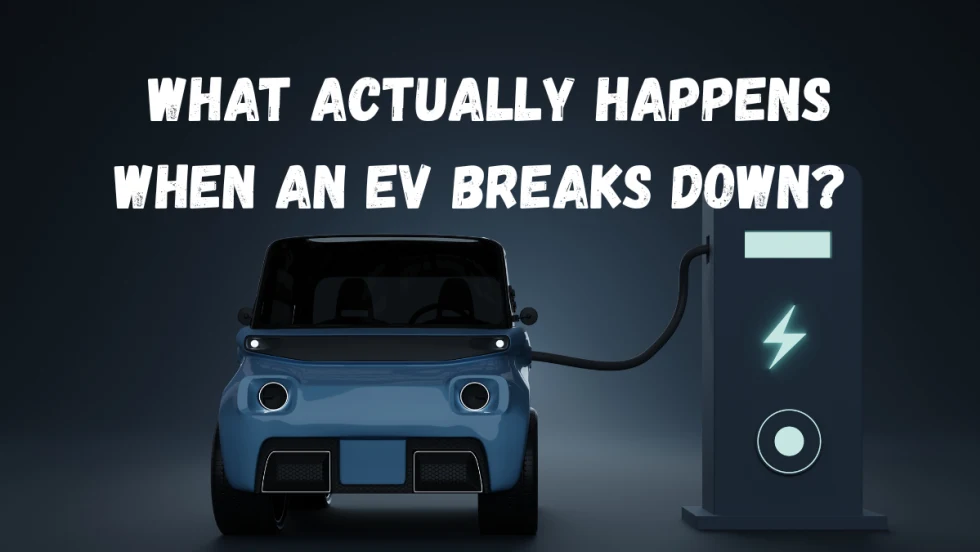
The EV Breakdown Nobody's Talking About: Why Most Electric Vehicle Roadside Calls Aren't Mechanical Failures
Here's why EV breakdowns are widely misunderstood.
Read More →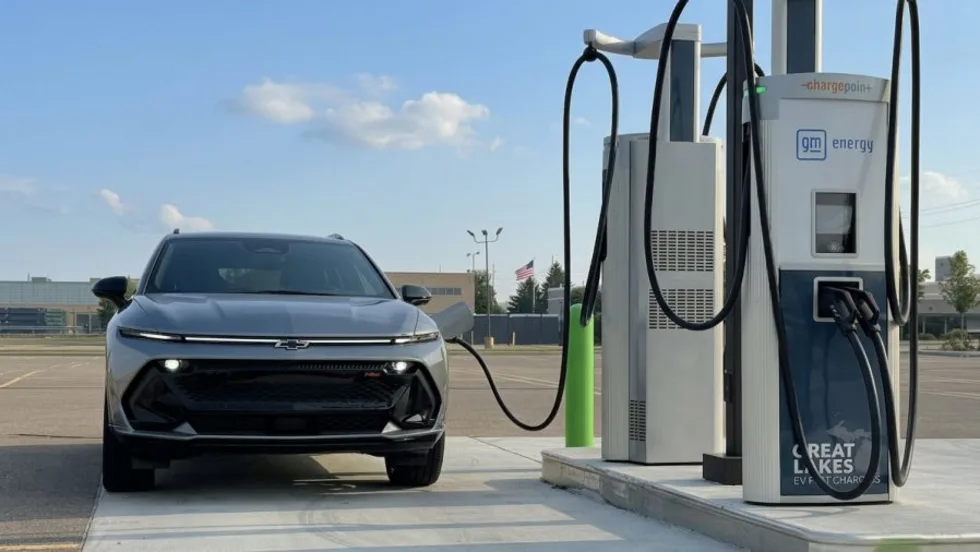
ChargePoint Now Available in Energy Pass
ChargePoint and additional planned charging network integrations were added to GM's Energy Pass.
Read More →

First Look: Slate Auto's Electric Fleet Pickup
Could an affordable, modular EV pickup make electrification more practical for fleets?
Read More →
Slate Debuts Colorful, Unique EV Models
A recent media and client event, studded with electric vehicles dressed up on platforms, planted a new position for the manufacturer in the wider EV market. Fleets will find cost-saving advantages.
Read More →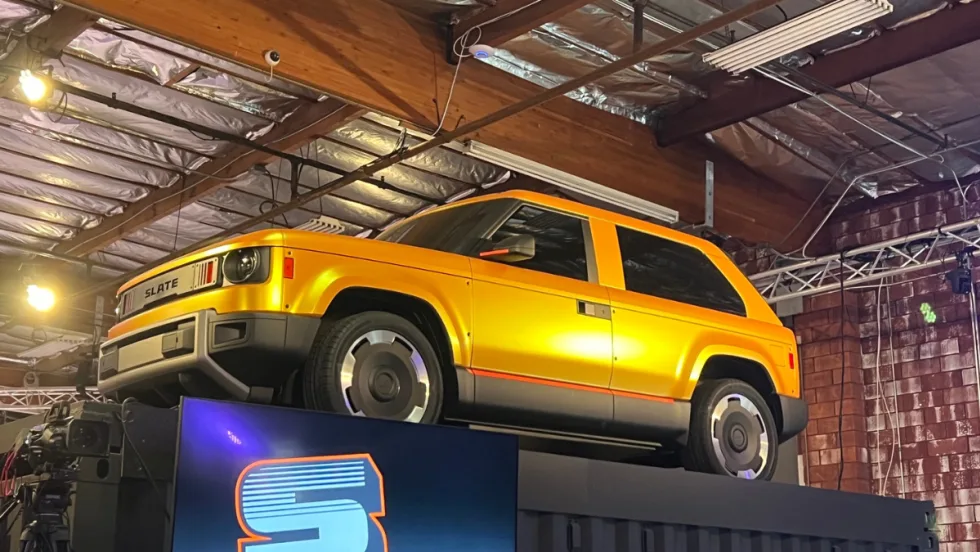
Slate Electric SUV, Pickup Switchable Model Aims For Light-Duty Fleets
Everything about this EV is counterintuitive and understated, making it stand out from the crowd.
Read More →
Inspiration Mobility Acquires Key Electrada Assets
Inspiration Mobility Group has acquired select assets of Electrada, adding the fleet electrification provider's team, technology, and charging infrastructure development capabilities to its energy management business.
Read More →