




Fleet Drivers Not Recharging Chevrolet Volts
A North Carolina car dealer is targeting Chevrolet Volts used in commercial fleets with less wear and tear on their batteries because drivers have been sticking to gasoline instead of plug-in charging, he says.
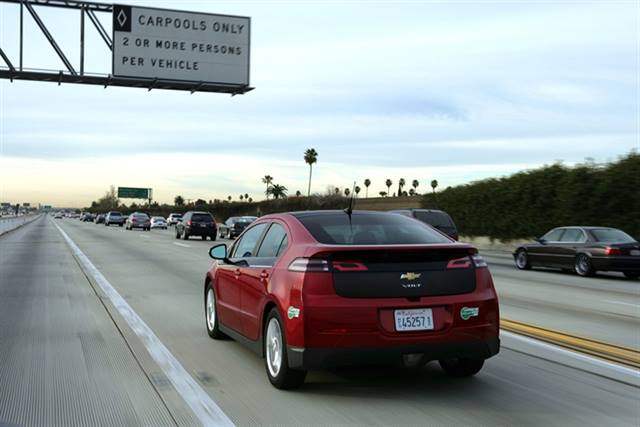
Photo: File
A North Carolina car dealer is targeting Chevrolet Volts used in commercial fleets with less wear and tear on their batteries because drivers have been sticking to gasoline instead of plug-in charging, he says.
Several mid- and high-mileage 2012-MY and 2013-MY Chevrolet Volts showed up on the website of Stanley, N.C., car dealer Mater's Motors, reported Inside EVs. The diagnostics system of the vehicles showed that they had comparably poor ratings of 34 to 39 mpg for a hybrid.
Mater's Motors owner Jason Edwards told the website that the Volts were fleet vehicles, although he would not go into further detail. He noted that in many cases drivers are reimbursed for gasoline, but not for electricity if they charged up the cars at home. The vehicles were run almost exclusively using the gasoline-powered on-board generator rather than being recharged each night.
Used vehicles that fit the pattern are likely to have more battery life remaining than those that were driven as General Motors intended, Edwards said.
More Green Fleet

New Propane Autogas Program Offers Fleet Compensation
Qualified commercial fleets can receive $7,500 per eligible propane autogas vehicle and up to $10,000 for new refueling site prep. Learn how the program works and see whether your fleet qualifies.
Read More →
EV Charging Use Is Outpacing Infrastructure Growth
ChargePoint’s 2026 Charging Forward Report points to rising charger use, higher-powered charging, commercial vehicle electrification, and energy-management technology. Here’s what fleets should know.
Read More →
Merchants Fleet Reports 290M EV Miles as Fleets Navigate Changing Electrification Market
From millions in operating savings to hundreds of millions of EV miles, Merchants Fleet’s latest report reveals what’s working and what’s changing in fleet electrification.
Read More →

The EV Breakdown Nobody's Talking About: Why Most Electric Vehicle Roadside Calls Aren't Mechanical Failures
Here's why EV breakdowns are widely misunderstood.
Read More →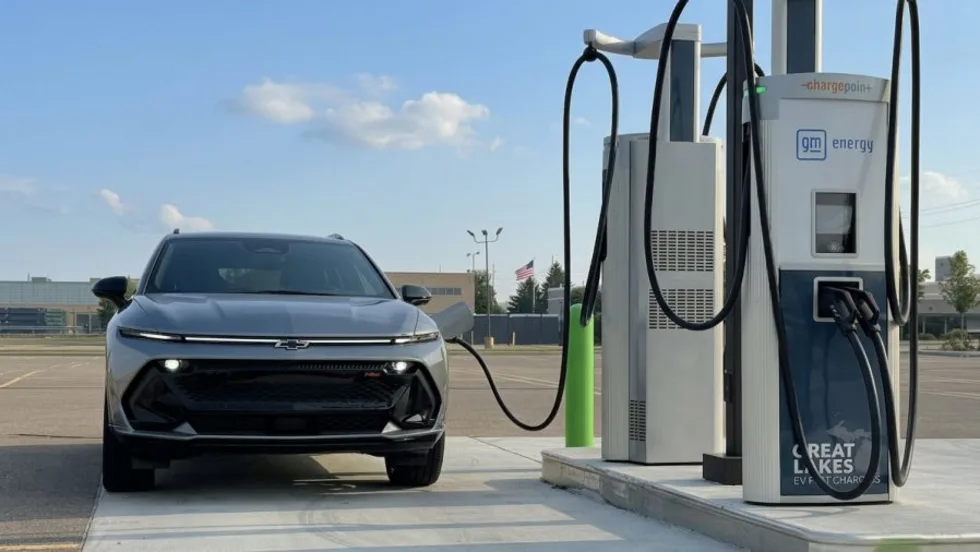
ChargePoint Now Available in Energy Pass
ChargePoint and additional planned charging network integrations were added to GM's Energy Pass.
Read More →

First Look: Slate Auto's Electric Fleet Pickup
Could an affordable, modular EV pickup make electrification more practical for fleets?
Read More →
Slate Debuts Colorful, Unique EV Models
A recent media and client event, studded with electric vehicles dressed up on platforms, planted a new position for the manufacturer in the wider EV market. Fleets will find cost-saving advantages.
Read More →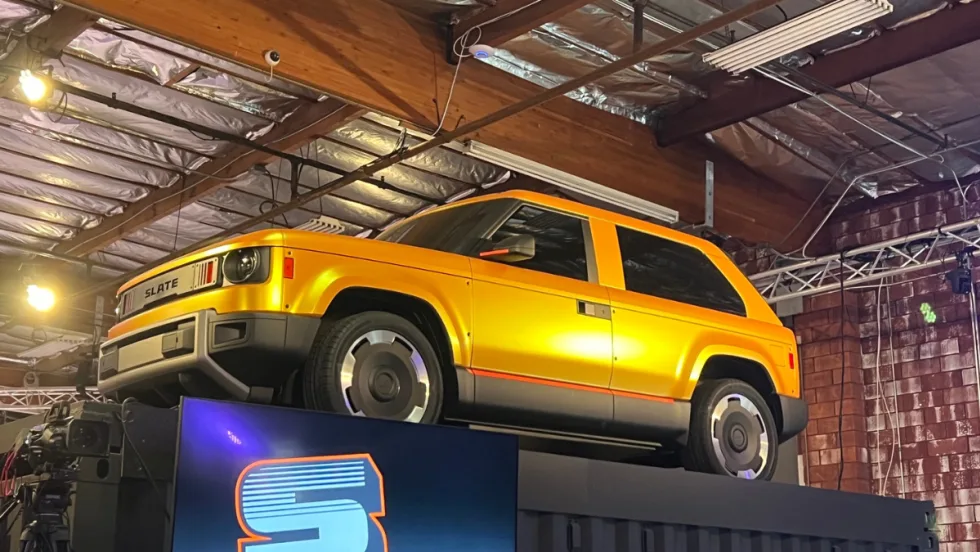
Slate Electric SUV, Pickup Switchable Model Aims For Light-Duty Fleets
Everything about this EV is counterintuitive and understated, making it stand out from the crowd.
Read More →
Inspiration Mobility Acquires Key Electrada Assets
Inspiration Mobility Group has acquired select assets of Electrada, adding the fleet electrification provider's team, technology, and charging infrastructure development capabilities to its energy management business.
Read More →