




FLEET Act Would Green U.S. Postal Fleet
A federal bill introduced in late January would authorize the U.S. Postal Service to use energy savings performance contracts to improve the efficiency of its fleet of delivery vehicles.
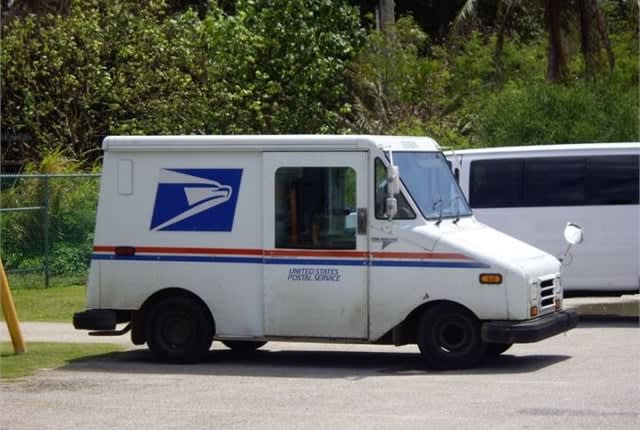
Photo courtesy of Wikimedia.
A federal bill introduced in late January would authorize the U.S. Postal Service to use energy savings performance contracts to improve the efficiency of its fleet of delivery vehicles.
The bill, HR 3963, is known as the Federal Leadership Energy Efficient Transportation (FLEET) Act. Reps. Jared Huffman (D-Calif.) and Gerry Connolly (D-Va.) co-sponsored the proposal.
ESPCs allow companies, governments, and other organizations to finance projects based on the expected energy savings over a 25-year time frame. The contracts are usually used for infrastructure improvements.
Using these contracts could help the USPS, which operates the nation's largest civilian fleet, save about 150 million gallons of fuel a year, according to Huffman.
During fiscal-year 2012, the 212,530 USPS vehicles consumed 148.8 million gallons of fuel and traveled 1.28 billion miles. The USPS spent $1.7 billion on more than 650 million gallons of fuel in 2010, includes fuel for aircraft and contracted vehicles, according to USPS data.
About 80 percent of the USPS' fuel costs stem from contracted transportation services to move mail by truck, airplane, ship, and rail, USPS data shows.
The FLEET Act would require the postal service to reduce its petroleum consumption by 2 percent a year for the next 10 years. The more than 141,000 USPS Grumman LLVs average 10 miles per gallon, according to Huffman.
"The Postal Service is crippled by an inefficient, outdated fleet, and the vast majority of these vehicles are reaching the end of their operational lives," Huffman said. "The FLEET Act will help us invest in a modern, efficient Postal Service fleet. Our nation's largest civilian fleet should serve as a global leader in efficiency and innovation."
Most of the Grumman LLVs are between 18 and 25 years old with an expected life cycle of 24 years. It costs $1.168 per mile to operate USPS vehicles, which includes maintenance costs, according to the 2012 Federal Fleet Report.
The FLEET Act would also set tailpipe emissions standards for new fleet vehicles at 34.1 mpg; require USPS to replace aging vehicles requiring costly maintenance; and require USPS to incorporate new technologies to reduce tailpipe emissions.
Editor's note: View an excerpt of Rep. Huffman's speech from the House floor announcing the act here.
More Green Fleet
EV Charging Use Is Outpacing Infrastructure Growth
ChargePoint’s 2026 Charging Forward Report points to rising charger use, higher-powered charging, commercial vehicle electrification, and energy-management technology. Here’s what fleets should know.
Read More →
Merchants Fleet Reports 290M EV Miles as Fleets Navigate Changing Electrification Market
From millions in operating savings to hundreds of millions of EV miles, Merchants Fleet’s latest report reveals what’s working and what’s changing in fleet electrification.
Read More →
The EV Breakdown Nobody's Talking About: Why Most Electric Vehicle Roadside Calls Aren't Mechanical Failures
Here's why EV breakdowns are widely misunderstood.
Read More →
ChargePoint Now Available in Energy Pass
ChargePoint and additional planned charging network integrations were added to GM's Energy Pass.
Read More →

First Look: Slate Auto's Electric Fleet Pickup
Could an affordable, modular EV pickup make electrification more practical for fleets?
Read More →
Slate Debuts Colorful, Unique EV Models
A recent media and client event, studded with electric vehicles dressed up on platforms, planted a new position for the manufacturer in the wider EV market. Fleets will find cost-saving advantages.
Read More →
Slate Electric SUV, Pickup Switchable Model Aims For Light-Duty Fleets
Everything about this EV is counterintuitive and understated, making it stand out from the crowd.
Read More →
Inspiration Mobility Acquires Key Electrada Assets
Inspiration Mobility Group has acquired select assets of Electrada, adding the fleet electrification provider's team, technology, and charging infrastructure development capabilities to its energy management business.
Read More →
Turning Connected Vehicle Data Into Decisions That Matter
Fleet leaders have more data than ever, but turning that data into clear, actionable decisions remains a challenge. This white paper shows how leading organizations are using connected vehicle data to improve safety, reduce costs, and optimize fleet performance. Learn how to turn insight into action across your fleet.
Read More →