





Related Gallery: Mini's 2019 Cooper S Hardtop
First Battery-Electric Mini Arrives in 2020
BMW's first battery-electric Mini will arrive in early 2020, and the automaker hopes fleets that are now using BMW's i3 or have set sustainability goals will consider it as an option to add to their selector list.
July 10, 2019

The automaker hopes to include fleet incentives for the battery electric vehicle when it launches its calendar year 2020 program in January of next year.
Photo of the MINI Cooper SE courtesy of MINI.
2 min to read
BMW's first battery-electric Mini will arrive in early 2020, and the automaker hopes fleets that are now using BMW's i3 or have set sustainability goals will consider it as an option to add to their selector list.
The automaker also hopes to offer a fleet incentive for the Mini Cooper SE when it launches its 2020 program in January, said Kevin Parker, a BMW regional account manager for corporate sales.
The new Mini Cooper SE electric vehicle will be powered by 181 hp and 199 lb.-ft. of torque, according to a release.
U.S. EPA estimated range figures are not yet available; however. It has a top speed of 93.2 mph. Mini already offers a hybrid alternative with the Mini Countryman Plug-In Hybrid.
The battery-electric Mini will offer an acceleration of zero to 62 mph in 7.3 seconds, according to Mini. The vehicle concept is based on the Mini two-door hardtop.
There will be four driving modes available on the Mini Cooper SE: Sport; MID; Green and Green Plus, the latter most which reduces certain comfort functions such as heating, air conditioning and seat heating are limited or deactivated in order to increase the range of the vehicle.
The new Mini Cooper SE is fitted as standard with a model-specific instrument cluster consisting of a 5.5-inch color screen in black panel design behind the steering wheel, the automaker said. Other digital displays in the instrument cluster provide information on the charge level of the high-voltage battery, the currently selected Mini Driving Mode, the status of the driver assistance systems and Check Control messages.
More Green Fleet
Sponsored•October 1, 2026
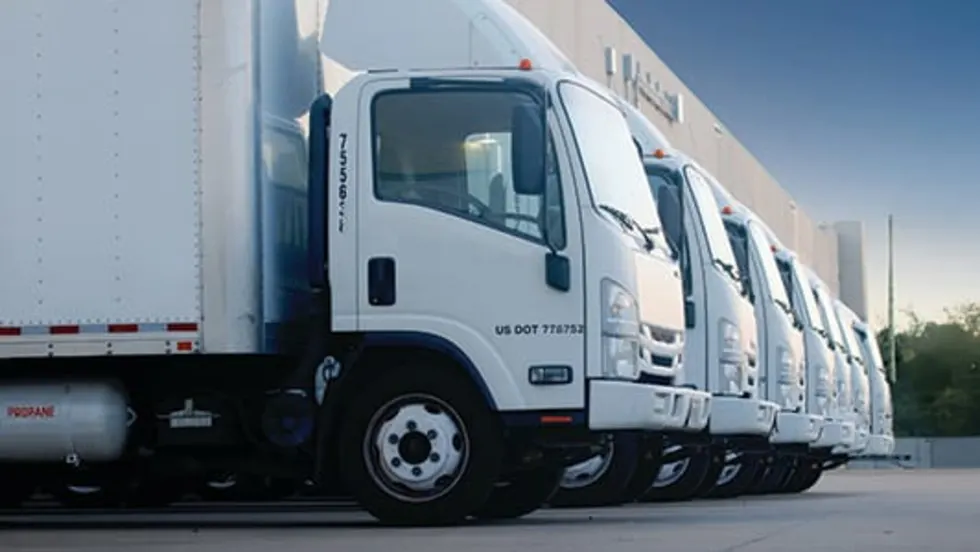
New Propane Autogas Program Offers Fleet Compensation
Qualified commercial fleets can receive $7,500 per eligible propane autogas vehicle and up to $10,000 for new refueling site prep. Learn how the program works and see whether your fleet qualifies.
Read More →
EV Charging Use Is Outpacing Infrastructure Growth
ChargePoint’s 2026 Charging Forward Report points to rising charger use, higher-powered charging, commercial vehicle electrification, and energy-management technology. Here’s what fleets should know.
Read More →
Merchants Fleet Reports 290M EV Miles as Fleets Navigate Changing Electrification Market
From millions in operating savings to hundreds of millions of EV miles, Merchants Fleet’s latest report reveals what’s working and what’s changing in fleet electrification.
Read More →
The EV Breakdown Nobody's Talking About: Why Most Electric Vehicle Roadside Calls Aren't Mechanical Failures
Here's why EV breakdowns are widely misunderstood.
Read More →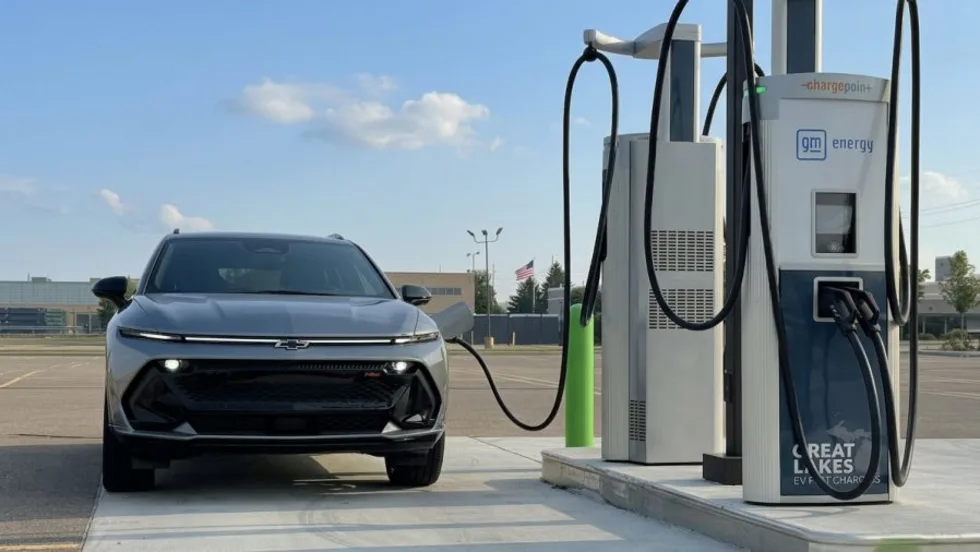
ChargePoint Now Available in Energy Pass
ChargePoint and additional planned charging network integrations were added to GM's Energy Pass.
Read More →

First Look: Slate Auto's Electric Fleet Pickup
Could an affordable, modular EV pickup make electrification more practical for fleets?
Read More →
Slate Debuts Colorful, Unique EV Models
A recent media and client event, studded with electric vehicles dressed up on platforms, planted a new position for the manufacturer in the wider EV market. Fleets will find cost-saving advantages.
Read More →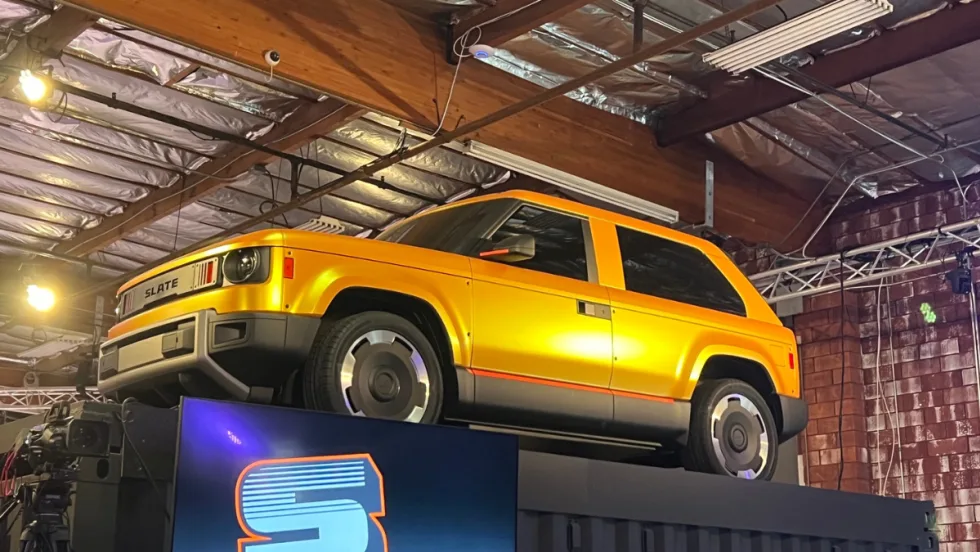
Slate Electric SUV, Pickup Switchable Model Aims For Light-Duty Fleets
Everything about this EV is counterintuitive and understated, making it stand out from the crowd.
Read More →
Inspiration Mobility Acquires Key Electrada Assets
Inspiration Mobility Group has acquired select assets of Electrada, adding the fleet electrification provider's team, technology, and charging infrastructure development capabilities to its energy management business.
Read More →