




Feds Press Chrysler to Speed Jeep Recall
NHTSA, citing consumer complaints and low repair completion rates, demands that the automaker improve its efforts to fix older-model Jeeps recalled for a fuel-tank fire risk.
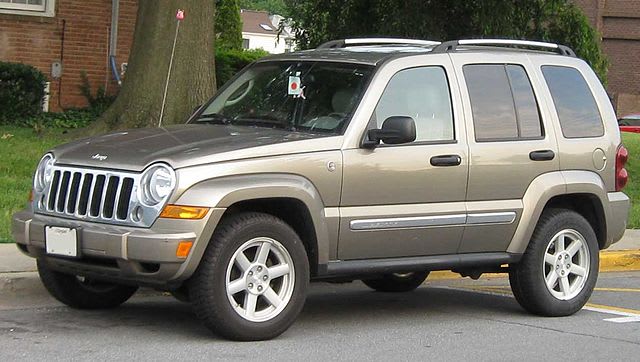
Photo by IFCAR via Wikimedia Commons.
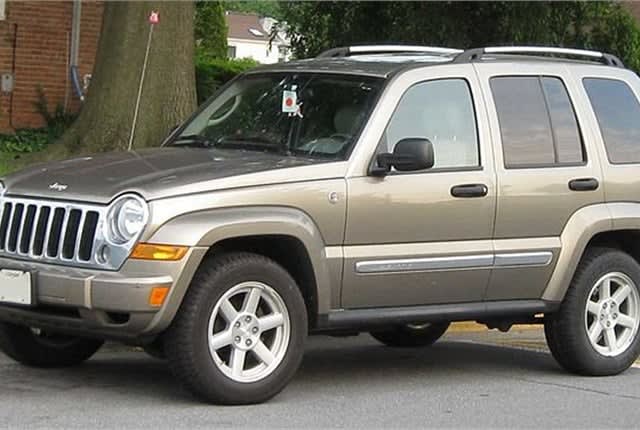
Photo by IFCAR via Wikimedia Commons.
The National Highway Traffic Safety Administration this week sent a letter to Chrysler Group, urging the automaker to “more aggressively seek out vehicle owners” of recalled 2002-2007 Jeep Liberty and 1993-1998 Jeep Grand Cherokee SUVs whose fuel tanks are at risk for rupturing in rear crashes.
To address the resultant fire risk, Chrysler’s recall remedy involves reinforcing the rear structure of the vehicles through installation of a trailer hitch assembly. Back in July, federal regulators also criticized the pace of recall repairs.
The new Nov. 19-dated letter, written by NHTSA Deputy Administrator David J. Friedman and addressed to Chrysler CEO Sergio Marchionne, cites a Chrysler recall update reporting a 3-percent repair completion rate for 1.56 million vehicles. Friedman characterizes this repair rate as “woeful” and also questions whether Chrysler dealers are hindering the recall effort.
“According to complaints received by NHTSA, owners are being turned away by Chrysler dealerships because of a lack of parts and, in some cases, are reportedly being told that their vehicles are safe to drive without the remedy,” Friedman says in the letter. “If these reports are at all accurate, the dealerships’ conduct is unacceptable.”
Friedman’s letter sets a Dec. 15 deadline for Chrysler to confirm that “its dealerships are giving owners accurate information and implementing the repairs in a timely and effective manner.” Additionally, Chrysler must provide NHTSA with a plan, also due Dec. 15, detailing how the automaker will contact and provide incentive for vehicle owners to get the recall repairs completed.
According to the Wall Street Journal, concerns about the pace of the SUV recall have resurfaced in part because of a collision earlier this month involving Kayla White, a pregnant 23-year-old who died when her 2003 Jeep Liberty was struck from behind and caught fire in Michigan.
On Nov. 20, a Chrysler representative told the Wall Street Journal that about 137,000 recalled Jeeps have already been inspected or repaired as part of the ongoing safety recall. About 488,000 repair parts are now in the hands of dealers. That means the repair rate has risen to nearly 9 percent since the last recall update submitted to NHTSA.
The fuel tank issue has been linked to 51 fires resulting in fatalities, according to NHTSA. This particular recall has been fraught with conflict, with Chrysler initially refusing to comply with the agency’s recall request in 2013.
More Safety

Nexar-Nauto Merger Aims to Give Fleets Better Safety Intelligence Through Larger Driving Dataset
Stefan Heck tells Automotive Fleet that combining more than 10 billion miles of driving history with Nexar's AI models will give fleets deeper insights into driver risk and roadway conditions than either company could provide independently.
Read More →
Don't Wait for a Crisis: 5 Ways to Build Mental Health Into Your Fleet Safety Program
For Suicide Prevention Month, fleet and safety leaders have an opportunity to put mental health where it belongs: at the center of workplace safety.
Read More →
How Camera Data Can Strengthen a Fleet’s Insurance Renewal
Insights from a commercial insurance carrier and a broker show how fleets can turn video telematic data, driver coaching, and improved claims results into a stronger case at insurance renewal.
Read More →
The Safest Fleets Aren’t the Ones with the Most Technology
You’ve made the telematics investment. Here’s how to capture the other half of its value and build the safest fleet on the road.
Read More →
Hidden in Plain Sight: Fleet Compliance Risks
Fleet compliance isn't just about having policies — it's about consistently enforcing them. This practical guide reveals six hidden compliance risks common in public sector and shared fleet operations and outlines proven strategies to improve visibility, accountability, and audit readiness
Read More →
NETS Sets 2026 Fleet Safety Benchmark Conference for Indianapolis
The Sept. 15–17 program will feature fleet benchmarking data, case studies, emerging technologies, and implementation strategies while running alongside the NSC Safety Congress & Expo.
Read More →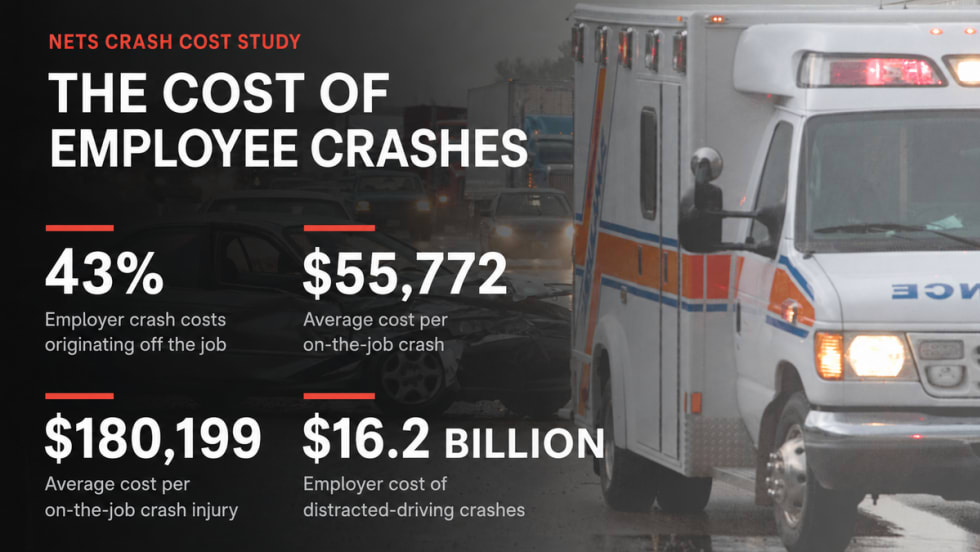
Off-the-Job Crashes Account for 43% of Employers’ $61.7 Billion Crash Burden
NETS quantifies costs dispersed across fleet, risk, HR, and other departments while providing new per-crash benchmarks for employers.
Read More →
Ram Recalls More Than 1.27 Million 1500 Pickups for Seat Belt Anchor Issue
The recall affects certain 2019-2026 Ram 1500 pickups that may have improperly attached second-row seat belt buckle anchors.
Read More →
How Better Visibility Cut Speeding Violations by 48%
Fleet leaders don't need more data, they need clearer visibility into what the data is saying. This case study explores how one utility replaced speeding-event counts with a single metric — miles driven in violation — to strengthen safety and significantly reduce speeding violations.
Read More →
Operation Safe Driver Week: Why the Industry's Oldest Safety Campaign Still Matters to Fleets
A look at how a 2007 enforcement initiative became one of the most consequential weeks on the fleet safety calendar, and what it means for your drivers in 2026.
Read More →