




Feds Fine Wheelchair Lift Maker
California-based manufacturer Ricon Corp. admits to continuing to sell defective wheel chair lifts after learning they posed a fire risk and warranted a safety recall.
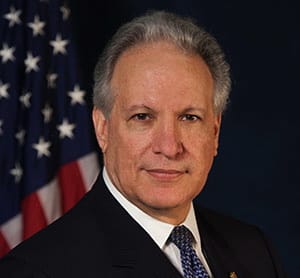
NHTSA Administrator Mark Rosekind. Photo courtesy of U.S. DOT.

NHTSA Administrator Mark Rosekind. Photo courtesy of U.S. DOT.
The National Highway Traffic Safety Administration has fined a wheelchair lift maker $1.75 million for continuing to sell its defective lifts to van and bus manufacturers, even after issuing a safety recall to address a fire risk.
As part of a settlement with NHTSA, California-based Ricon Corp. has admitted to violating the Traffic and Motor Vehicle Safety Act and other federal vehicle safety regulations. The company has also agreed to pay the civil penalty and to be subject to additional federal oversight.
After learning of the continued sales, company management failed to promptly notify federal regulators of the problem, NHTSA said.
“This company’s failure to protect the public from a product known to be a safety risk is absolutely unacceptable,” said Transportation Secretary Anthony Foxx. “Manufacturers must meet their safety obligations, and when they don’t, we will be there with strong enforcement action.”
Beginning in September of 2012, Ricon recalled more than 4,000 wheelchair lifts that it sold to manufacturers of vans and buses. The recall remedied a defective cable that could spark a fire.
In June of 2013, NHTSA began contacting bus and van manufacturers who used Ricon wheelchair lifts to make sure they were aware of the recall. As part of that effort, NHTSA asked Ricon when it had ceased producing the defective lifts. Ricon, however, failed to respond to repeated requests for the information.
Six months later, in January 2014, Ricon informed NHTSA that it had mistakenly continued to produce and sell wheelchair lifts with the safety defect. The company reported that it had sold 356 defective lifts after it issued the recall. As a result of NHTSA’s investigation, Ricon issued a new recall to address those lifts in March.
As part of the consent order, Ricon has agreed that during the next year it will acknowledge any communication from NHTSA within three business days. Ricon also must develop internal procedures to prevent future manufacture and sale of products already under recall for safety defects. Additionally, during the next year, the company must update NHTSA every 90 days about the company's implementation of those procedures.
More Safety

Nexar-Nauto Merger Aims to Give Fleets Better Safety Intelligence Through Larger Driving Dataset
Stefan Heck tells Automotive Fleet that combining more than 10 billion miles of driving history with Nexar's AI models will give fleets deeper insights into driver risk and roadway conditions than either company could provide independently.
Read More →
Don't Wait for a Crisis: 5 Ways to Build Mental Health Into Your Fleet Safety Program
For Suicide Prevention Month, fleet and safety leaders have an opportunity to put mental health where it belongs: at the center of workplace safety.
Read More →
How Camera Data Can Strengthen a Fleet’s Insurance Renewal
Insights from a commercial insurance carrier and a broker show how fleets can turn video telematic data, driver coaching, and improved claims results into a stronger case at insurance renewal.
Read More →
The Safest Fleets Aren’t the Ones with the Most Technology
You’ve made the telematics investment. Here’s how to capture the other half of its value and build the safest fleet on the road.
Read More →
Hidden in Plain Sight: Fleet Compliance Risks
Fleet compliance isn't just about having policies — it's about consistently enforcing them. This practical guide reveals six hidden compliance risks common in public sector and shared fleet operations and outlines proven strategies to improve visibility, accountability, and audit readiness
Read More →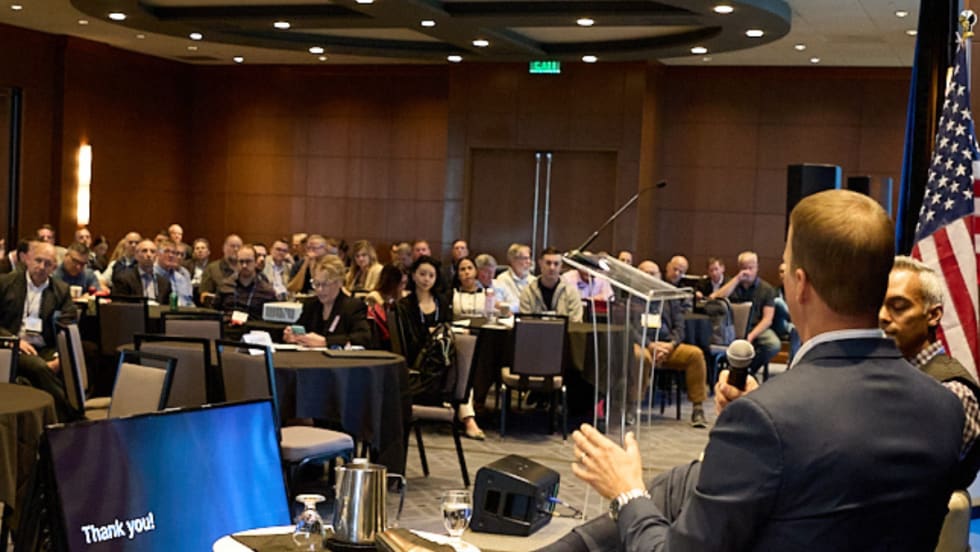
NETS Sets 2026 Fleet Safety Benchmark Conference for Indianapolis
The Sept. 15–17 program will feature fleet benchmarking data, case studies, emerging technologies, and implementation strategies while running alongside the NSC Safety Congress & Expo.
Read More →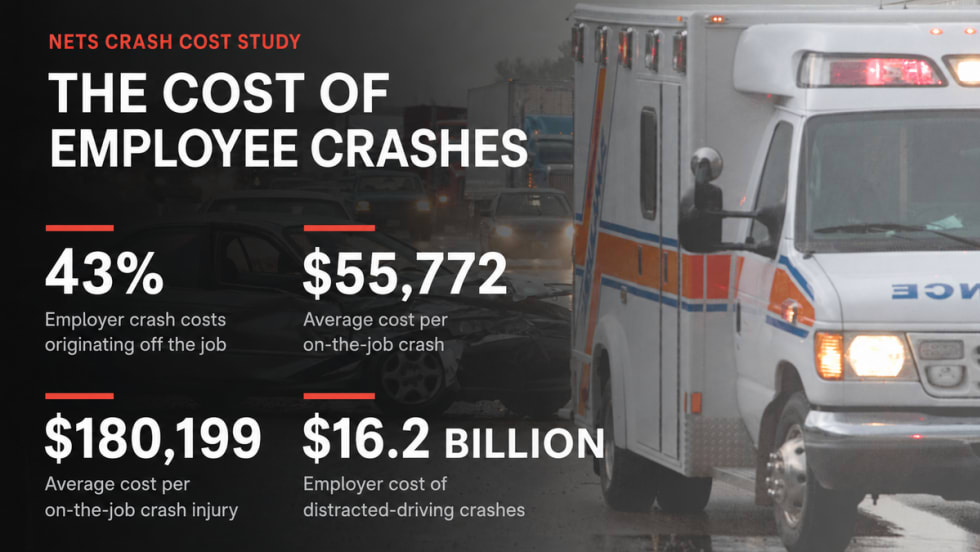
Off-the-Job Crashes Account for 43% of Employers’ $61.7 Billion Crash Burden
NETS quantifies costs dispersed across fleet, risk, HR, and other departments while providing new per-crash benchmarks for employers.
Read More →
Ram Recalls More Than 1.27 Million 1500 Pickups for Seat Belt Anchor Issue
The recall affects certain 2019-2026 Ram 1500 pickups that may have improperly attached second-row seat belt buckle anchors.
Read More →
How Better Visibility Cut Speeding Violations by 48%
Fleet leaders don't need more data, they need clearer visibility into what the data is saying. This case study explores how one utility replaced speeding-event counts with a single metric — miles driven in violation — to strengthen safety and significantly reduce speeding violations.
Read More →
Operation Safe Driver Week: Why the Industry's Oldest Safety Campaign Still Matters to Fleets
A look at how a 2007 enforcement initiative became one of the most consequential weeks on the fleet safety calendar, and what it means for your drivers in 2026.
Read More →