




FedEx to Increase Vehicle Fuel Efficiency 20 Percent by 2020
MEMPHIS, TN – By 2020, FedEx Corp. plans to reduce carbon dioxide emissions from its FedEx Express aircraft fleet and improve the fuel efficiency of its FedEx Express vehicle fleet by 20 percent.
MEMPHIS, TN – By 2020, FedEx Corp. plans to reduce carbon dioxide emissions from its FedEx Express aircraft fleet by 20 percent and improve the fuel efficiency of its FedEx Express vehicle fleet by 20 percent. The new goals were outlined in the FedEx 2008 Global Citizenship Report just released. Since 2005, FedEx has reduced aircraft carbon dioxide emissions by 3.7 percent per available ton mile and improved FedEx Express vehicle fuel efficiency by 13.7 percent, reducing vehicle carbon emissions by almost one billion pounds, according to Business Wire.
"FedEx recognizes that one of the most responsible steps we and the industrial sector can take for our businesses, society and the environment is to reduce our dependence on fossil fuels," said Frederick Smith, FedEx Corp. chairman, president, and chief executive officer. "Our role is to connect the world in responsible and resourceful ways. The world faces big challenges, and we believe that collective, sustained efforts can create greater possibilities for people, businesses, and nations worldwide."
FedEx continues to make significant progress toward achieving its fuel efficiency goals by investing in more fuel-efficient aircraft, vehicles, and facilities including:
FedEx E700 hybrid electric trucks, the most common hybrid in the FedEx fleet, improve fuel economy by 42 percent, reduce greenhouse gas emissions by approximately 25 percent, and cut particulate pollution by 96 percent compared with conventional vehicles.
FedEx Express has worked to optimize its delivery routes to ensure that the most efficiently-sized vehicle is used on each route. As a result of these efforts, more than one-fourth of the FedEx Express fleet has been converted to smaller, more fuel-efficient vehicles, saving more than 45 million gallons of fuel in the past three years.
More Green Fleet

EV Charging Use Is Outpacing Infrastructure Growth
ChargePoint’s 2026 Charging Forward Report points to rising charger use, higher-powered charging, commercial vehicle electrification, and energy-management technology. Here’s what fleets should know.
Read More →
Merchants Fleet Reports 290M EV Miles as Fleets Navigate Changing Electrification Market
From millions in operating savings to hundreds of millions of EV miles, Merchants Fleet’s latest report reveals what’s working and what’s changing in fleet electrification.
Read More →
The EV Breakdown Nobody's Talking About: Why Most Electric Vehicle Roadside Calls Aren't Mechanical Failures
Here's why EV breakdowns are widely misunderstood.
Read More →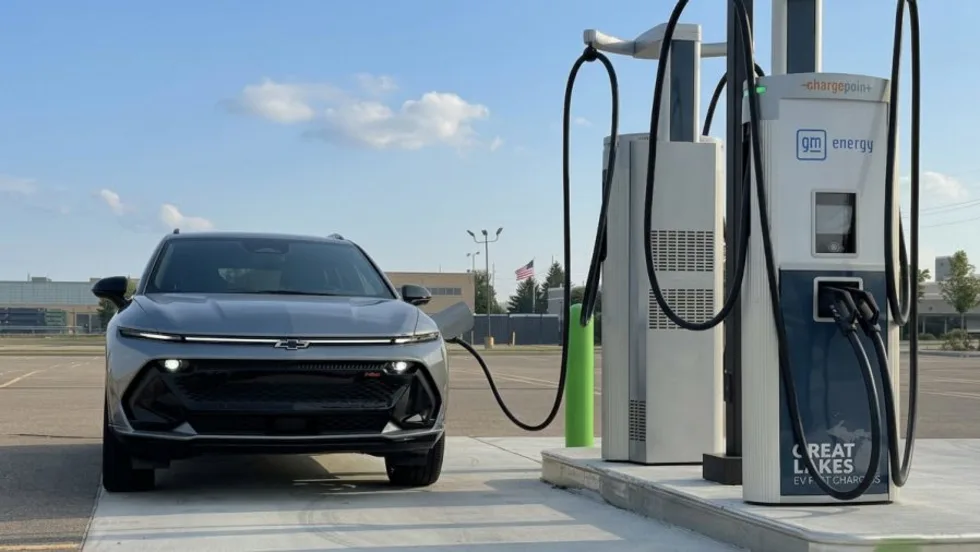
ChargePoint Now Available in Energy Pass
ChargePoint and additional planned charging network integrations were added to GM's Energy Pass.
Read More →

First Look: Slate Auto's Electric Fleet Pickup
Could an affordable, modular EV pickup make electrification more practical for fleets?
Read More →
Slate Debuts Colorful, Unique EV Models
A recent media and client event, studded with electric vehicles dressed up on platforms, planted a new position for the manufacturer in the wider EV market. Fleets will find cost-saving advantages.
Read More →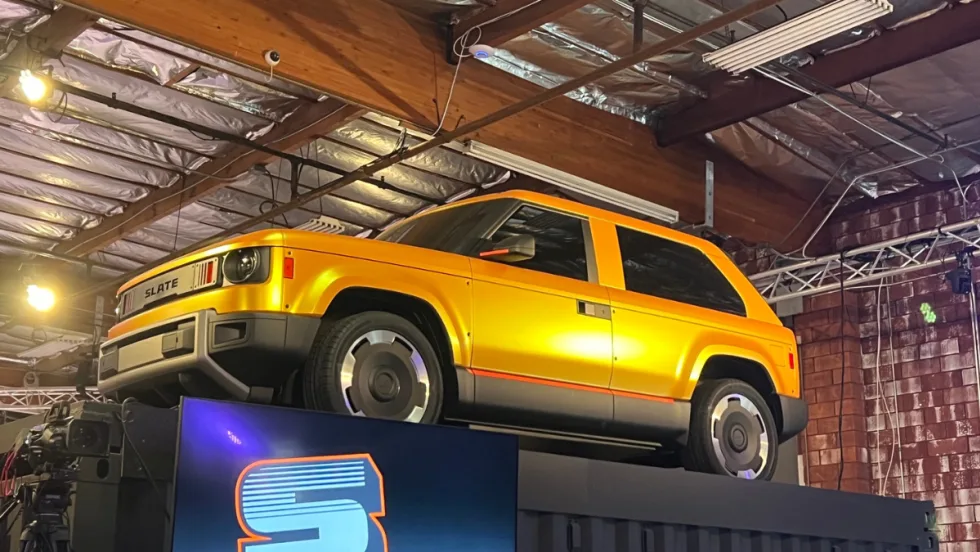
Slate Electric SUV, Pickup Switchable Model Aims For Light-Duty Fleets
Everything about this EV is counterintuitive and understated, making it stand out from the crowd.
Read More →
Inspiration Mobility Acquires Key Electrada Assets
Inspiration Mobility Group has acquired select assets of Electrada, adding the fleet electrification provider's team, technology, and charging infrastructure development capabilities to its energy management business.
Read More →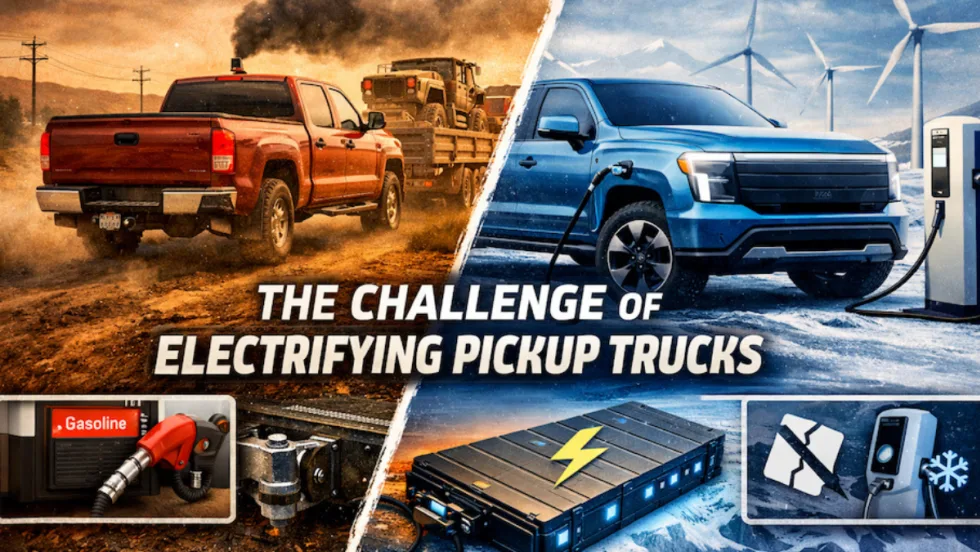
Why America’s Most Popular Vehicle is So Hard to Electrify
Turning America’s favorite workhorse electric means balancing range, payload, charging infrastructure, and price, an equation automakers are still trying to solve.
Read More →