




FedEx Improves Fleet Fuel Efficiency by 22% in Less Than 5 Years
FedEx has met its fuel use reduction goal ahead of its 2020 deadline, so the company has set itself a new goal for that year.
In 2008, FedEx Corp. set a commitment to improve the overall fuel efficiency of the FedEx Express global vehicle fleet 20 percent by 2020, as compared with its 2005 performance. Less than five years later, FedEx Express has surpassed this goal with a more than 22-percent cumulative improvement in fuel economy for its vehicles.
Additionally, FedEx is announcing a revised, more aggressive goal that continues to move the world’s largest express transportation company forward in an environmentally conscious manner. FedEx Express, a unit of FedEx Corp., has set a new target of 30-percent improvement in fuel efficiency for its global vehicle fleet by 2020, representing a 50-percent increase over the original goal. This revision mirrors the company’s 2012 announcement to increase its aircraft emissions goal from 20 percent to a 30-percent reduction in global aircraft emissions intensity by 2020.
“Today’s announcements are major milestones, not only for FedEx Express and our sustainability efforts, but for the entire transportation industry,” said Mitch Jackson, staff vice president of Environmental Affairs and Sustainability, FedEx Corp. “We are encouraged by the technological improvements, in addition to the commitment demonstrated by FedEx team members around the world, that have allowed us to reduce our impact on the environment and the communities we serve while maintaining excellent customer service.”
By pursuing the most promising avenues of advanced technologies, enlisting a variety of experienced manufacturers and optimizing vehicle operations, FedEx Express has been able to improve the fuel efficiency of its vehicle fleet at a faster rate than expected. FedEx Express has seen the biggest impact on overall fuel efficiency from its strategy of matching the right vehicle to each route. This initiative has not only accelerated progress towards the fuel efficiency goal, but it has yielded substantial economic and environmental returns as well. FedEx Express expects to save approximately 20 million gallons of fuel this year through these efforts to increase vehicle fuel efficiency.
“FedEx Express follows a three-tiered strategy to improve the fuel efficiency of its fleet: Reduce, Replace and Revolutionize,” said Dennis Beal, vice president of Global Vehicles, FedEx Express. “This holistic approach to fleet management allows us to develop vehicle technologies for the future while maximizing the conventional vehicles we operate today.”
The company’s significant progress towards its fuel-efficiency goal is the result of a number of initiatives:
By the end of its fiscal year 2013, FedEx Express will have increased the size of its advanced alternative-energy vehicle fleet to include a total of 360 hybrid-electric vehicles and 200 electric vehicles. To date, these vehicles have traveled more than 15 million miles in revenue service.
FedEx Express has accelerated its efforts in fuel conservation through the purchase of vehicles with right-sized engines, such as the Sprinter vans manufactured by Mercedes-Benz. FedEx currently has more than 10,000 such vehicles in service, comprising more than 35 percent of its U.S. pick-up and delivery fleet. Each Sprinter-type van is about 70 to 100 percent more fuel efficient than the original truck it replaces, according to the company.
Since 2011, FedEx Express has incorporated almost 200 composite-body Reach vehicles into its global fleet; an additional 200 of these vehicles will be added to the fleet by the end of its fiscal year 2013. The lower weight design, along with the engine, allows for a 35 percent reduction in fuel usage over most conventional walk-in vans.
Approximately 35 percent of the FedEx Express diesel vehicle pickup and delivery fleet has already been converted to more efficient and cleaner emission models that comply with 2010 U.S. Environmental Protection Agency diesel emission standards.
FedEx Express is not alone in its efforts to increase its overall vehicle fuel efficiency. FedEx Freight and FedEx Ground are currently testing new technologies, while also implementing vehicle innovations and modifications such as skirts and fairings to its trucks, tractors and trailers to improve the fuel efficiency of its fleet.
In November 2012, FedEx Freight launched a beta test of two new tractors powered by cleaner-burning engines that use only liquefied natural gas (LNG). The pre-production engine used in the new tractors is slated for limited release later in 2013 and is currently the only all-natural gas engine that begins to meet the size and power needs of Class 8 trucks.
FedEx Ground is currently testing hybrid hydraulic parcel delivery vehicles on local delivery routes across the U.S. These hydraulic hybrid vehicle systems leverage a computer-controlled system that eliminates unnecessary engine operation, which in turn saves fuel and reduces engine wear and tear by up to 50 percent.
FedEx was No. 184 on the Top 300 Commercial Fleets listing in 2012.
More Fuel
Fuel Prices Surge in September | September Fuel Update
September brought major fuel price swings, including diesel crossing $6 a gallon. Here’s how gas and diesel prices changed throughout the month, and where they stood heading into October.
Read More →
Turning Fleet Payment Data into Executive Insights
Ramel Lindsay of U.S. Bank Voyager discusses how fleets can transform payment and transaction data into actionable intelligence to reduce costs, improve oversight, and support executive decision-making.
Read More →
Why the IRS Raised Its Mileage Rate in the Middle of 2026
Fuel-price volatility drove the rare increase to 76 cents per mile, the fifth midyear adjustment since 2000.
Read More →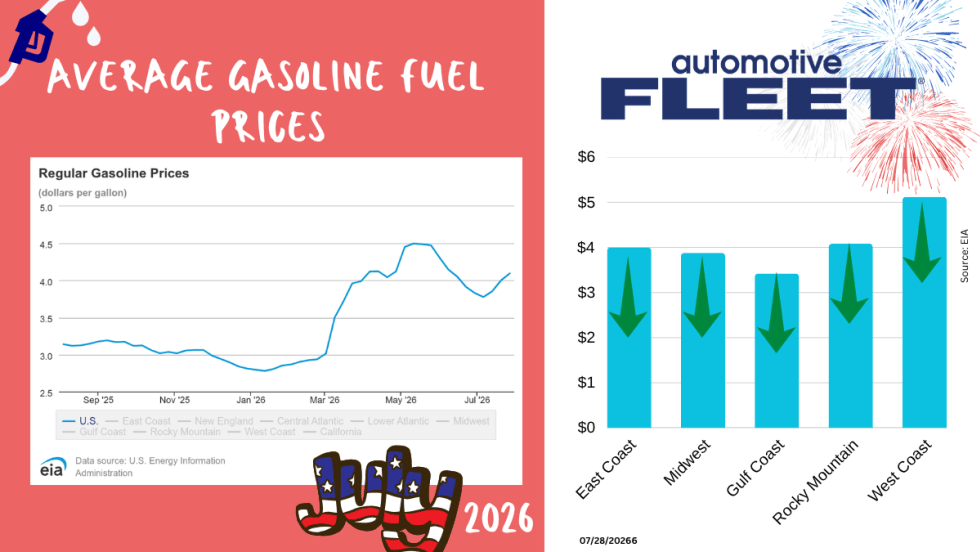
July Fuel Update: Prices Keep Rising in Light of More Conflict
Gas prices continue to rise as more and more conflicts do, too.
Read More →
Bob Adamsky on Fuel Volatility: "Don't Panic, Have a Plan."
When it comes to up and down fuel prices, Adamsky has a message for fleets: “Don’t panic.”
Read More →
How Fleets Can Gain Control of Non-Fuel Spend
Fuel often gets the spotlight, but non-fuel expenses can have a major impact on fleet costs. Ramel Lindsay of U.S. Bank Voyager discusses how fleets can gain better visibility and control over these often-overlooked expenditures.
Read More →
Fuel is Just the Start: How Middle East Tensions are Driving Up Fleet Maintenance Costs
The Middle East conflict is doing more than pushing up fuel prices. It’s also raising the cost of key maintenance products your fleet depends on, from motor oil to tires to windshield wipers. Here’s what you need to know about this budget-busting situation.
Read More →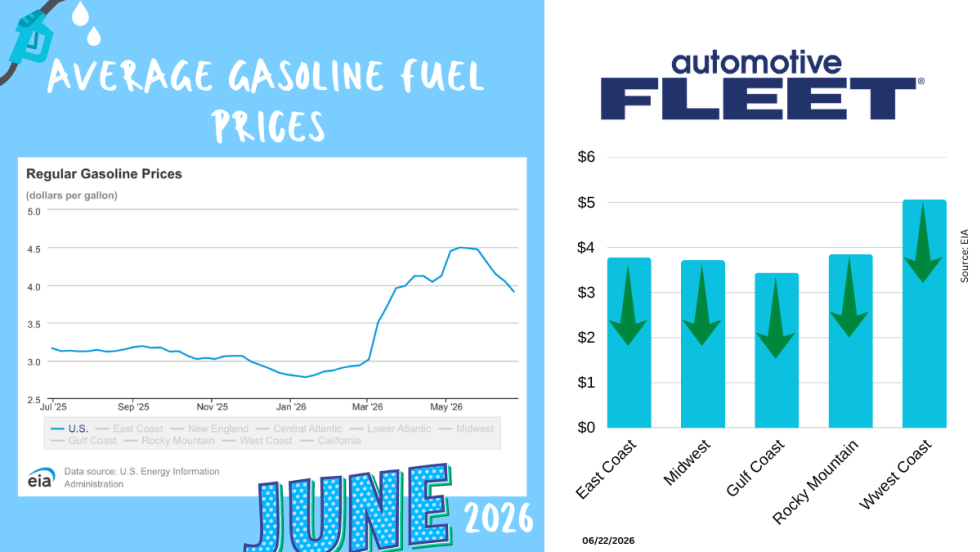
June Fuel Update: Prices Fall Below $4
Drivers are finally getting some relief at the pump. The national average gas price has dropped below $4 a gallon for the first time in months, with prices falling in 47 states as oil markets react to developments in U.S.-Iran negotiations.
Read More →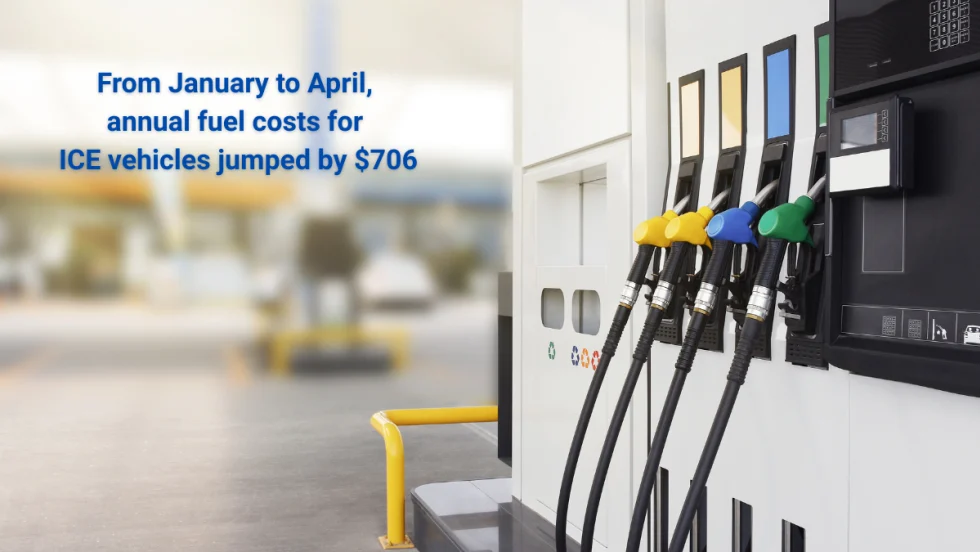
Study: How 2026's Gas Price Hikes Affect Different Vehicle Types
New data from iSeeCars reveals how rising fuel costs have affected different vehicle segments as gasoline prices climbed nearly 46% over the past four months.
Read More →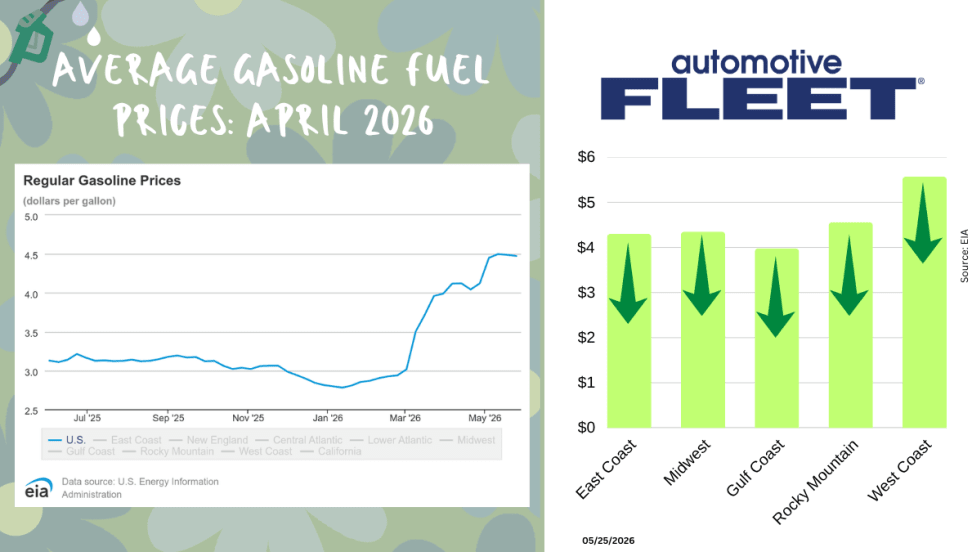
May Fuel Update: All Regions Experience Declines
Gas prices are finally easing in much of the country, but experts warn global tensions could quickly reverse the trend as the national average remains well above last month’s levels.
Read More →