




Related: What's Available in Hybrid and Electric Drive Systems
Federal Grants Fund Green Tech Despite Uncertain Future
While U.S. Department of Energy grants are still funding electric vehicle and alternative fuel technologies, it is uncertain how the Trump administration could affect this funding in the future.
by Staff
March 7, 2017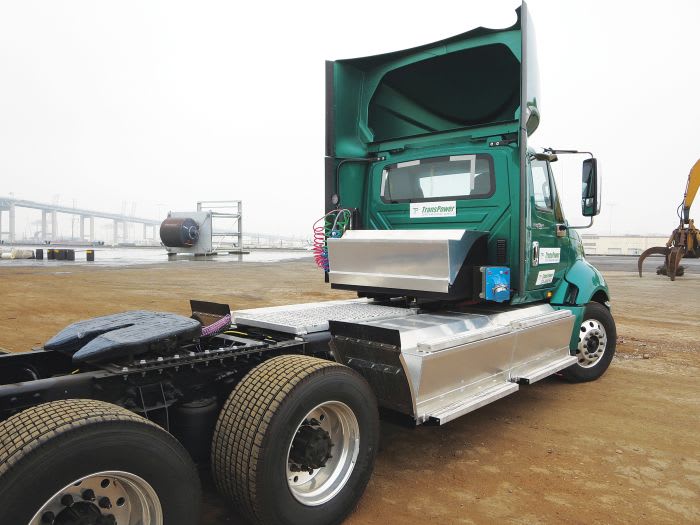
Photo: TransPower
2 min to read
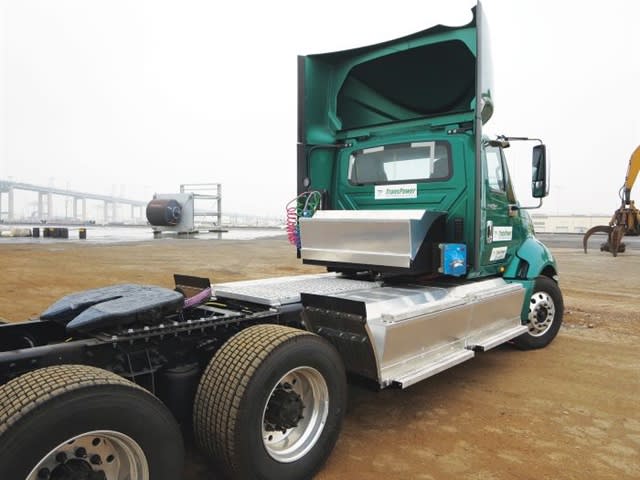
Photo: TransPower
While U.S. Department of Energy grants are still funding electric vehicle and alternative fuel technologies, it is uncertain how the Trump administration could affect this funding in the future, according to ACT Research’s North American On-Highway Commercial Vehicle Engine Outlook.
According to DOE, five firms will split $18 million in grants to advance plug-in electric technology for cars and heavy-duty vehicles. The EPA has also approved a pathway for isobutanol to be used as an advanced biofuel under the Renewable Fuel Standard Program.
Isobutanol uses starch from feed corn to produce alcohol and when used along with fossil fuels, the biofuel could achieve a 50% or greater reduction in greenhouse gas emissions. This would qualify it for the advanced D5 Renewable Identification Number.
These projects are aimed at advancing the development of green technologies while also reducing engine emissions.
"The money is meant to improve energy security, reduce emissions, and enhance local and regional economies, according to information released on December 22," said Tom Rhein, president of Rhein Associates. "Funding from the department's Office of Energy Efficiency and Renewable Energy is directed to projects that advance development and deployment of efficient and renewable technologies, as well as market-based innovations to enhance energy security."
However, given the Trump administration’s stance on reducing regulations, particularly in the energy sector, some of the latest advancements pushed forward by the Obama administration’s GHG Phase 2 Rule may be in limbo. Those rules took effect on Dec. 17, 2016 and will determine emissions and fuel efficiency standards through 2027. Fleets and manufacturers will have to adjust in the long term if they are rolled back, according to ACT Research.
“We know the concerns and regulations from our last engine outlook article, but we don't know the White House factor. It is obvious that the new administration opposes regulations that will add costs at the expense of jobs, but what does this mean for GHG2?” ACT stated in its Engine Outlook report.
Many truck and engine manufacturers are global companies and if other nations move forward with stricter emissions standards, a rollback in the U.S. could complicate these strategies. Ultimately, until the Trump administration makes a concrete decision on the matter, fleets and manufacturers must wait and see before making long-term plans.
“If the U.S. cancels or delays GHG2, the name of the game in the U.S. market continues to be price and cost. Much will be decided in the next couple of months. We will be surprised to see GHG2 stand as is, expecting a revised regulation with a delayed enactment schedule,” ACT Research stated in the report.
The full ACT Research report is available online.
More Green Fleet
Sponsored•October 1, 2026
New Propane Autogas Program Offers Fleet Compensation
Qualified commercial fleets can receive $7,500 per eligible propane autogas vehicle and up to $10,000 for new refueling site prep. Learn how the program works and see whether your fleet qualifies.
Read More →
EV Charging Use Is Outpacing Infrastructure Growth
ChargePoint’s 2026 Charging Forward Report points to rising charger use, higher-powered charging, commercial vehicle electrification, and energy-management technology. Here’s what fleets should know.
Read More →
Merchants Fleet Reports 290M EV Miles as Fleets Navigate Changing Electrification Market
From millions in operating savings to hundreds of millions of EV miles, Merchants Fleet’s latest report reveals what’s working and what’s changing in fleet electrification.
Read More →
The EV Breakdown Nobody's Talking About: Why Most Electric Vehicle Roadside Calls Aren't Mechanical Failures
Here's why EV breakdowns are widely misunderstood.
Read More →
ChargePoint Now Available in Energy Pass
ChargePoint and additional planned charging network integrations were added to GM's Energy Pass.
Read More →

First Look: Slate Auto's Electric Fleet Pickup
Could an affordable, modular EV pickup make electrification more practical for fleets?
Read More →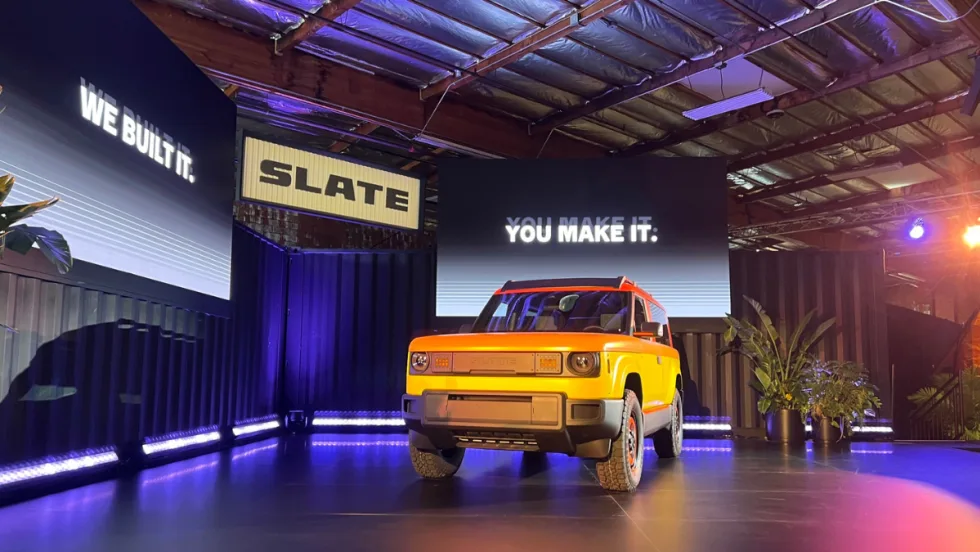
Slate Debuts Colorful, Unique EV Models
A recent media and client event, studded with electric vehicles dressed up on platforms, planted a new position for the manufacturer in the wider EV market. Fleets will find cost-saving advantages.
Read More →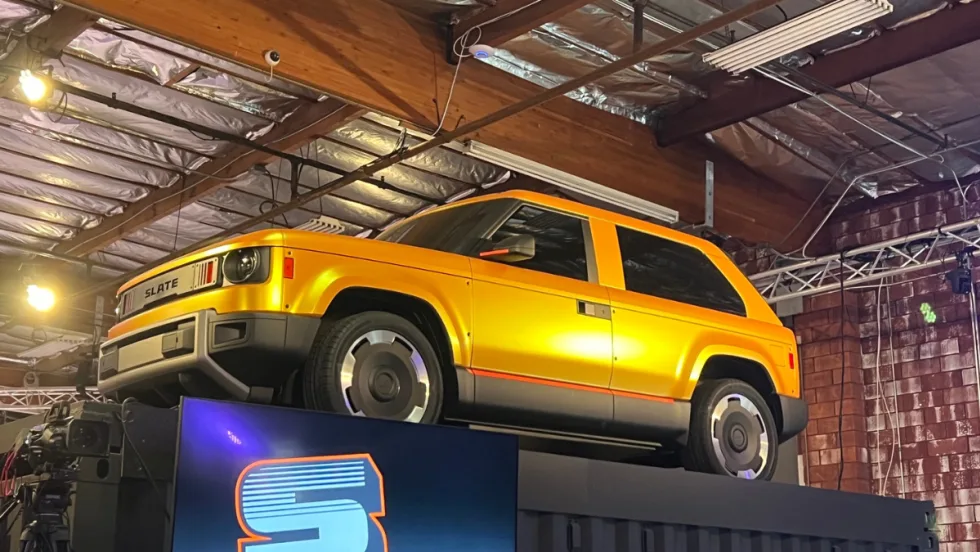
Slate Electric SUV, Pickup Switchable Model Aims For Light-Duty Fleets
Everything about this EV is counterintuitive and understated, making it stand out from the crowd.
Read More →
Inspiration Mobility Acquires Key Electrada Assets
Inspiration Mobility Group has acquired select assets of Electrada, adding the fleet electrification provider's team, technology, and charging infrastructure development capabilities to its energy management business.
Read More →