




FairPoint Communications Cuts Fleet Idling Time by 42 Percent Over Four Months
SOUTH BURLINGTON, VT – Telecommunications company FairPoint Communications successfully reduced its fleet fuel use and emissions by implementing an anti-idling program in partnership with the American Lung Association.
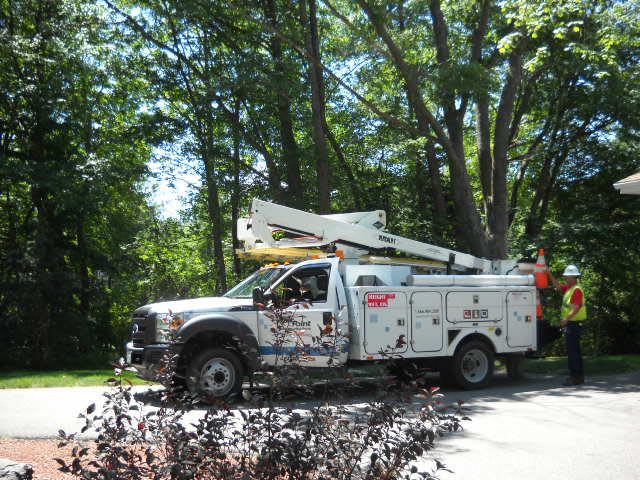
One of FairPoint Communications' fleet vehicles.
One of FairPoint Communications' fleet vehicles.
SOUTH BURLINGTON, VT – FairPoint Communications, a provider of broadband Internet, phone, television, and other high-capacity data services, successfully reduced its fleet fuel use and emissions by implementing an anti-idling program. The company partnered with the American Lung Association to hold presentations at its company garages, successfully reducing idle time for 1,232 vehicles in its fleet in Maine, New Hampshire, and Vermont by 42% during the first four months of 2012.
Automotive Fleet spoke with Sabina Haskell, a spokesperson for the company, about their program, fleet, and the results that FairPoint achieved. Haskell said FairPoint operates a diverse fleet, from light-duty to medium, heavy-duty, and off-road vehicles. Light-duty vehicles include sedans, pickup trucks, SUVs, and minivans, Medium-duty vehicles include SCS, service vehicles, vans, and van buckets, and on the heavy-duty side, fleet vehicles include logistics vehicles, semis with flatbed trailers, bucket trucks, placers, and diggers. Off-road equipment and vehicles include ATVs, Snow Cats, and forklifts. Haskell explained that the company uses the vehicles for day-to-day operations to service customers and support internal operations.
FairPoint focused on multiple approaches to reducing idling time for its fleet vehicles, beyond the presentations it held with the American Lung Association.
“FairPoint monitors idle time at the vehicle level,” Haskell said. “All vehicles are assigned to an employee. We track fuel and vehicle utilization to attempt to match the right vehicle for the right job. Additionally, we use GPS to obtain more operational efficiencies in order to cut down on customer wait times and utilize the vehicles more cost efficiently. Most field technicians are notified of their idle time on a monthly basis.”
These efforts have paid off, resulting in major savings and significant reduction in fuel use.
“In the first quarter of 2011, we had approximately 1,342 vehicles using an average of 80 gallons of fuel idling for an expense of roughly $412,000,” Haskell said. “In first quarter of 2012, we had about 1,249 vehicles using an average of 51 gallons of fuel idling for a cost of roughly $244,000, based on $3.84 per gallon.”
Although the idle-reduction program has paid off, FairPoint has been rigorously working to right-size its fleet, according to Haskell. She said FairPoint has removed 400 older vehicles from its fleet as part of this process. In order to keep fleet downtime to a minimum, FairPoint uses a preventive maintenance program and has its automotive mechanics work during operational off-hours. The company is also replacing older vehicles with newer, more fuel-efficient models, wherever possible.
“We purchase newer vehicles that use green hydraulic systems (i.e. Terrasolve) and better fuel efficiency, which in turn reduces carbon emissions,” she said. “We have tested hybrid vehicles to review cost savings and reduction of emissions.”
Overall, FairPoint’s ongoing effort is saving money, reducing emissions, and strengthening the company’s relations with the communities it operates its fleet in across the northeast.
"FairPoint has made a concerted effort across northern New England to reduce idling; it's the right thing to do for public health and to be a more energy-efficient company," said Karen Mead, senior vice president of operations and engineering. "This is a significant step toward reducing our carbon footprint in the region."
By Greg Basich
Updated: 8/10/2012, corrected the period over which fuel savings were measured.
More Fuel

Turning Fleet Payment Data into Executive Insights
Ramel Lindsay of U.S. Bank Voyager discusses how fleets can transform payment and transaction data into actionable intelligence to reduce costs, improve oversight, and support executive decision-making.
Read More →
Why the IRS Raised Its Mileage Rate in the Middle of 2026
Fuel-price volatility drove the rare increase to 76 cents per mile, the fifth midyear adjustment since 2000.
Read More →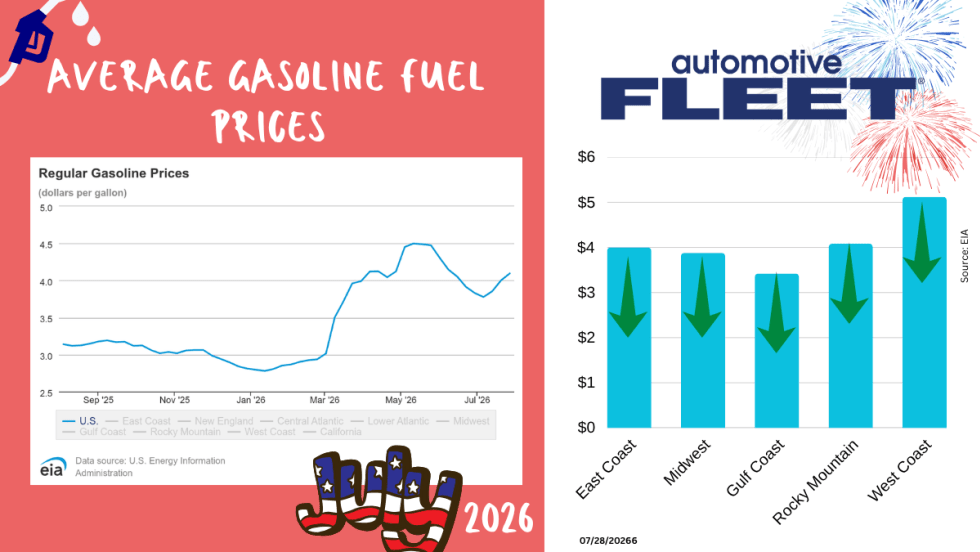
July Fuel Update: Prices Keep Rising in Light of More Conflict
Gas prices continue to rise as more and more conflicts do, too.
Read More →
Bob Adamsky on Fuel Volatility: "Don't Panic, Have a Plan."
When it comes to up and down fuel prices, Adamsky has a message for fleets: “Don’t panic.”
Read More →
How Fleets Can Gain Control of Non-Fuel Spend
Fuel often gets the spotlight, but non-fuel expenses can have a major impact on fleet costs. Ramel Lindsay of U.S. Bank Voyager discusses how fleets can gain better visibility and control over these often-overlooked expenditures.
Read More →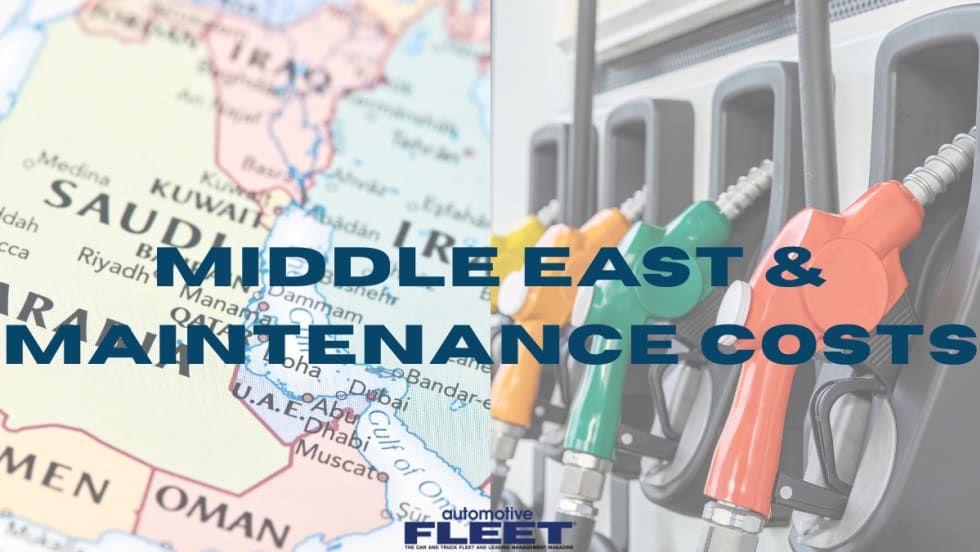
Fuel is Just the Start: How Middle East Tensions are Driving Up Fleet Maintenance Costs
The Middle East conflict is doing more than pushing up fuel prices. It’s also raising the cost of key maintenance products your fleet depends on, from motor oil to tires to windshield wipers. Here’s what you need to know about this budget-busting situation.
Read More →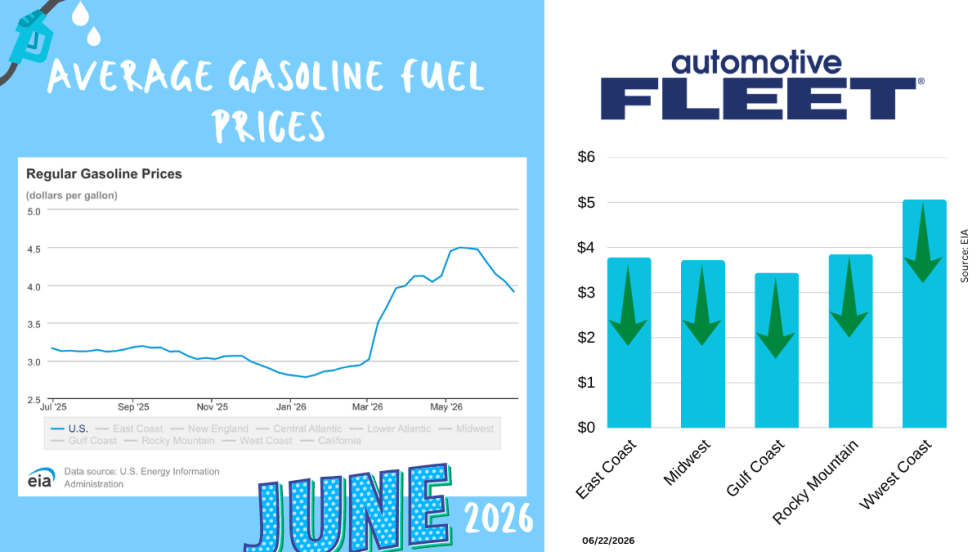
June Fuel Update: Prices Fall Below $4
Drivers are finally getting some relief at the pump. The national average gas price has dropped below $4 a gallon for the first time in months, with prices falling in 47 states as oil markets react to developments in U.S.-Iran negotiations.
Read More →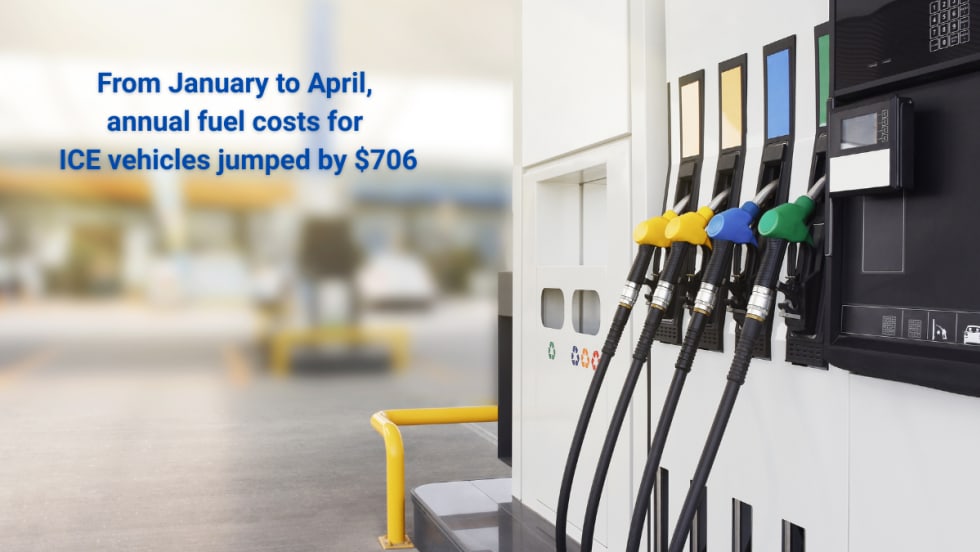
Study: How 2026's Gas Price Hikes Affect Different Vehicle Types
New data from iSeeCars reveals how rising fuel costs have affected different vehicle segments as gasoline prices climbed nearly 46% over the past four months.
Read More →
Are You Tracking Your Fleet's True Total Cost of Ownership?
Bobit Business Media surveyed 190 fleet professionals and found that while most fleets are tracking costs, fragmented systems and data gaps are keeping true TCO visibility out of reach. With rising pressure to control spend in an increasingly volatile environment, the gap between what fleets think they know and what the data actually shows is wider than you might expect. See how your peers are managing costs today and where the industry still has room to improve.
Read More →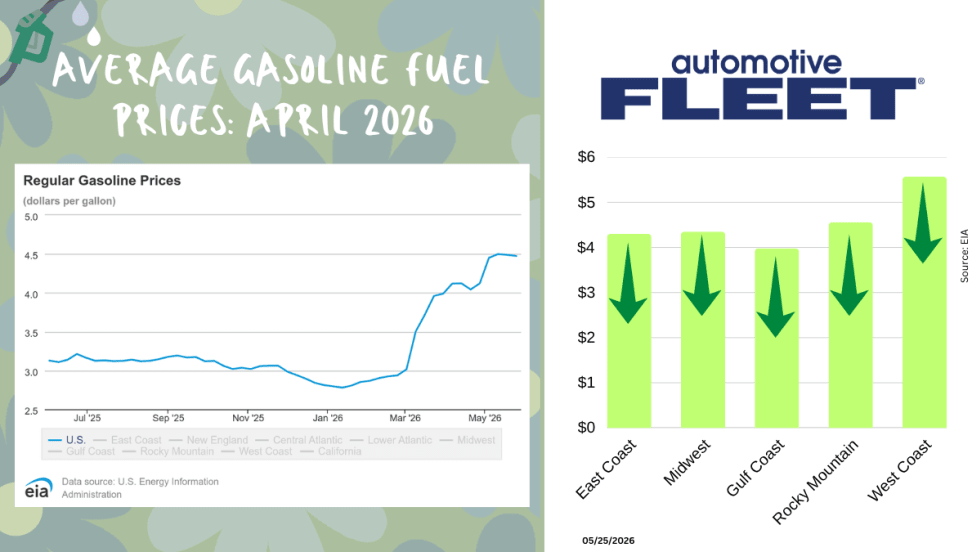
May Fuel Update: All Regions Experience Declines
Gas prices are finally easing in much of the country, but experts warn global tensions could quickly reverse the trend as the national average remains well above last month’s levels.
Read More →