




EV Prices Decline in China; Climb in the U.S. and Europe
A new report looking at the global evolution of EVs sheds insight into pricing trends over the last 10 years, noting that OEMs in Europe and the U.S. must make more affordable EV offerings to keep up with their Chinese competitors.

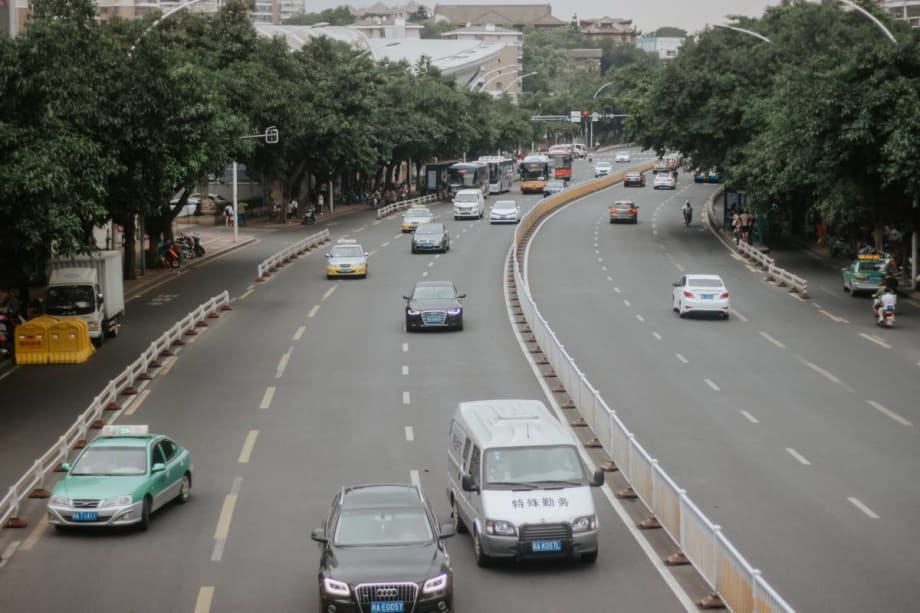
The pricing of EVs in China has fallen by almost half since 2011, whereas in the U.S. and Europe, markets are seeing a rise in price over the same time period.
Photo by Mackenzie Ryder from Pexels
On August 19, JATO Dynamics announced its latest report on the evolution of the electric vehicle (EV) markets in China, the U.S. and Europe. The report explores EV pricing over the past 10 years, as well as the impact of government incentives on growth across these markets.
While governments and policymakers have undoubtedly become increasingly influenced by environmental issues and the green agenda in recent years, analysis in the report finds that not enough is being done to produce affordable EVs across several markets.
While the pricing of EVs in China — the world’s largest market for EVs — has significantly fallen by almost half (47%) since 2011, U.S. and European markets have seen prices rise over the same period, by 38% and 28% respectively.
China’s success in producing affordable EVs comes down to a number of factors, a JATO news release says, including its government’s decision to invest heavily in the domestic market from as early as 2009. Today, consumers in China can buy a brand new EV for as little as €3,700. In contrast, the average retail price for an EV in the U.S. continues to rise faster than any other major global market and now stands at €36,200, up from €26,200 in 2011.
Average retail prices today are highest in Europe. In May 2021, EVs were on average 52% more expensive than ICE cars in the U.K., and 54% more expensive in the Netherlands. In Germany, the average retail price of an EV is €39,755 compared to €36,979 for ICE vehicles. Norway is the only exception, where the average retail price for EVs is €44,500 compared to €53,000 for ICE cars.
Government incentives have been a vital factor supporting the automotive industry to offset the price gap between traditional cars and EVs. China’s commitment to the development of affordable EVs has strengthened the market to such an extent that its government is now in the process of phasing out incentives, while OEMs in Europe and the U.S. continue to rely on such schemes to boost their sales.
In the U.S., tax credits have accelerated the growth of the premium EV market, failing to help lower income buyers purchase EVs with OEMs yet to develop a truly affordable EV offering. Prioritizing environmental action in recent years, European governments have developed a range of incentivisation schemes including tax exemptions and purchase grants with varying success across the continent. For both the U.S. and Europe, it remains to be seen if rolling back these incentives will stimulate manufacturers to take action or see them fall behind competitors in China.
“China has been hugely successful in the race of EV leadership – growing and evolving their model ranges at incredible pace, which is a positive result of a number of factors working in tandem," Ye Qi, member of Volkswagen Sustainability Advisory Council, commented. "The urgent need to combat the country’s air pollution problem, the influence of visionary and entrepreneurial leadership, and the country’s significant financial subsidies all contributed to the impressive adoption rates seen in recent years. Looking ahead, as the climate crisis climbs even higher on government agenda, it’s more likely that Western countries will start to push EVs into the mainstream, with the same determination that China has done since 2013.”
Unless OEMs in Europe and the U.S. find avenues to create more affordable EV offerings, they run the risk of losing their home market advantage to Chinese competitors, Jato says in the news release. As the popularity of SUVs has continued to grow in Western markets, the segment looks set to be an important battleground for manufacturers seeking to establish themselves as leaders within the EV market. In the short term at least, government subsidies and incentives will continue to support EV sales, but for how long remains a crucial question for the industry.
David Krajicek, CEO at JATO Dynamics, said: “Governments and manufacturers have made significant progress over the last decade in expanding the EV market, however, the industry remains under pressure as it continues to adapt to the requirements of sustainability targets and shifting market forces. The incentivisation of EVs has supported Western manufacturers seeking to expand their offering as consumer demand has evolved, however, the industry’s key players must start to address the price gap between EVs and ICE cars if they are to remain competitive with their peers in China.”
More Global Fleet

GeoFencing Adds to Your Truck Security Arsenal
Geofencing is a familiar fleet tool today, but its early adoption marked a major shift in vehicle tracking, route monitoring, and the debate over employee privacy.
Read More →
Holman Takes Full Ownership of ARIZA in Mexico
Holman is bringing its Mexican fleet management operation fully under its own brand after more than 30 years as a joint venture. The change gives multinational fleet customers a single Holman operation across the U.S., Canada, and Mexico.
Read More →
5 Tire Maintenance Tips to Help Prevent Work Truck Downtime
Regular tire checks can do more than extend tread life. These five maintenance practices can help work truck fleets catch problems early, reduce costs, and prevent downtime.
Read More →

Proven Ways to Reduce Work Truck Downtime
The age-old problem of downtime will always be a reality, but with new strategies at hand, fleets have more ways to keep trucks on the road longer.
Read More →


Cameras, Safety and Insurance: From Reactive Claims to Real-Time Prevention (Part 2 of 2)
Part Two: Commercial auto remains one of the most challenging and costly lines of coverage for fleet operators and insurers alike. Continue learning more about how to effectively address these issues from Onur Aksan, Enterprise Business Development Executive, Geotab
Read More →
Cameras, Safety and Insurance: From Reactive Claims to Real-time Prevention
Commercial auto remains one of the most challenging and costly lines of coverage for fleet operators and insurers alike. Learn more about how to effectively address these issues from Onur Aksan, Enterprise Business Development Executive, Geotab.
Read More →
Fleet Costs Are Rising: Here’s How Leaders Are Responding
Fleet leaders are under pressure to reduce costs, adapt to economic uncertainty, and make smarter decisions. See how peers across North America are responding with real data, proven strategies, and forward-looking insights. Download the 2026 Market Pulse Report to benchmark your strategy and uncover where you can gain an edge.
Read More →
Enterprise Fleet Management Surpasses 900,000 Vehicles in U.S. & Canada
Enterprise Mobility connects with mobility solutions around the globe
Read More →