




EV Initiative Hopes to Foster Global Cooperation
WASHINGTON - The International Energy Agency (IEA) hopes there will be at least 20 million electric vehicles on the road worldwide by 2020. In support of those targets, the ministers of participating nations are launching the Electric Vehicles Initiative (EVI).
WASHINGTON - The International Energy Agency (IEA) hopes there will be at least 20 million electric vehicles on the road worldwide by 2020. In support of those targets, the ministers of participating nations are launching the Electric Vehicles Initiative (EVI), which will provide a forum for global cooperation on the development and deployment of electric vehicles.
EVI commenced at the Clean Energy Ministerial in Washington, D.C., meeting July 19-20. Participating countries pledged to continue discussions through high-level roundtables organized by the IEA during the Paris Motor Show in the fall of 2010 and the Shanghai Motor Show in the spring of 2011.
Participating governments include China, France, Germany, Japan, South Africa, Spain, Sweden, the United Kingdom and the United States. Other initial partners include the International Energy Agency.
Participating countries agree to:
1. Launch a pilot cities program to promote electric vehicle demonstrations in urban areas
2. Share information on funding levels and research and development programs on electric vehicle technologies to ensure their collective investments are strategically addressing the most crucial global gaps in vehicle technology development
3. Share information on electric vehicle deployment targets, as well as best practices and policies, to enable progress toward those targets.
Electric vehicles have become a strategic focus of the automotive industry during recent years, but the technology is still nascent in the global marketplace. EVI is a government-led global initiative that will collaborate with industry, academic and end-user stakeholders to bolster electric vehicle sales.
Participating countries will establish pilot projects in several cities for the demonstration of electric vehicles in public transportation and government use. They may also share experiences from existing pilot projects. The specific technologies that will be the focus of the pilots may include hybrid electric vehicles (HEVs), plug-in hybrid electric vehicles (PHEVs), all-electric vehicles (AEVs), and fuel cell vehicles (FCVs).
[PAGEBREAK]
Each participating government will share experiences from at least one of its cities that pilots electric vehicles in the public transportation sector or in government fleets. In addition, those governments will share relevant information and data from the pilot with participating governments, manufacturers of automobiles and associated parts, power plants, and research institutes, and seek involvement from the private sector. The primary objectives of the pilot are:
1. Promoting cooperation on the research and development, demonstration and commercialization of electric vehicles
2. Sharing experience in policy, management, data analysis and publicity, etc. to support the scale-up of electric vehicles
3. Exploring universal standards for vehicle evaluation, infrastructure and communication protocols
4. Conducting analyses of the demonstrations, including cost-effectiveness assessments.
To lead off the effort, China is organizing an international forum on electric vehicle demonstration cities, as well as building a "demonstration zone" in one of its pilot cities as a platform for the pilot.
Innovation in electric vehicle systems will be crucial to deploying these technologies on a large scale. In its December 2009 Global Gaps in Clean Energy RD&D report, IEA identified electric vehicles as the clean energy category for which the gap between innovation needs and public research, development and demonstration (RD&D) investment is most severe. In this context, ministers participating in EVI will share information on public investment levels in RD&D for electric vehicles in order to maximize the innovation benefits from scarce RD&D investment.
Ministers will also look for opportunities for strategic RD&D cooperation to spur progress in the global electric vehicles industry through, for example, focusing on the most critical global gaps and encouraging joint research where appropriate. These efforts will help catalyze the technological innovation that will be critical to achieving participating countries' deployment targets.
As sales and production targets for electric vehicles are established and pursued, governments will work together. They will involve the private sector and other stakeholders, as appropriate, in order to learn from others' successes and failures. They will also address universal issues that affect the deployment of electric vehicles.
For example, sharing information on targets may help governments to understand how their plans relate to those of other countries, which will help them to anticipate, and thereby hopefully avoid, supply-side shortages. In addition, there is also the need for a dialogue on the interconnection of electric vehicles, which would likely involve reaching out to the International Smart Grid Action Network (ISGAN), which was also launched at the Clean Energy Ministerial.
More generally, EVI will lead discussions to enable countries to identify and adopt best-practice deployment policies and programs that help them to cost effectively reach their own respective targets.
The initiative will be implemented and coordinated through an advisory group with representatives from each participating country, as well as from the IEA. EVI will explore opportunities to build upon existing international initiatives.
More Green Fleet
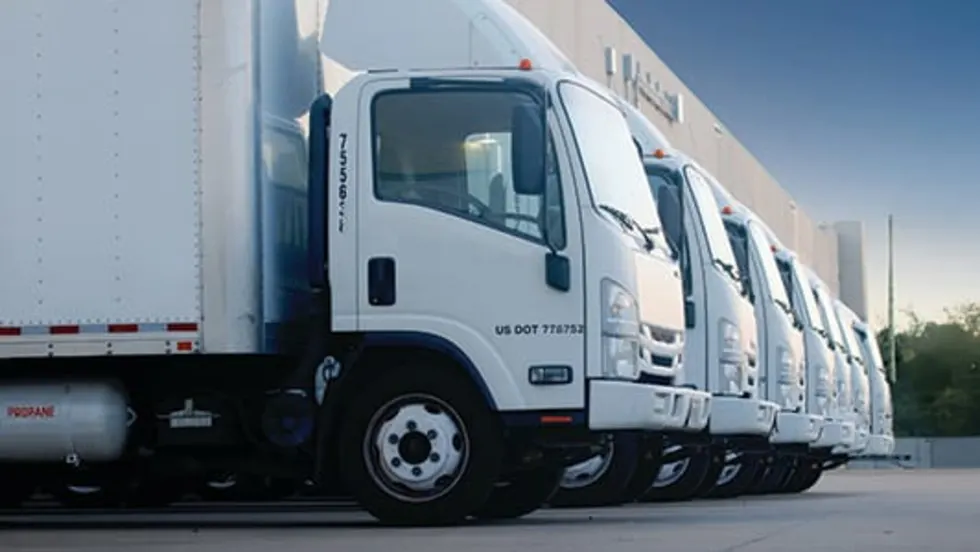
New Propane Autogas Program Offers Fleet Compensation
Qualified commercial fleets can receive $7,500 per eligible propane autogas vehicle and up to $10,000 for new refueling site prep. Learn how the program works and see whether your fleet qualifies.
Read More →
EV Charging Use Is Outpacing Infrastructure Growth
ChargePoint’s 2026 Charging Forward Report points to rising charger use, higher-powered charging, commercial vehicle electrification, and energy-management technology. Here’s what fleets should know.
Read More →
Merchants Fleet Reports 290M EV Miles as Fleets Navigate Changing Electrification Market
From millions in operating savings to hundreds of millions of EV miles, Merchants Fleet’s latest report reveals what’s working and what’s changing in fleet electrification.
Read More →
The EV Breakdown Nobody's Talking About: Why Most Electric Vehicle Roadside Calls Aren't Mechanical Failures
Here's why EV breakdowns are widely misunderstood.
Read More →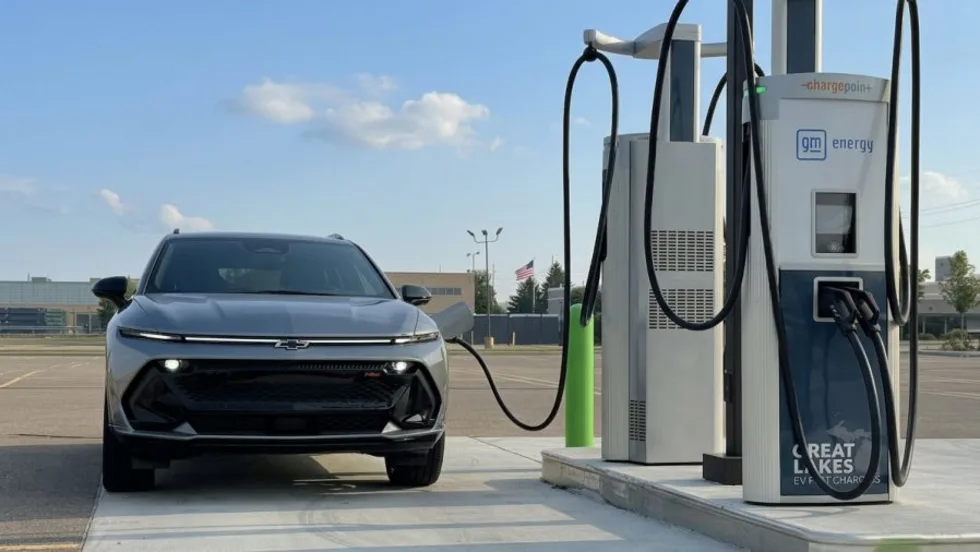
ChargePoint Now Available in Energy Pass
ChargePoint and additional planned charging network integrations were added to GM's Energy Pass.
Read More →

First Look: Slate Auto's Electric Fleet Pickup
Could an affordable, modular EV pickup make electrification more practical for fleets?
Read More →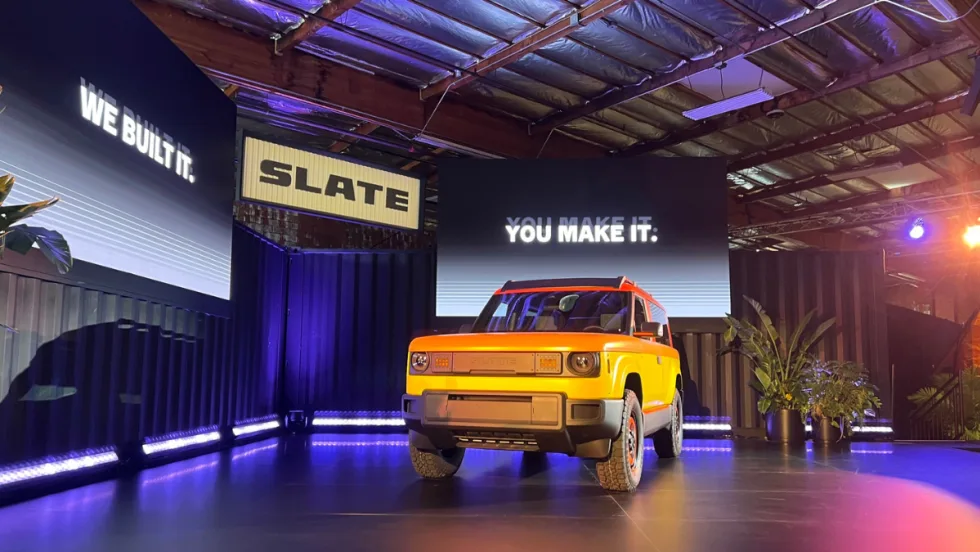
Slate Debuts Colorful, Unique EV Models
A recent media and client event, studded with electric vehicles dressed up on platforms, planted a new position for the manufacturer in the wider EV market. Fleets will find cost-saving advantages.
Read More →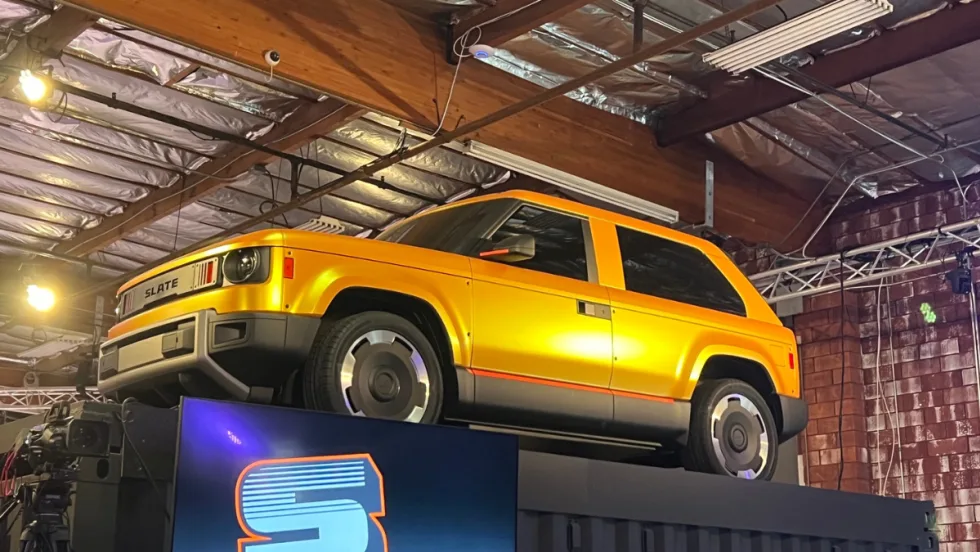
Slate Electric SUV, Pickup Switchable Model Aims For Light-Duty Fleets
Everything about this EV is counterintuitive and understated, making it stand out from the crowd.
Read More →
Inspiration Mobility Acquires Key Electrada Assets
Inspiration Mobility Group has acquired select assets of Electrada, adding the fleet electrification provider's team, technology, and charging infrastructure development capabilities to its energy management business.
Read More →