





Related: Corporate Fleet Electric Vehicle Acquisition Strategies
EV Battery Development to Drive Adoption
Overall vehicle costs and perceptions of battery lifespan regarding battery-electric vehicles are some of the biggest barriers to EV adoption for dealers and consumers according to a report by Cox Automotive on the path to EV adoption, which also reflects trending fleet perceptions of the segment.
August 19, 2019
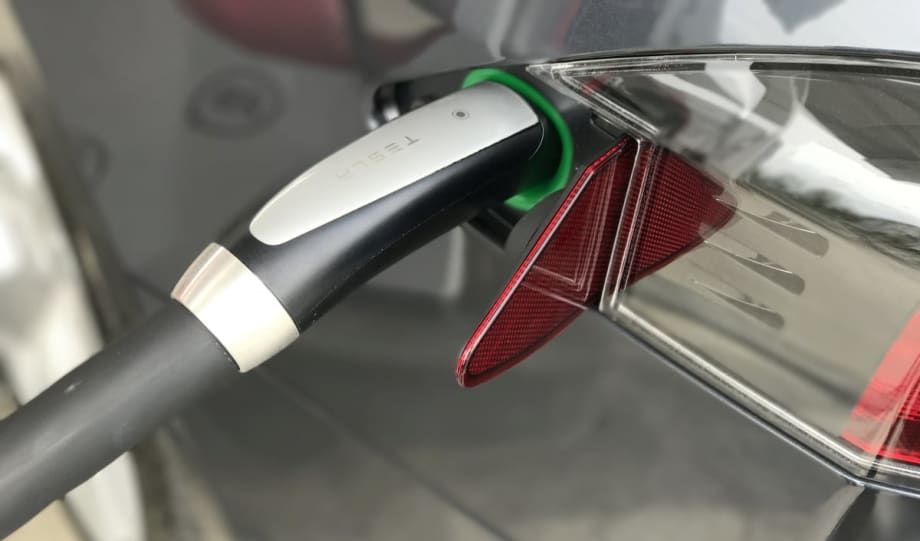
Other points in the study included the observation that Tesla leads all other brands in terms of EV awareness.
Photo by Eric Gandarilla.
3 min to read
Overall vehicle costs and perceptions of battery lifespan regarding battery-electric vehicles are some of the biggest barriers to EV adoption for dealers and consumers according to a report by Cox Automotive on the path to EV adoption, which also reflects trending fleet perceptions of the segment.
Costs that are associated with battery replacement may cause concerns around perceptions of the average lifespan of an EV battery, the survey found. Resistance by fleets to acquire more EVs is also rooted partly in concerns of battery life. The survey found those who are considering an EV expect the vehicles to have a battery life of 6.9 years, and those who already own an EV believe they'll last for an average of 7.2 years. Also, more than half of EV owners bought extended warranties for their vehicles.
An industry panel from Automotive Fleet earlier this year observed that the future of electric vehicles among fleets will be primarily reliant on the pace that battery technology is able to advance at and that battery reliability also needs to be improved.
As the cost of batteries goes down, the cost of the vehicles will also go down, Chris Clarke, ARI's manager of North American remarketing, said at the panel.
Because the mileage of EVs has continued to grow over the years, range has become less of a concern while the infrastructure to support charring stations is a priority, according to the study. Those who participated in that study that are considering EVs said there is a clear need for more charging stations; 68% of respondents said there are too few charging stations in living areas, and 63% said there were too few located in works areas.
The perceptions of fleet also fit into this area, since the prevalence or lack of charging infrastructure is a key factor to acquiring BEVs above and beyond cost considerations, according to recent report from Fleet Forward that compared how TCO for EVs and plug-in hybrid electric vehicle models stacked up against each other and against a selection of comparable models with internal combustion engines (ICE).
The main objectives of the survey where to explore the gaps between perceptions of EVs versus current realities in the U.S.; better understand EV shopping experiences; and examine areas deals need to advance EV adoption. The survey was mixed between 2,503 consumers and 308 franchise dealers.
Other points in the study included the observation that Tesla leads all other brands in terms of EV awareness, and perceptions of EV costs when compared with an ICE. It also observed that dealers do not feel a sense of urgency to sell EVs due to lack of inventory levels, perceived profits, and OEM support, but that they also need to be more education on the segment as a whole.
More Green Fleet
Sponsored•October 1, 2026
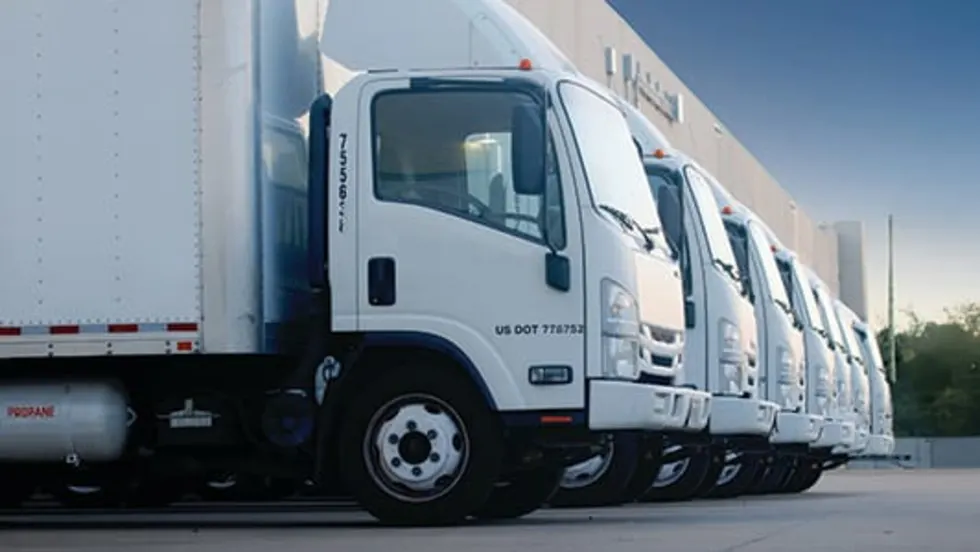
New Propane Autogas Program Offers Fleet Compensation
Qualified commercial fleets can receive $7,500 per eligible propane autogas vehicle and up to $10,000 for new refueling site prep. Learn how the program works and see whether your fleet qualifies.
Read More →
EV Charging Use Is Outpacing Infrastructure Growth
ChargePoint’s 2026 Charging Forward Report points to rising charger use, higher-powered charging, commercial vehicle electrification, and energy-management technology. Here’s what fleets should know.
Read More →
Merchants Fleet Reports 290M EV Miles as Fleets Navigate Changing Electrification Market
From millions in operating savings to hundreds of millions of EV miles, Merchants Fleet’s latest report reveals what’s working and what’s changing in fleet electrification.
Read More →
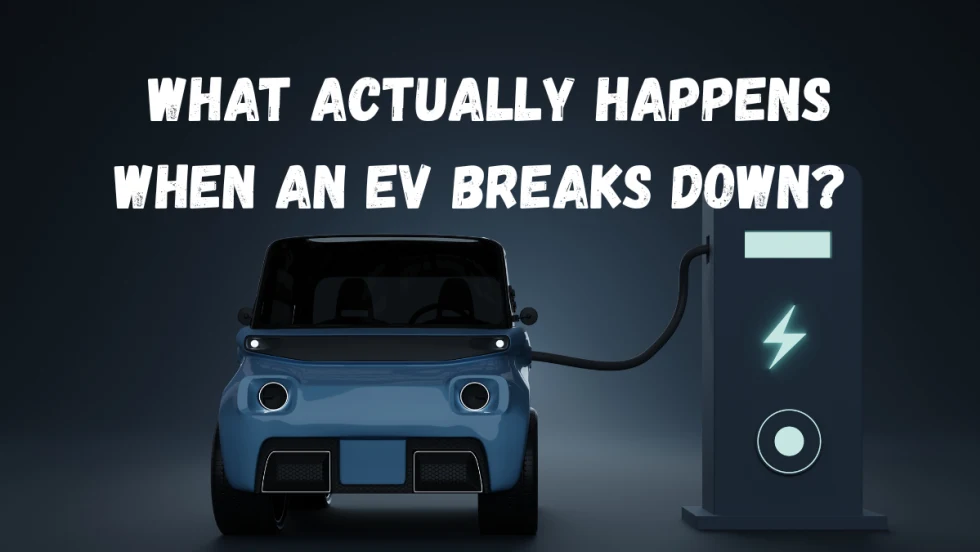
The EV Breakdown Nobody's Talking About: Why Most Electric Vehicle Roadside Calls Aren't Mechanical Failures
Here's why EV breakdowns are widely misunderstood.
Read More →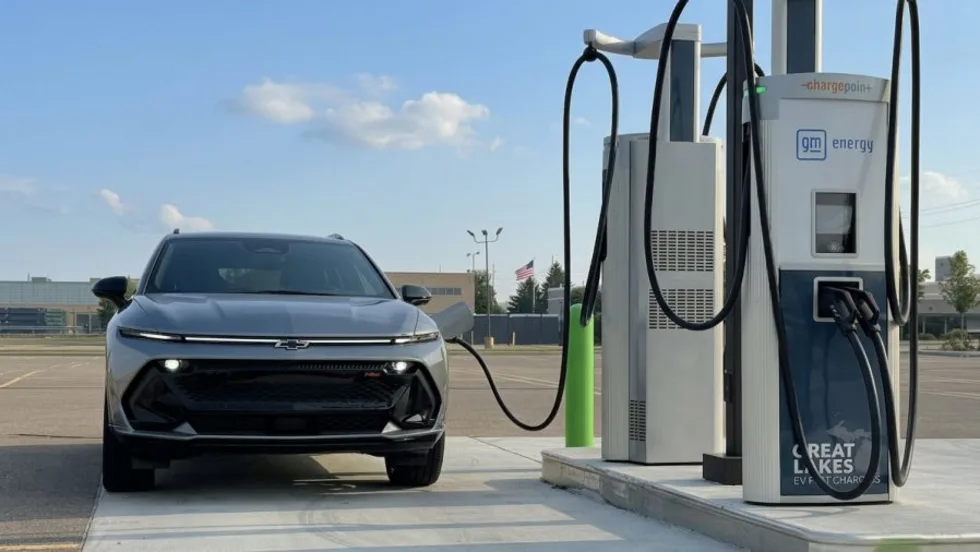
ChargePoint Now Available in Energy Pass
ChargePoint and additional planned charging network integrations were added to GM's Energy Pass.
Read More →

First Look: Slate Auto's Electric Fleet Pickup
Could an affordable, modular EV pickup make electrification more practical for fleets?
Read More →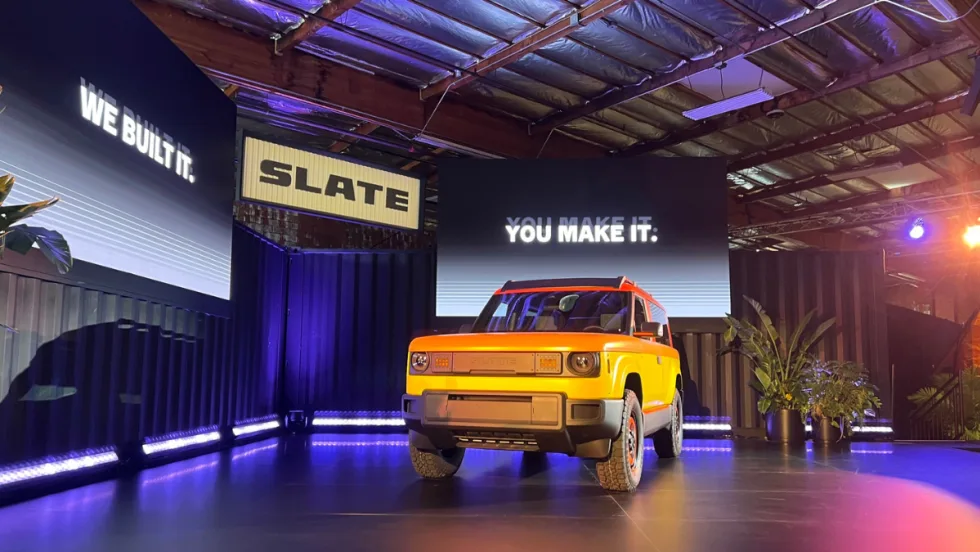
Slate Debuts Colorful, Unique EV Models
A recent media and client event, studded with electric vehicles dressed up on platforms, planted a new position for the manufacturer in the wider EV market. Fleets will find cost-saving advantages.
Read More →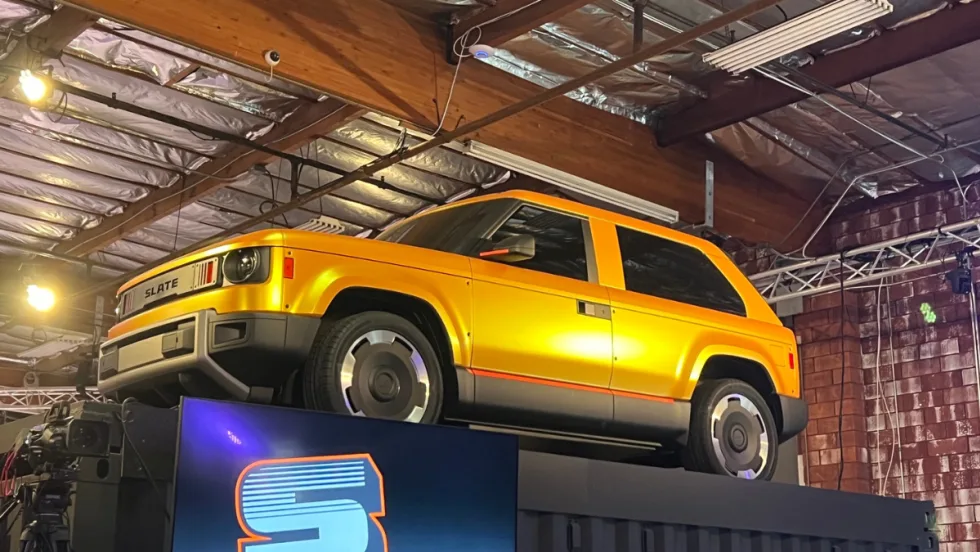
Slate Electric SUV, Pickup Switchable Model Aims For Light-Duty Fleets
Everything about this EV is counterintuitive and understated, making it stand out from the crowd.
Read More →
Inspiration Mobility Acquires Key Electrada Assets
Inspiration Mobility Group has acquired select assets of Electrada, adding the fleet electrification provider's team, technology, and charging infrastructure development capabilities to its energy management business.
Read More →