




European Parliament Approves EV-Charging Infrastructure Plan
To help the EU become climate neutral, the European Parliament wants a network of car-recharging stations every 60 km (37 miles) and hydrogen refueling stations every 100 km (62 miles).

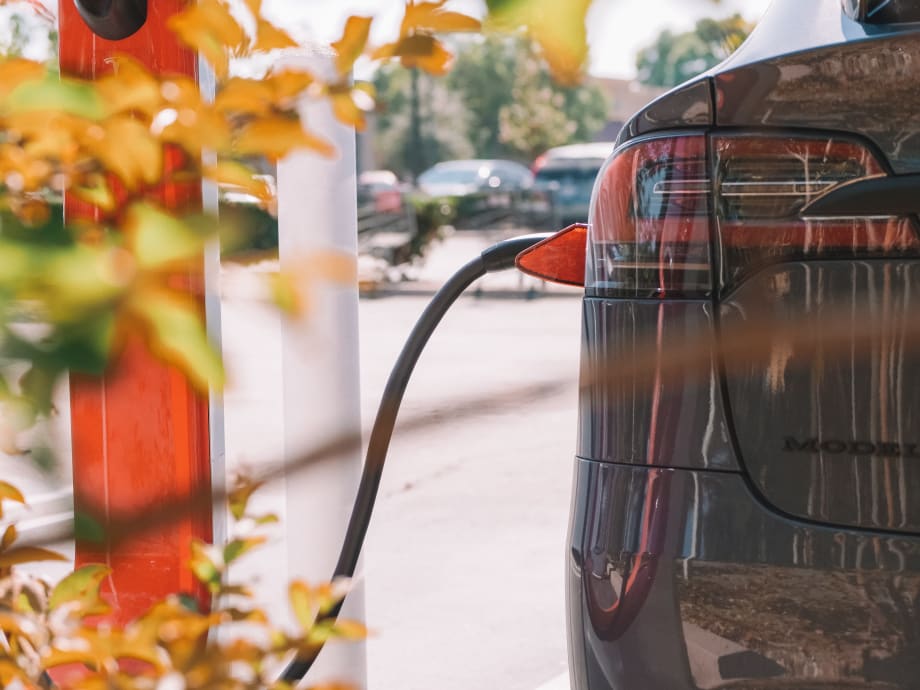
The European Parliament recently approved the Alternative Fuels Infrastructure Regulation, setting minimum mandatory national targets for deployment of alternative fuels infrastructure.
Photo: Kindel Media
To help the EU become climate neutral, the European Parliament wants a network of car-recharging stations every 60 km (37 miles) and hydrogen refueling stations every 100 km (62 miles).
The body recently approved the Alternative Fuels Infrastructure Regulation (AFIR), setting minimum mandatory national targets for deployment of alternative fuels infrastructure.
The measure is part of the Parliament’s “Fit for 55 in 2030” plan to reduce greenhouse gas emissions by at least 55% by 2030 compared to 1990 levels .EU member states must present their plan to meet the infrastructure goals by 2024.
According to the adopted text, by 2026 there should be at least one electric charging pool for cars every 60 km along main EU roads. The same requirement would apply for trucks and buses, but only on core TEN-T networks and with more powerful stations. Some exemptions will be allowed for outermost regions, islands and roads with very little traffic.
Parliament members also suggest setting up more hydrogen refueling stations along main EU roads faster – by 2028 instead of by 2031 as the European Commission had originally recommended.
“At the moment we have 377 000 charging stations in the EU, but this is half the amount that should have been achieved had EU countries lived up to their promises. We need to tackle this decarbonization bottleneck and quickly roll out the alternative fuels infrastructure to save the Green Deal,” said Ismail Ertug, the Parliament’s report representer on alternative fuels infrastructure.
Parliament members also approved other improvements to AFIR, including an increase in the required power output for light- and heavy-duty vehicle chargers, a faster roll-out of hydrogen filling stations, and more transparency and convenience for consumers.
While welcoming the new infrastructure targets, the European Automobile Manufacturers Association (ACEA), expressed regret at the measure’s scope. “Even with these strengthened targets, AFIR will only provide a minimum network of infrastructure, which will have to be complemented by private sector initiatives,” said ACEA Director General, Sigrid de Vries.
The industry group recommends, “EU policy makers should support this by de-risking investments and speeding up permitting and planning procedures, including for grid upgrades.”
Parliament will now begin negotiations with member states to implement the new infrastructure goals.
More Global Fleet
GeoFencing Adds to Your Truck Security Arsenal
Geofencing is a familiar fleet tool today, but its early adoption marked a major shift in vehicle tracking, route monitoring, and the debate over employee privacy.
Read More →
Holman Takes Full Ownership of ARIZA in Mexico
Holman is bringing its Mexican fleet management operation fully under its own brand after more than 30 years as a joint venture. The change gives multinational fleet customers a single Holman operation across the U.S., Canada, and Mexico.
Read More →
5 Tire Maintenance Tips to Help Prevent Work Truck Downtime
Regular tire checks can do more than extend tread life. These five maintenance practices can help work truck fleets catch problems early, reduce costs, and prevent downtime.
Read More →

Proven Ways to Reduce Work Truck Downtime
The age-old problem of downtime will always be a reality, but with new strategies at hand, fleets have more ways to keep trucks on the road longer.
Read More →


Cameras, Safety and Insurance: From Reactive Claims to Real-Time Prevention (Part 2 of 2)
Part Two: Commercial auto remains one of the most challenging and costly lines of coverage for fleet operators and insurers alike. Continue learning more about how to effectively address these issues from Onur Aksan, Enterprise Business Development Executive, Geotab
Read More →
Cameras, Safety and Insurance: From Reactive Claims to Real-time Prevention
Commercial auto remains one of the most challenging and costly lines of coverage for fleet operators and insurers alike. Learn more about how to effectively address these issues from Onur Aksan, Enterprise Business Development Executive, Geotab.
Read More →
Fleet Costs Are Rising: Here’s How Leaders Are Responding
Fleet leaders are under pressure to reduce costs, adapt to economic uncertainty, and make smarter decisions. See how peers across North America are responding with real data, proven strategies, and forward-looking insights. Download the 2026 Market Pulse Report to benchmark your strategy and uncover where you can gain an edge.
Read More →
Enterprise Fleet Management Surpasses 900,000 Vehicles in U.S. & Canada
Enterprise Mobility connects with mobility solutions around the globe
Read More →